

Renovating a Meth-Affected Property in NZ 9 Essential Checks Before You Start
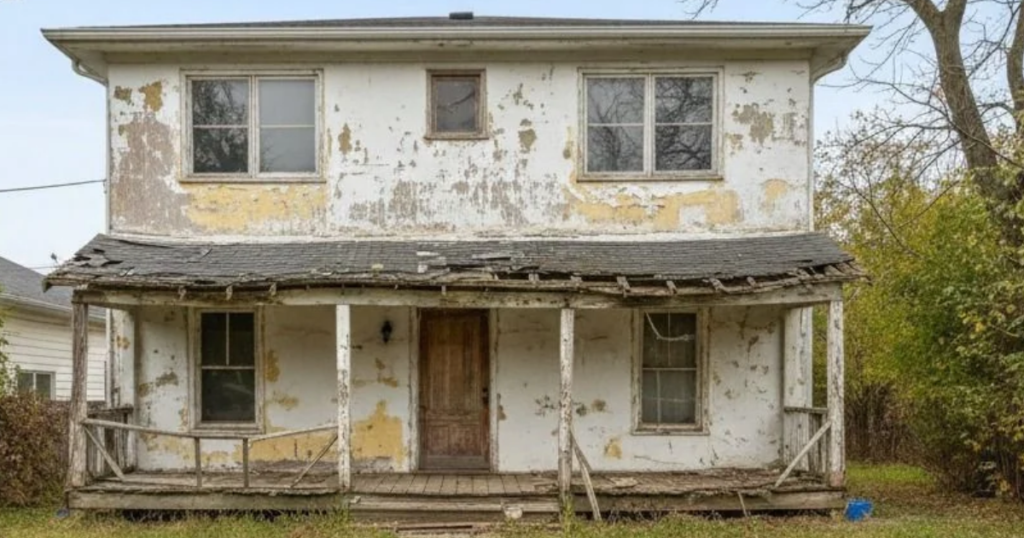
Renovating a property can improve its value, comfort and appearance, but what happens when the building has a history of methamphetamine contamination? Before picking up a paintbrush or removing old flooring, property owners should understand the risks and complete the right checks. A meth contaminated property renovation requires more planning than an ordinary renovation because methamphetamine residue can remain on walls, ceilings, carpets, floors, ventilation systems and other surfaces. For homeowners, landlords, property investors and renovators across New Zealand, identifying contamination early can help prevent unnecessary costs, protect contractors and reduce the risk of spreading residue during building work. A property may look clean and ready for renovation while still containing methamphetamine residue that requires professional assessment. If you are planning a meth contaminated property renovation, here are nine essential checks to complete before starting work. Why Should You Check for Meth Contamination Before Renovating? The first step in any meth contaminated property renovation is understanding the property’s contamination history. Methamphetamine use or manufacturing can leave residue on different surfaces throughout a building. Unlike mould or water damage, this residue is not always visible. Fresh paint, new flooring or general cleaning will not prove that a property is free from contamination. Renovation work can also disturb contaminated materials. Removing wallpaper, sanding walls, pulling up carpets or replacing ceiling panels may spread residue to other surfaces if you do not manage the work properly. This is why property owners should arrange appropriate meth contamination testing before starting major renovation work. Here are nine important checks to complete before your renovation begins. 1. Check the Property’s History and Previous Meth Contamination Reports Start by finding out what happened inside the property before planning any renovation work. A property’s previous use can provide useful information about possible contamination. This is particularly important when buying an older rental property, an investment home or a building with an unknown occupancy history. Ask the previous owner, property manager or real estate agent whether they have information about: If the property has undergone meth decontamination before, request copies of the original testing reports and the final results. Why does this matter? Previous cleaning does not automatically mean the property is suitable for renovation. A report can help you understand which rooms were affected, what treatment took place and whether further assessment is necessary. If you are unsure about possible warning signs, read our guide on Signs Your Property May Need Professional Meth Decontamination Services. 2. Arrange Professional Meth Contamination Testing Before Starting Work Never assume that a property is clean simply because it looks well maintained. Professional testing is one of the most important steps in a meth contaminated property renovation. It helps establish whether methamphetamine residue is present and identifies areas that may need further investigation. Testing before renovation is particularly useful because it creates a clearer picture of the property’s condition before contractors remove or replace building materials. Depending on the property’s history and circumstances, the assessment may involve: For rental properties, New Zealand’s 2026 regulations also specify when landlords must arrange detailed testing. This includes situations where Police or a local authority advises that methamphetamine manufacture has or is likely to have occurred, or where a valid screening assessment indicates contamination above the prescribed level. You can read the official Tenancy Services guidelines on meth contamination to understand the requirements. Why should testing happen before demolition? If contractors start removing flooring, plasterboard or other materials before testing, they may disturb contaminated surfaces and make it harder to understand the property’s original condition. A professional assessment gives you better information before deciding how to approach the renovation. 3. Understand New Zealand’s Meth Contamination Levels Knowing the applicable contamination thresholds helps you make informed renovation decisions. New Zealand introduced the Residential Tenancies (Managing Methamphetamine Contamination) Regulations 2026, which came into force on 16 April 2026. These regulations establish two important thresholds for residential tenancy properties. Meth residue level What it means Up to 15 µg/100 cm² At or below the maximum acceptable level Above 15 µg/100 cm² Contaminated under the regulations Above 30 µg/100 cm² Above the maximum inhabitable level under the regulations Under these rules, affected areas with meth residue above 15 µg/100 cm² must be decontaminated to 15 µg/100 cm² or less. A result above 30 µg/100 cm² has additional implications for rental property habitability and tenancy termination, subject to the applicable legal provisions and exceptions. An important distinction for property owners: These statutory thresholds relate to residential tenancy requirements. They should not automatically be treated as a universal legal rule for every privately owned renovation or commercial building. For the exact legal wording, refer to the Residential Tenancies (Managing Methamphetamine Contamination) Regulations 2026. You can also read our detailed guide on 15 vs 30 µg Understanding NZ Meth Contamination Levels. Why does this matter before renovation? Understanding the results helps property owners determine whether they need further testing, professional decontamination or additional advice before proceeding with building work. 4. Identify All Potentially Affected Areas and Building Materials A meth contaminated property renovation should never focus on visible damage alone. Methamphetamine residue can settle on many surfaces, and different materials may require different treatment methods. During the assessment, pay attention to the following areas: Walls and Ceilings Painted walls, plasterboard, ceiling panels and other surfaces may hold methamphetamine residue. Repainting or installing new plasterboard without addressing confirmed contamination may simply cover the problem. Floors and Carpets Carpets, underlay, wooden floors, tiles and other flooring materials may require assessment. The correct approach depends on the contamination results and the type of material. Kitchens and Bathrooms Cabinets, benchtops, cupboards, splashbacks and bathroom fittings can collect surface residue. Check these areas before removing or replacing fixtures. Doors, Windows and Fixtures Door handles, window frames, skirting boards, light switches and other frequently touched surfaces should also form part of the assessment. Soft Furnishings Curtains, mattresses, couches and other fabric-based items may require separate consideration. Some materials may be suitable for treatment, while others may need removal. Why
15 vs 30 µg: Understanding NZ Meth Contamination Levels
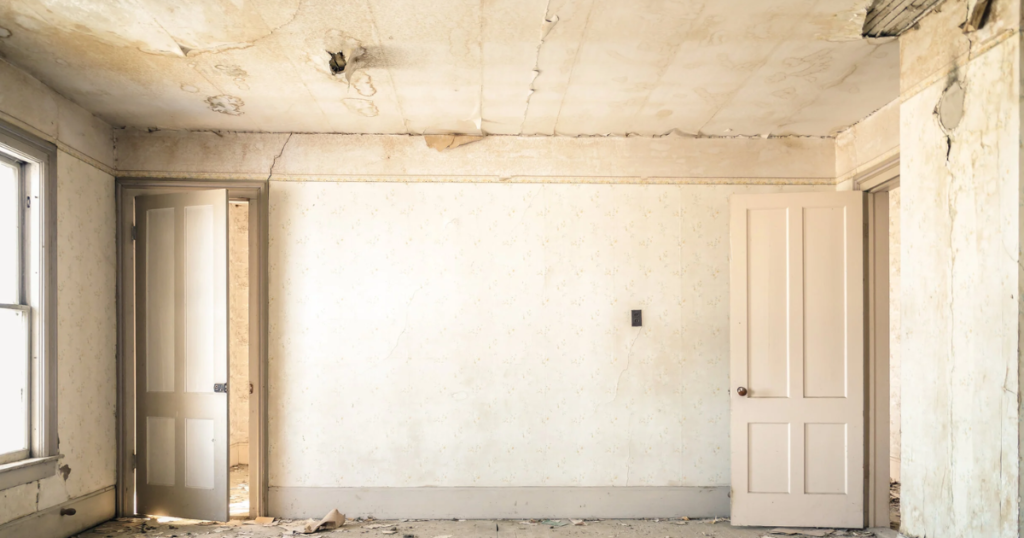
Meth contamination can be difficult to understand, especially when a test report shows a number such as 15 µg/100 cm² or 30 µg/100 cm². What do these numbers actually mean? Does a result below 30 mean the property is acceptable? What happens when a result is above 15? And why are there two different meth contamination levels under New Zealand’s 2026 residential tenancy rules? Understanding these levels is important for landlords, tenants, property managers, homeowners and anyone dealing with a property that may have been affected by methamphetamine. Under the Residential Tenancies (Managing Methamphetamine Contamination) Regulations 2026, two important thresholds apply: These two numbers have different legal meanings and should not be treated as interchangeable. For the latest requirements, see the official Tenancy Services guidance on meth contamination and the Residential Tenancies (Managing Methamphetamine Contamination) Regulations 2026. What Are the New Zealand Meth Contamination Levels? The Residential Tenancies (Managing Methamphetamine Contamination) Regulations 2026 came into force on 16 April 2026. The regulations set the maximum acceptable level of methamphetamine residue at 15 µg/100 cm² for residential tenancy premises. They also set the maximum inhabitable level at 30 µg/100 cm². This means a test result needs to be interpreted carefully. A result between 15 and 30 is different from a result above 30. For landlords and property managers, understanding this difference can help them take the correct next step instead of relying on a simple positive or negative test result. What Does 15 µg/100 cm² Mean? 15 µg/100 cm² Is the Maximum Acceptable Level Under the 2026 regulations, premises are considered contaminated for residential tenancy purposes when methamphetamine residue is found above 15 µg/100 cm². Areas above this level must be decontaminated according to the prescribed process. For example: Test result Interpretation 5 µg/100 cm² Below the maximum acceptable level 12 µg/100 cm² Below the maximum acceptable level 15 µg/100 cm² At the maximum acceptable level 18 µg/100 cm² Above the maximum acceptable level 25 µg/100 cm² Above the maximum acceptable level 30 µg/100 cm² At the maximum inhabitable level 35 µg/100 cm² Above the maximum inhabitable level The key point is that 15 µg/100 cm² is the maximum acceptable level under the current residential tenancy rules. It is not correct to say that a result of 20 or 25 is acceptable simply because it is below 30. What Does 30 µg/100 cm² Mean? 30 µg/100 cm² Is the Maximum Inhabitable Level The second important number is 30 µg/100 cm². Under the 2026 regulations, 30 µg/100 cm² is the maximum inhabitable level for residential tenancy premises. If testing establishes contamination above this level in any part of the premises, the special tenancy termination rules under section 59B of the Residential Tenancies Act may apply, subject to the circumstances and relevant exceptions. This is different from the 15 µg contamination threshold. A result above 30 does not simply mean “the contamination is twice as bad”. It crosses a different legal threshold relating to whether the premises can be considered inhabitable for residential tenancy purposes. This distinction is particularly important when landlords and tenants are deciding how to manage an affected rental property. 15 vs 30 µg: What Is the Difference? The easiest way to understand the two meth contamination levels is this: Above 15 µg/100 cm² The affected area is considered contaminated for residential tenancy purposes. The area must be decontaminated according to the prescribed process until testing confirms the required level has been achieved. Between 15 and 30 µg/100 cm² This is an important middle range. For example, a result of 22 µg/100 cm² is: So below 30 does not mean no action is required. The two thresholds answer different legal questions: 15 µg/100 cm²:Is the meth residue above the maximum acceptable level? 30 µg/100 cm²:Has the residue exceeded the maximum inhabitable level for the purposes of the residential tenancy rules? These should not be confused. Does a 20 µg Result Mean the Property Is Acceptable? No. A result of 20 µg/100 cm² is below the 30 µg maximum inhabitable level, but it is still above the 15 µg maximum acceptable level. For residential tenancy premises, the affected area therefore remains contaminated under the regulations and is subject to the applicable decontamination requirements. This is one of the most important points to understand when reading meth testing results. For example: 20 µg/100 cm² = above the maximum acceptable level, but below the maximum inhabitable level. That does not make the result acceptable. Are Meth Contamination Levels Measured Across the Whole House? Not necessarily. The regulations define contamination by reference to methamphetamine being present in any part of the premises above the prescribed maximum acceptable level. For example, imagine a three-bedroom rental property where testing produces these results: The bedroom is above the 15 µg/100 cm² maximum acceptable level. The other tested areas are below it. This does not automatically mean every room has the same contamination level or requires the same treatment. A detailed meth contamination assessment can help identify where contamination is present and what areas require decontamination. If you are concerned about possible contamination, you can also explore the Kiwi Meth Xpert meth testing products and resources. What Happens When a Property Tests Above 15 µg? When testing establishes contamination above the applicable maximum acceptable level, the affected areas need to be decontaminated. The 2026 regulations require the prescribed testing and decontamination process to follow NZS 8510:2017, with the modifications set out in the regulations. Tenancy Services confirms that screening assessments, detailed testing and decontamination must follow the applicable standard and regulatory modifications. The aim is not simply to make the property look clean. The important question is whether the affected area has been properly decontaminated and subsequently tested. This is why property owners should keep testing results and remediation records rather than relying on photographs or ordinary cleaning receipts alone. For properties requiring professional remediation, Kiwi Meth Xpert’s meth house decontamination services can assist with professional meth contamination cleaning and decontamination. What Happens After Meth Decontamination? Decontamination