

Meth Clearance Testing NZ: 7 Essential Steps After Decontamination
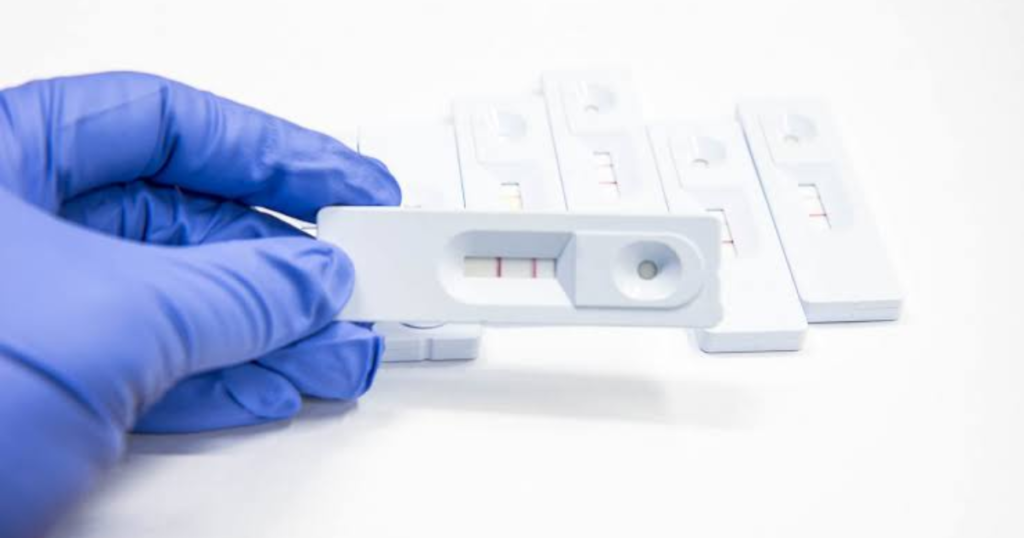
Cleaning a meth-contaminated property is only part of the process. Meth clearance testing is the important next step that helps confirm whether the decontamination work has achieved the required result. A property can look clean after professional cleaning, but appearance alone does not prove that meth residue has been removed. Proper post-decontamination testing checks the affected areas and determines whether residue levels are still above the applicable limit. For rental properties in New Zealand, the 2026 regulations require post-decontamination detailed testing by a qualified professional. The person carrying out this testing must be different from the person who completed the decontamination work. If you have recently completed meth decontamination, this guide explains what happens next, what meth clearance testing involves and what happens if the property does not pass the follow-up test. What Is Meth Clearance Testing? Meth clearance testing is the detailed testing carried out after meth decontamination to check whether methamphetamine residue has been reduced to the required level. The purpose is simple: Clean → Test → Review results → Remediate again if needed For rental properties, the current maximum acceptable meth residue level is 15 µg/100 cm². If testing shows levels are still above this amount, additional decontamination and detailed testing are required. This means clearance testing is not simply another quick swab. It is a formal part of the post-decontamination process for properties covered by the current rental-property regulations. Why Is Meth Clearance Testing Important? Meth clearance testing provides evidence about the condition of the property after cleaning. Meth residue can be difficult to see. Walls, floors and other surfaces may look completely clean while laboratory testing can still identify residue. That is why simply saying “the house has been cleaned” is not enough. Proper post-decontamination testing can help establish whether: Tenancy Services specifically states that after decontamination, detailed testing must be carried out again by a qualified professional. 7 Essential Steps After Decontamination Once cleaning is complete, the next stage should follow a structured process. 1. Finish the Decontamination Work Before meth clearance testing takes place, the planned decontamination work needs to be completed. This may include cleaning affected hard surfaces, treating suitable soft furnishings and dealing with materials that cannot be effectively decontaminated. For rental properties, Tenancy Services states that contaminated areas above 15 µg/100 cm² must be decontaminated until residue levels are at or below that level. The cleaning process should be based on the actual contamination findings rather than simply cleaning the entire property without an assessment. For more information, see our guide to professional meth house decontamination services. 2. Allow the Property to Be Properly Prepared for Testing After cleaning, the property needs to be ready for the testing process. The testing professional should have access to the areas that were previously identified as contaminated or that require post-decontamination verification. Good preparation helps avoid unnecessary delays and makes it easier to compare the post-cleaning results with the original contamination findings. Property owners should also keep the original test report available. This gives the testing professional useful information about: 3. Arrange Qualified Post-Decontamination Testing This is the key stage of meth clearance testing. For rental properties, Tenancy Services states that post-decontamination detailed testing must be completed by a qualified professional. The tester must not be the same person who carried out the decontamination work. This separation is important because the person verifying the result should be independent from the person who completed the cleaning. The testing process should follow the applicable requirements of NZS 8510:2017, as modified by the Residential Tenancies (Managing Methamphetamine Contamination) Regulations 2026. What Does Meth Clearance Testing Check? Meth clearance testing checks whether meth residue remains in the tested areas after cleaning. The tester may take samples from relevant surfaces based on the property’s contamination history and the testing requirements. The results can then be compared with the applicable maximum acceptable level. For rental properties, the current maximum acceptable level is: 15 µg/100 cm² If results are at or below this level, the affected area meets the current maximum acceptable residue level for the rental-property regulations. If results remain above 15 µg/100 cm², further decontamination and detailed testing are required. 4. The Samples Are Analysed After samples are collected, they are analysed using the appropriate testing process. The purpose is to determine how much methamphetamine residue remains on the tested surfaces. This is where meth clearance testing becomes more than a visual inspection. A property owner might look at freshly cleaned walls and think everything is fine. However, testing provides measurable evidence rather than relying on appearance. The results should be reviewed alongside the original contamination report and the decontamination work completed. 5. Review the Meth Clearance Testing Results Once the results are available, they need to be interpreted correctly. There are generally two important outcomes for a rental property. Results Are 15 µg/100 cm² or Less If the relevant results are at or below the current maximum acceptable level, the post-decontamination testing has confirmed that the tested areas are no longer above the applicable contamination threshold. Results Are Above 15 µg/100 cm² If results remain above 15 µg/100 cm², the property has not achieved the required decontamination outcome for the affected area. Further decontamination is required, followed by another round of detailed testing. This is why meth clearance testing should not be treated as a box-ticking exercise. The results determine what happens next. 6. Complete More Decontamination If Required Sometimes the first cleaning process does not remove enough residue. This can happen because meth residue may be present on different materials or in areas that are more difficult to clean. If post-decontamination meth clearance testing identifies levels above the applicable limit, further remediation may be required. The process then becomes: Additional cleaning → further testing → review results Tenancy Services confirms that if meth residue remains above 15 µg/100 cm², additional rounds of decontamination and detailed testing must take place for affected rental properties. This does not necessarily mean the entire property needs to be cleaned
Positive Meth Test NZ: 7 Essential Steps Property Owners Must Take

A positive meth test can be worrying for any New Zealand property owner, especially if you are unsure what to do next. The good news is that a positive result does not automatically mean the entire property needs to be stripped out or rebuilt. The right next step depends on the type of property, the test method used, the contamination level, the affected areas and whether the property is a rental. For rental properties, New Zealand’s 2026 regulations provide specific requirements for testing, decontamination and managing contaminated areas. If you have received a positive meth test, the most important thing is to avoid rushing into cleaning or disposal. First understand the result, then arrange the appropriate professional assessment and remediation process. What Does a Positive Meth Test Mean? A positive meth test means testing has detected methamphetamine residue at the property. Methamphetamine residue can be left behind after meth has been used or manufactured inside a building. The residue may settle on walls, ceilings, floors, carpets, furniture, curtains, ventilation systems and other surfaces. A positive result does not necessarily mean every part of the property is contaminated. The level of contamination and where it was detected are important. For rental properties, the current 2026 framework treats areas above 15 µg/100 cm² as contaminated, while an area above 30 µg/100 cm² can make a property uninhabitable under the regulations, subject to the circumstances set out in the law. This is why you should not make decisions based only on the words “positive” or “failed”. Positive Meth Test: 7 Essential Steps Property Owners Must Take Getting a positive meth test can feel overwhelming, but breaking the process into clear steps makes it easier to manage. 1. Do Not Panic After a Positive Meth Test The first step after a positive meth test is to stay calm and review the actual test report. A positive result does not automatically mean the whole house is unsafe or that everything inside needs to be removed. Check: The answers will help determine what should happen next. For more information about why testing matters, see our guide on how meth contamination testing protects your home, family and investment. 2. Check Whether Further Testing Is Required A positive meth test may need further investigation before you decide how the property should be treated. New Zealand’s current rental-property rules distinguish between screening assessments and detailed testing. A valid screening assessment can identify whether more detailed testing is needed. Where the relevant requirements are triggered, landlords must arrange detailed testing through a qualified professional. Detailed testing helps establish: This is important because a single positive screening result should not be treated as a complete remediation plan. Why the Test Method Matters Not every test method is treated the same way under the current regulations. Tenancy Services states that approved testing methods include individual sampling, laboratory composite testing and validated screening test kits used in accordance with the applicable requirements. Unvalidated testing kits and certain field composite testing methods are not approved for the relevant regulatory purposes. If you are unsure whether your positive meth test was completed using an appropriate method, ask a qualified professional to review the report. 3. Understand the 15 µg and 30 µg Levels One of the most important things to understand after a positive meth test is the actual contamination level. For rental properties under the 2026 regulations: Above 15 µg/100 cm²: The affected area is considered contaminated and must be decontaminated until the residue is at or below 15 µg/100 cm². Above 30 µg/100 cm²: The affected area can be considered uninhabitable under the regulations, subject to the circumstances specified in the legislation. These levels should not be confused with a simple “positive” or “negative” result. The actual number and location matter. Positive Meth Test Results Can Vary Between Rooms Contamination is assessed on an area-by-area basis for rental properties. For example, one bedroom could test above the applicable contamination threshold while another room does not. This means you should not automatically assume that every room requires the same treatment. The appropriate remediation plan should be based on the detailed test results and the applicable requirements. 4. Do Not Start Random DIY Cleaning After receiving a positive meth test, many property owners immediately start scrubbing walls, washing carpets or throwing away furniture. That can create problems. Meth decontamination is different from normal house cleaning. The appropriate process depends on the contamination level, affected materials and the requirements that apply to the property. Tenancy Services states that testing and decontamination for rental properties must follow NZS 8510:2017, with the modifications specified by the 2026 regulations. Before starting major cleaning work, understand: For a broader explanation, read our guide to meth decontamination in New Zealand. 5. Create a Proper Meth Decontamination Plan Once the positive meth test has been properly assessed, the next step is to create a remediation plan. A professional assessment can help identify: Affected Areas The test report should show which parts of the property require attention. Affected Materials Different materials respond differently to cleaning. Hard surfaces, carpets, curtains, furniture and other porous materials may require different approaches. Cleaning Requirements The remediation plan should identify the appropriate cleaning process for the affected areas. Items That Cannot Be Properly Cleaned Some materials may not be suitable for successful decontamination and may need to be removed. For rental properties, Tenancy Services provides specific guidance for carpets, curtains and other soft furnishings supplied by the landlord. Where these items can be decontaminated and retained, the regulations require appropriate HEPA-filter vacuuming and steam cleaning. Items that cannot be adequately cleaned may need to be removed and replaced. You can also read about professional meth house decontamination services to understand the remediation process. 6. Complete Post-Decontamination Testing Cleaning is not the final step after a positive meth test. After decontamination, the property needs to be checked again. For rental properties, Tenancy Services states that post-decontamination detailed testing must be completed by a qualified professional. The person carrying