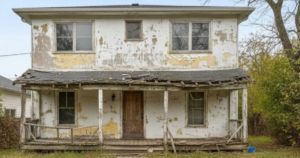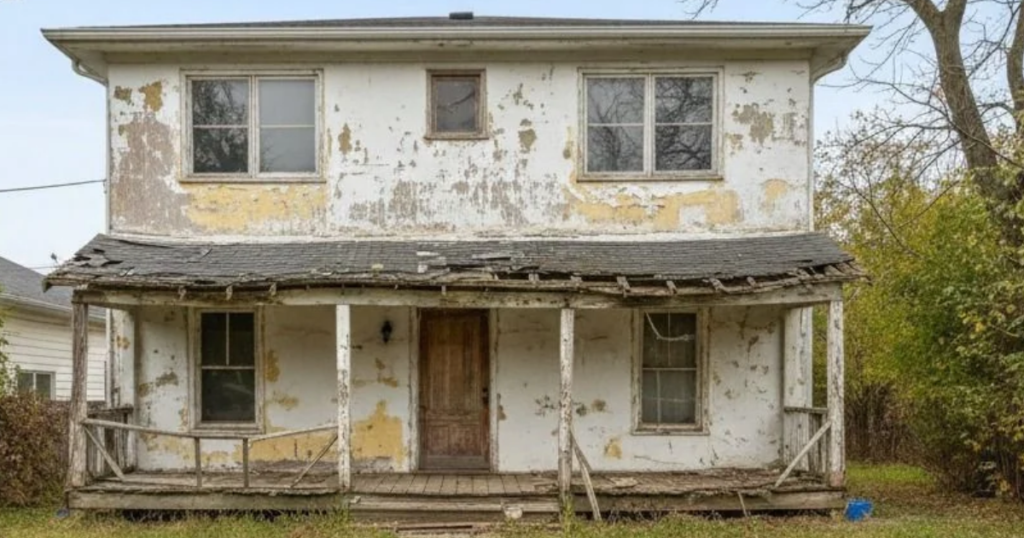
Renovating a property can improve its value, comfort and appearance, but what happens when the building has a history of methamphetamine contamination? Before picking up a paintbrush or removing old flooring, property owners should understand the risks and complete the right checks. A meth contaminated property renovation requires more planning than an ordinary renovation because methamphetamine residue can remain on walls, ceilings, carpets, floors, ventilation systems and other surfaces.
For homeowners, landlords, property investors and renovators across New Zealand, identifying contamination early can help prevent unnecessary costs, protect contractors and reduce the risk of spreading residue during building work. A property may look clean and ready for renovation while still containing methamphetamine residue that requires professional assessment.
If you are planning a meth contaminated property renovation, here are nine essential checks to complete before starting work.
Why Should You Check for Meth Contamination Before Renovating?
The first step in any meth contaminated property renovation is understanding the property’s contamination history.
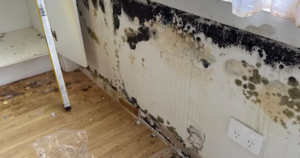
Methamphetamine use or manufacturing can leave residue on different surfaces throughout a building. Unlike mould or water damage, this residue is not always visible. Fresh paint, new flooring or general cleaning will not prove that a property is free from contamination.
Renovation work can also disturb contaminated materials. Removing wallpaper, sanding walls, pulling up carpets or replacing ceiling panels may spread residue to other surfaces if you do not manage the work properly.
This is why property owners should arrange appropriate meth contamination testing before starting major renovation work.
Here are nine important checks to complete before your renovation begins.
1. Check the Property’s History and Previous Meth Contamination Reports
Start by finding out what happened inside the property before planning any renovation work.
A property’s previous use can provide useful information about possible contamination. This is particularly important when buying an older rental property, an investment home or a building with an unknown occupancy history.
Ask the previous owner, property manager or real estate agent whether they have information about:
- Previous methamphetamine use or suspected manufacturing.
- Police or council notifications relating to methamphetamine activity.
- Previous meth contamination testing reports.
- Earlier decontamination or remediation work.
- Post-decontamination testing and clearance reports.
- Any known contamination affecting carpets, walls, ceilings or ventilation systems.
If the property has undergone meth decontamination before, request copies of the original testing reports and the final results.
Why does this matter?
Previous cleaning does not automatically mean the property is suitable for renovation. A report can help you understand which rooms were affected, what treatment took place and whether further assessment is necessary.
If you are unsure about possible warning signs, read our guide on Signs Your Property May Need Professional Meth Decontamination Services.
2. Arrange Professional Meth Contamination Testing Before Starting Work
Never assume that a property is clean simply because it looks well maintained.
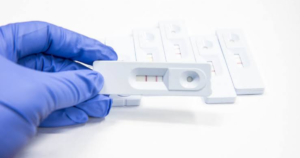
Professional testing is one of the most important steps in a meth contaminated property renovation. It helps establish whether methamphetamine residue is present and identifies areas that may need further investigation.
Testing before renovation is particularly useful because it creates a clearer picture of the property’s condition before contractors remove or replace building materials.
Depending on the property’s history and circumstances, the assessment may involve:
- Initial screening to identify potential contamination.
- Surface sampling from selected areas.
- Detailed testing by qualified professionals.
- Laboratory analysis of collected samples.
- A report explaining the results and affected areas.
For rental properties, New Zealand’s 2026 regulations also specify when landlords must arrange detailed testing. This includes situations where Police or a local authority advises that methamphetamine manufacture has or is likely to have occurred, or where a valid screening assessment indicates contamination above the prescribed level.
You can read the official Tenancy Services guidelines on meth contamination to understand the requirements.
Why should testing happen before demolition?
If contractors start removing flooring, plasterboard or other materials before testing, they may disturb contaminated surfaces and make it harder to understand the property’s original condition.
A professional assessment gives you better information before deciding how to approach the renovation.
3. Understand New Zealand’s Meth Contamination Levels
Knowing the applicable contamination thresholds helps you make informed renovation decisions.
New Zealand introduced the Residential Tenancies (Managing Methamphetamine Contamination) Regulations 2026, which came into force on 16 April 2026.
These regulations establish two important thresholds for residential tenancy properties.
| Meth residue level | What it means |
|---|---|
| Up to 15 µg/100 cm² | At or below the maximum acceptable level |
| Above 15 µg/100 cm² | Contaminated under the regulations |
| Above 30 µg/100 cm² | Above the maximum inhabitable level under the regulations |
Under these rules, affected areas with meth residue above 15 µg/100 cm² must be decontaminated to 15 µg/100 cm² or less.
A result above 30 µg/100 cm² has additional implications for rental property habitability and tenancy termination, subject to the applicable legal provisions and exceptions.
An important distinction for property owners: These statutory thresholds relate to residential tenancy requirements. They should not automatically be treated as a universal legal rule for every privately owned renovation or commercial building.
For the exact legal wording, refer to the Residential Tenancies (Managing Methamphetamine Contamination) Regulations 2026.
You can also read our detailed guide on 15 vs 30 µg Understanding NZ Meth Contamination Levels.
Why does this matter before renovation?
Understanding the results helps property owners determine whether they need further testing, professional decontamination or additional advice before proceeding with building work.
4. Identify All Potentially Affected Areas and Building Materials
A meth contaminated property renovation should never focus on visible damage alone.
Methamphetamine residue can settle on many surfaces, and different materials may require different treatment methods.
During the assessment, pay attention to the following areas:
Walls and Ceilings
Painted walls, plasterboard, ceiling panels and other surfaces may hold methamphetamine residue. Repainting or installing new plasterboard without addressing confirmed contamination may simply cover the problem.
Floors and Carpets
Carpets, underlay, wooden floors, tiles and other flooring materials may require assessment. The correct approach depends on the contamination results and the type of material.
Kitchens and Bathrooms
Cabinets, benchtops, cupboards, splashbacks and bathroom fittings can collect surface residue. Check these areas before removing or replacing fixtures.
Doors, Windows and Fixtures
Door handles, window frames, skirting boards, light switches and other frequently touched surfaces should also form part of the assessment.
Soft Furnishings
Curtains, mattresses, couches and other fabric-based items may require separate consideration. Some materials may be suitable for treatment, while others may need removal.
Why is a detailed assessment important?
It helps you avoid unnecessary demolition and prevents you from overlooking areas that may require professional treatment.
For more information, read our article on Meth Contamination and Soft Furnishings Can They Be Cleaned.
5. Check the Ventilation and Air Conditioning Systems
Do not overlook ventilation when planning a meth contaminated property renovation.
Heating, ventilation and air conditioning systems can collect dust and surface residue. Depending on the property’s history and the movement of air, contamination may also affect vents, filters and other accessible system components.
Before replacing or servicing these systems, arrange an appropriate assessment.
Important areas to check include:
- Air conditioning filters.
- Supply and return air vents.
- Ductwork and ventilation openings.
- Heat pumps and internal components.
- Ceiling ventilation spaces.
- Exhaust fans and accessible fan housings.
A standard air conditioning service does not automatically remove methamphetamine contamination.
If testing identifies affected HVAC components, the remediation plan should explain whether cleaning, treatment or replacement is necessary.
Why should you check ventilation early?
Renovators often replace air conditioning units, install new ventilation systems or modify ceiling spaces. Addressing contamination before these activities can help prevent residue from spreading to newly renovated areas.
Read our detailed guide on Meth Contamination Air Conditioning 7 HVAC Cleaning Facts for more information.
6. Get a Professional Decontamination Plan Before Demolition
Once testing confirms contamination, establish the correct treatment process before contractors begin renovation work.
A meth contaminated property renovation may require more than removing old paint, replacing carpets or washing walls.
The decontamination plan should consider:
- The location and extent of contamination.
- The materials affected by methamphetamine residue.
- Which surfaces can be treated and retained.
- Which materials require removal or replacement.
- Suitable cleaning and decontamination procedures.
- Waste handling and disposal requirements.
- The need for post-decontamination testing.
For rental properties covered by the 2026 regulations, the required decontamination process is based on NZS 8510:2017, with the modifications specified in the regulations.
The regulations also contain requirements concerning who may carry out the work and the independence of testing and decontamination providers.
Why should you avoid ordinary cleaning methods?
Household cleaning products and standard renovation cleaning may improve the appearance of a property without demonstrating that methamphetamine residue has been removed to the required level.
A professional remediation plan helps establish the correct work before you invest in new building materials.
Learn more about the process in our guide to Meth Decontamination NZ Everything Property Owners Need to Know.
7. Choose Contractors Who Understand Contaminated Properties
The right renovation team can help protect workers and prevent avoidable contamination problems.
Not every building contractor has experience working in a meth-affected property. Before hiring a renovation company, explain the property’s history and share the relevant assessment findings.
Ask contractors whether they have experience with:
- Properties affected by methamphetamine residue.
- Working around potentially contaminated materials.
- Following site-specific safety procedures.
- Coordinating with professional decontamination teams.
- Managing removal and disposal of affected materials.
- Protecting clean areas during renovation.
You should also establish who is responsible for different stages of the project.
For example, the meth testing professional, decontamination contractor and renovation builder may have separate responsibilities.
For rental properties covered by the 2026 regulations, the detailed testing, decontamination and post-decontamination testing roles must meet the applicable independence requirements.
Why is contractor coordination important?
Starting renovation work before the decontamination stage is properly managed can create unnecessary delays and additional expenses.
Make sure every contractor understands the agreed work sequence before entering the property.
8. Review Building Consents, Insurance and Renovation Costs
A meth contaminated property renovation also requires careful financial and legal planning.
Contamination is only one part of a renovation project. You should also consider building requirements, insurance conditions, contractor responsibilities and unexpected expenses.
Before starting, review the following:
Building Consent Requirements
Some renovation projects require building consent, while others may qualify for exemptions. Check the proposed work with your local council and review the guidance provided by Building Performance NZ.
Insurance Conditions
Contact your insurer before starting work. Ask whether your policy covers contamination-related remediation, removal of affected materials and any resulting renovation costs.
Do not assume that standard home insurance automatically covers methamphetamine contamination.
Renovation Budget
Allow for more than basic construction costs. Your budget may need to include:
- Professional meth testing.
- Detailed contamination assessment.
- Decontamination work.
- Removal and replacement of affected materials.
- HVAC inspection or treatment.
- Post-decontamination testing.
- Additional building repairs.
Other Hazardous Materials
Older properties may contain asbestos, lead-based paint or other hazardous materials. If you plan to remove old wall linings, insulation, paint or flooring, arrange the appropriate assessment before disturbing them.
WorkSafe New Zealand provides useful information about asbestos safety and management.
Why is early financial planning important?
Finding contamination after demolition begins can disrupt the renovation schedule and increase costs. A realistic budget gives you more control over the project.
9. Arrange Post-Decontamination Testing Before Reoccupation
Finishing the cleaning work does not automatically mean the property is ready for use.
This is one of the most important checks in a meth contaminated property renovation.
After professional decontamination, arrange appropriate post-decontamination testing to confirm whether the affected areas meet the applicable requirements.
The final assessment should establish:
- Whether the treated surfaces meet the required residue levels.
- Whether any affected areas still require further treatment.
- Whether additional cleaning or remediation is necessary.
- Whether the decontamination process has been completed.
- Whether the property is ready for the next stage of renovation or occupation.
For rental properties covered by the 2026 regulations, the decontamination process is not complete until the prescribed post-decontamination testing confirms that the premises are no longer contaminated.
If the results remain above the maximum acceptable level, further decontamination and testing may be necessary.
Keep copies of the following documents:
- Initial screening results.
- Detailed meth testing reports.
- Decontamination records.
- Waste removal documentation, where applicable.
- Post-decontamination testing reports.
- Relevant contractor records.
These documents can also help when dealing with insurers, property managers, future buyers and other relevant parties.
Why should you keep these records?
They provide evidence of the work completed and help demonstrate how the contamination issue was managed.
Common Mistakes to Avoid During a Meth Contaminated Property Renovation
Even a well-planned renovation can encounter problems when property owners overlook contamination-related requirements.
Here are some common mistakes worth avoiding:
1. Starting demolition before testing
Removing carpets, plasterboard or other materials before assessing contamination can disturb affected surfaces.
2. Assuming fresh paint solves the problem
Painting over a potentially contaminated surface does not prove that methamphetamine residue has been removed.
3. Using ordinary cleaning services
Standard house cleaning and meth decontamination are different processes. Use appropriately qualified professionals when contamination requires specialist treatment.
4. Ignoring ventilation systems
Air conditioning units, ducts and vents may require assessment as part of the wider remediation plan.
5. Choosing contractors based only on price
The cheapest quote may not include the testing, safety procedures or documentation needed for the project.
6. Skipping post-decontamination testing
Without the required final testing, you cannot simply assume that the contamination has been successfully addressed.
7. Overlooking legal requirements
Rental property owners must understand their responsibilities under the current Residential Tenancies Act and the 2026 meth contamination regulations.
Avoiding these mistakes can help make your renovation more organised, cost-effective and responsible.
How Kiwi Meth Xpert Can Help Before Your Property Renovation
Planning a meth contaminated property renovation can feel overwhelming, especially when you do not know how much of the building may be affected.
Kiwi Meth Xpert helps New Zealand property owners understand their meth contamination concerns through professional testing and decontamination services.
Whether you are renovating an investment property, preparing a rental home for new tenants or upgrading a recently purchased house, getting the right advice before starting work can make a significant difference.
Our services can help with:
- Meth contamination testing.
- Identifying potentially affected areas.
- Professional meth decontamination.
- Assessing contamination-related cleaning requirements.
- Supporting post-decontamination testing.
- Helping property owners understand the next steps.
You can explore our meth decontamination services or visit the Kiwi Meth Xpert homepage to learn more.
Frequently Asked Questions About Meth Contaminated Property Renovation
1. Can I renovate a meth-contaminated property without decontamination?
It depends on the contamination findings, the proposed work and the applicable legal requirements. However, you should arrange professional assessment before disturbing potentially contaminated materials. For rental properties, statutory decontamination requirements apply when the prescribed testing establishes contamination above the maximum acceptable level.
2. Should I test a property before removing carpets and flooring?
Yes, if there is a reasonable concern about methamphetamine contamination. Testing before demolition can help establish the property’s original condition and identify areas requiring treatment.
3. Can painting over contaminated walls remove meth residue?
No. Painting over a contaminated surface does not demonstrate that methamphetamine residue has been removed. Arrange an appropriate assessment and follow the recommended decontamination process.
4. What is the acceptable meth contamination level in NZ?
Under the Residential Tenancies (Managing Methamphetamine Contamination) Regulations 2026, the maximum acceptable level is 15 µg/100 cm². Areas above this level are considered contaminated under the regulations and require decontamination.
5. Does every meth-contaminated property need complete renovation?
No. The extent of remediation depends on the testing results, affected areas and building materials. Some properties may only require treatment in specific rooms or areas rather than a complete renovation.
6. Is post-decontamination testing necessary?
Yes, it is an essential part of confirming that the required decontamination has worked. For properties covered by the 2026 regulations, prescribed post-decontamination testing forms part of completing the decontamination process.
7. Can I stay in my home during meth decontamination?
This depends on the contamination levels, the affected areas, the work being carried out and the applicable health and legal requirements. Discuss occupancy arrangements with the relevant professionals before work begins.
Final Thoughts on Renovating a Meth-Affected Property in NZ
A successful renovation starts with understanding the condition of the property, not simply choosing new flooring, paint colours or fixtures.
A meth contaminated property renovation needs careful planning, appropriate testing, professional decontamination where required and post-decontamination verification. These steps can help prevent avoidable costs, protect renovation workers and support a safer property for future occupants.
Whether you own a rental property, manage investment homes or have recently purchased a house with an unknown history, do not leave contamination checks until after renovation work begins.
Planning a renovation for a property that may be affected by meth?
Contact Kiwi Meth Xpert before starting your project. Our team can help you understand your testing and decontamination requirements and take the next step towards a properly assessed property.
Visit kiwimethxpert.co.nz today to enquire about professional meth testing and decontamination services across New Zealand.