Planning to rebuild, renovate or upgrade an existing property? Before removing walls, replacing flooring or starting demolition, consider one important step: meth testing before renovation.
A property may look clean, smell fresh and appear ready for construction, but methamphetamine residue can remain on walls, ceilings, carpets, floors and other surfaces. Previous occupants may have used or manufactured methamphetamine without leaving any obvious signs.
For New Zealand homeowners, landlords, property investors and builders, meth testing before renovation can help identify hidden contamination before construction begins. It can also prevent unexpected remediation costs, protect contractors and help you make better decisions about the renovation.
Whether you are planning a small bathroom upgrade or a complete property rebuild, here are seven important reasons to arrange meth testing before starting work.
Why Is Meth Testing Before Renovation Important?
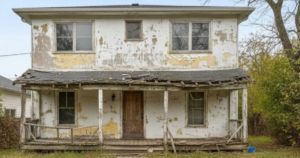
The condition of a property is not always easy to judge through a visual inspection.
Methamphetamine residue can remain on surfaces after the occupants leave. Standard house cleaning, fresh paint and new flooring do not necessarily remove this residue.
During renovation, activities such as sanding, drilling, cutting plasterboard and removing carpets may disturb affected materials. This can spread contamination to other areas if you do not identify and manage it first.
Meth testing before renovation gives property owners a better understanding of the building’s condition before contractors begin work.
Here are seven reasons why this check deserves a place in your renovation plan.
1. Identify Hidden Methamphetamine Contamination Before Demolition
The first reason to arrange meth testing before renovation is to identify contamination that you cannot see.
A property can look perfectly normal even when methamphetamine residue remains on internal surfaces. This makes visual inspections unreliable when a building has a history of suspected meth use or manufacture.
Consider arranging testing if:
- You have purchased an investment property with an unknown history.
- Previous tenants may have used methamphetamine.
- Police or a local authority have raised concerns about possible meth manufacture.
- The property has undergone previous meth decontamination.
- You have received an earlier screening result that indicates possible contamination.
Professional testing can help identify affected areas and determine whether further investigation or decontamination is necessary.
Why does this matter?
Discovering contamination before demolition gives you a clearer picture of the work involved. You can plan the renovation around the findings instead of discovering a contamination problem halfway through construction.
For more information, read our guide on Meth Contamination Warning Signs in Your Property.
2. Protect Builders, Renovators and Other Contractors
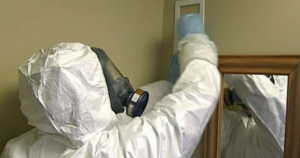
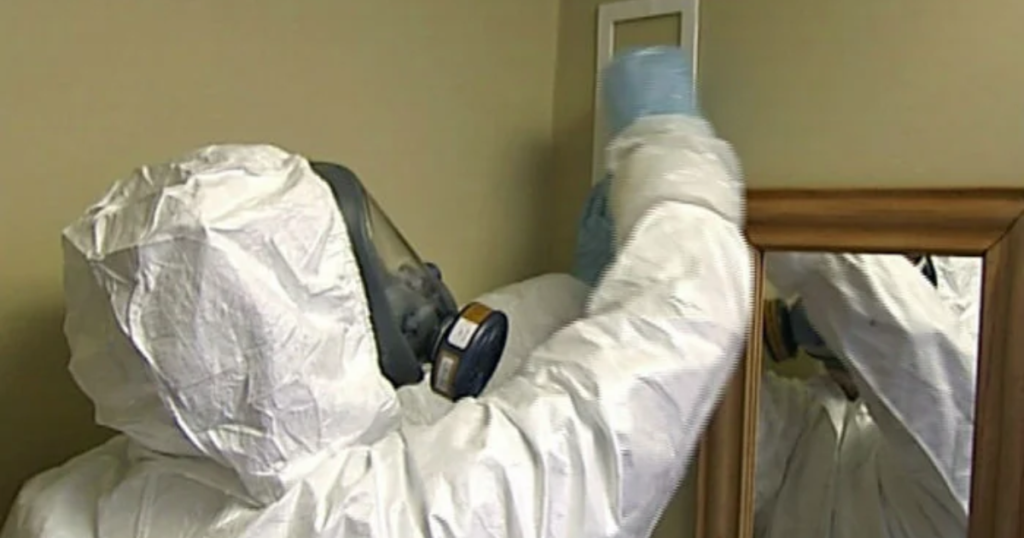
A second important reason for meth testing before renovation is to help protect the people working inside the property.
Builders, electricians, plumbers, painters and demolition contractors may come into contact with potentially contaminated surfaces and materials during their work.
For example, removing old plasterboard, pulling up carpets or sanding painted walls may disturb residue that has settled on those surfaces.
Before contractors start work, property owners should understand:
- Whether methamphetamine contamination has been identified.
- Which rooms or surfaces may be affected.
- Whether specialist decontamination is necessary.
- What site controls contractors should follow.
- Whether the renovation can proceed safely under the agreed work plan.
Do not assume that ordinary dust masks or standard construction cleaning will manage every contamination risk.
A professional assessment helps you provide contractors with better information before they begin.
Why does this matter?
Identifying contamination early allows you to organise appropriate controls and coordinate the work with qualified professionals. It also reduces the chance of disturbing affected materials without a suitable plan.
3. Avoid Unexpected Renovation and Decontamination Costs
Renovation budgets can quickly increase when unexpected problems appear.
One of the biggest advantages of meth testing before renovation is that it helps you identify potential contamination costs before committing to major building work.
Imagine removing old flooring and discovering that the property requires specialist decontamination. You may need to stop construction, arrange further testing, organise treatment and adjust your renovation schedule.
These additional steps can affect your budget and completion date.
Depending on the results, possible expenses may include:
- Initial meth screening.
- Detailed methamphetamine testing.
- Professional decontamination.
- Removal and replacement of affected materials.
- HVAC inspection or treatment.
- Post-decontamination testing.
- Additional labour and project delays.
Not every property requires extensive remediation. Some contamination may be limited to specific areas, while other properties may need a more detailed treatment plan.
Why does this matter?
Testing before construction helps you make more realistic financial decisions. You can include any necessary remediation in the original renovation budget rather than dealing with unexpected expenses later.
4. Find Out Which Rooms and Building Materials Need Attention
Not every part of a meth-affected property will necessarily have the same contamination level.
Meth testing before renovation helps identify where further attention may be required.
A professional assessment can help establish which rooms, surfaces and materials need additional investigation.
Walls and Plasterboard
Painted walls, plasterboard and ceilings may hold methamphetamine residue. Repainting or replacing a wall without addressing confirmed contamination may not solve the underlying problem.
Carpets and Flooring
Carpets, underlay, wooden flooring and other surfaces may require assessment before removal or replacement.
Kitchens and Bathrooms
Cupboards, benchtops, bathroom fittings, splashbacks and other surfaces should be considered when planning the assessment.
Windows, Doors and Fixtures
Window frames, door handles, skirting boards, switches and other frequently touched surfaces may also require attention.
Ventilation Systems
Air conditioning filters, vents and accessible ductwork may need assessment depending on the property’s history and contamination findings.
Why does this matter?
A detailed understanding of affected areas helps you avoid unnecessary demolition. It also helps contractors know which materials they can retain, which need treatment and which may require replacement.
5. Understand New Zealand’s Meth Contamination Rules Before Rebuilding
Another important reason for meth testing before renovation is to understand the relevant New Zealand requirements.
The Residential Tenancies (Managing Methamphetamine Contamination) Regulations 2026 came into force on 16 April 2026. They establish testing, contamination and decontamination requirements for residential tenancy properties.
Two important thresholds under these regulations are:
| Meth residue level | Meaning under the regulations |
|---|---|
| Up to 15 µg/100 cm² | At or below the maximum acceptable level |
| Above 15 µg/100 cm² | Contaminated |
| Above 30 µg/100 cm² | Above the maximum inhabitable level |
The regulations require contaminated areas in covered rental properties to be decontaminated to 15 µg/100 cm² or less.
They also specify when landlords must arrange detailed testing, including when Police or a local authority notifies them of likely methamphetamine manufacture or when a valid screening assessment indicates contamination above the prescribed level.
It is important to understand that these are residential tenancy requirements. They should not automatically be presented as universal rules for every privately owned renovation or commercial building.
You can check the official requirements through:
- Tenancy Services NZ – Meth Testing and Decontamination Standards
- New Zealand Legislation – Residential Tenancies (Managing Methamphetamine Contamination) Regulations 2026
Why does this matter?
Understanding the applicable requirements helps landlords and property managers make informed decisions about testing, decontamination and the next steps before renovation work begins.
6. Prevent Contamination From Spreading During Renovation
Demolition and construction involve activities that disturb existing building materials.
This is another reason why meth testing before renovation should happen before contractors start removing or modifying building components.
For example:
- Sanding may disturb contaminated paint or surface layers.
- Removing plasterboard may affect surrounding surfaces.
- Pulling up carpets may disturb residue on flooring or underlay.
- Drilling and cutting may create dust from affected materials.
- Replacing ventilation systems may disturb potentially affected components.
If testing identifies contamination, property owners should arrange the appropriate professional assessment and remediation before deciding how to proceed.
A suitable work plan should identify affected areas, specify how contractors should manage the work and establish when decontamination must take place.
Why does this matter?
Preventing unnecessary disturbance can make the project easier to manage. It also reduces the risk of spreading residue into areas that were previously unaffected.
7. Make Better Decisions Before Rebuilding, Selling or Renting the Property
The final reason for meth testing before renovation is to make informed decisions about the property’s future.
Property owners often renovate to increase market value, attract tenants or prepare a building for sale. However, spending money on new fixtures and finishes before understanding a potential contamination issue can create problems later.
Testing can help you decide whether to:
- Proceed with the planned renovation.
- Arrange additional investigation.
- Decontaminate specific rooms or surfaces.
- Remove and replace affected materials.
- Review the renovation budget.
- Obtain further advice before renting or selling.
Once decontamination has taken place, appropriate post-decontamination testing can confirm whether the required residue levels have been achieved.
For rental properties covered by the 2026 regulations, post-decontamination testing forms part of completing the prescribed decontamination process.
Keep copies of the testing reports, remediation records and relevant project documentation. These records can help demonstrate what work took place and support future property management decisions.
Why does this matter?
A property owner’s decisions should be based on reliable information rather than assumptions. Testing before renovation provides a better starting point for managing the building’s condition and planning its future use.
When Should You Arrange Meth Testing Before Renovation?
Timing is important when planning a renovation.
Ideally, arrange meth testing before demolition, sanding, stripping, flooring removal or other activities that could disturb existing surfaces.
Consider testing at these stages:
| Renovation stage | Recommended action |
|---|---|
| Before purchasing a property | Consider testing if its history raises concerns |
| Before demolition | Assess potential meth contamination |
| Before removing carpets and flooring | Identify potentially affected surfaces |
| Before major wall and ceiling work | Check for contamination concerns |
| After professional decontamination | Arrange appropriate post-decontamination testing |
If you have already started renovation work and discover possible contamination, stop disturbing the suspected affected area and seek professional advice about the next steps.
For more information about the complete treatment process, explore our meth decontamination services.
Meth Screening vs Detailed Meth Testing What Is the Difference?
Understanding the difference between screening and detailed testing can help you choose the right starting point.
Meth screening
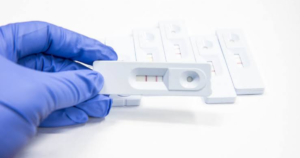
Screening provides an initial indication of whether methamphetamine residue may be present. It can help identify areas that need further investigation.
Detailed meth testing
Detailed testing provides a more comprehensive assessment of contamination levels and affected areas. It uses the prescribed sampling and testing method where applicable.
Under the 2026 rental property regulations, only qualified professionals can carry out the prescribed detailed testing, and the required independence rules apply between testing and decontamination providers.
You can learn more from the official Tenancy Services meth contamination guidelines.
The appropriate testing approach depends on the property’s history, the reason for testing and the requirements that apply to the property.
Why Choose Kiwi Meth Xpert for Meth Testing Before Renovation?
Finding a possible contamination issue before rebuilding can save property owners considerable time and unnecessary disruption.
Kiwi Meth Xpert helps New Zealand property owners understand their meth contamination concerns through professional testing and decontamination services.
Whether you are preparing an investment property for renovation, upgrading a rental home or purchasing a building with an unknown history, getting the right advice early can help you plan the next steps.
Our services include:
- Methamphetamine contamination testing.
- Assessment of potentially affected areas.
- Professional meth decontamination.
- Advice on contamination-related remediation requirements.
- Post-decontamination testing support.
We understand that every property is different. The right approach depends on the testing results, building materials and the extent of any contamination.
Visit our Kiwi Meth Xpert website to learn more about our services and how we can help.
Frequently Asked Questions About Meth Testing Before Renovation
1. Should I arrange meth testing before renovating an old property?
If the property has a suspected history of methamphetamine use or manufacture, testing before renovation is a sensible precaution. It helps identify possible contamination before demolition or construction disturbs existing materials.
2. Can I renovate a property without meth testing?
There is no universal requirement to test every privately owned property before every renovation. However, where contamination is suspected, assessment before disturbing materials is strongly advisable. Additional legal requirements apply to certain residential rental property situations.
3. Can methamphetamine residue remain after repainting?
Yes. Repainting does not prove that methamphetamine residue has been removed. Testing and appropriate decontamination are needed to assess and address confirmed contamination.
4. How long does meth testing take?
The timeframe depends on the type of testing, property size, number of samples and laboratory processing requirements. Ask your testing provider for an estimated timeframe before scheduling contractors.
5. Does meth contamination affect renovation costs?
It can. Depending on the findings, the property may require additional testing, specialist cleaning, material removal or replacement and post-decontamination testing.
6. What happens if meth contamination is found before demolition?
The next step is to understand the results and arrange an appropriate remediation plan. Avoid disturbing affected materials until you have received professional advice about the required controls and treatment.
7. Do I need testing after meth decontamination?
Yes. Post-decontamination testing helps confirm whether the required residue levels have been achieved. For rental properties covered by the 2026 regulations, prescribed post-decontamination testing is necessary to complete the process.
Final Thoughts on Meth Testing Before Renovation
A successful renovation begins with understanding what is already inside the property.
Meth testing before renovation can help identify hidden contamination, protect contractors, reduce unexpected costs and give property owners a clearer idea of what needs attention before rebuilding.
Whether you are planning a small renovation or a complete property upgrade, do not leave contamination checks until demolition has started.
Planning to renovate a property with a possible meth history?
Contact Kiwi Meth Xpert before starting construction. Our team can help you understand your meth testing and decontamination requirements and plan the next steps with confidence.
Visit kiwimethxpert.co.nz today to enquire about professional meth testing and decontamination services across New Zealand.