

New 2026 Meth Contamination Rules: What Landlords Must Do After Contamination
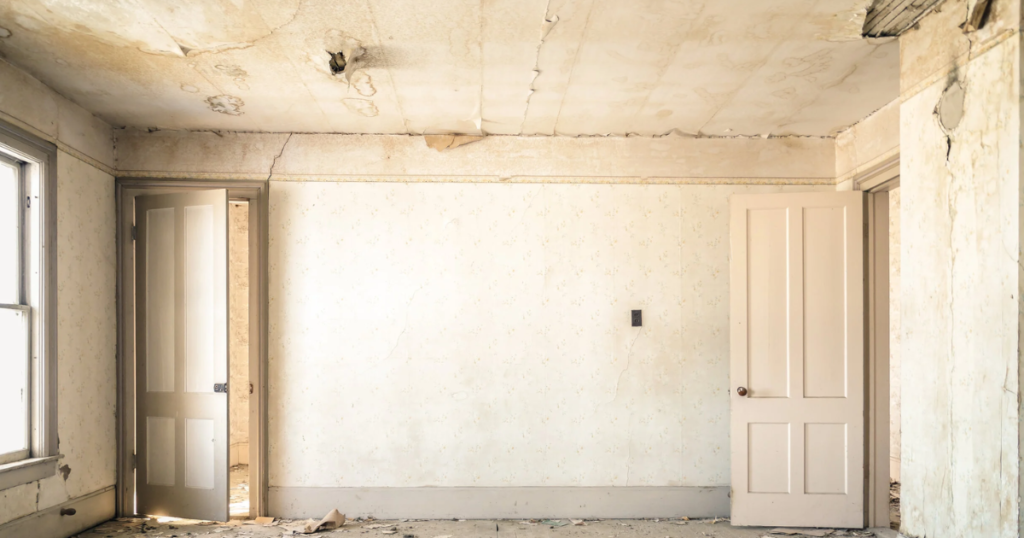
The meth contamination rules in New Zealand changed on 16 April 2026, giving landlords clearer requirements for testing, decontamination and managing rental properties affected by methamphetamine. If you own a rental property and contamination is suspected or confirmed, knowing what to do next is important. The new Residential Tenancies (Managing Methamphetamine Contamination) Regulations 2026 set a maximum acceptable methamphetamine level of 15 µg/100 cm². They also set a maximum inhabitable level of 30 µg/100 cm² for rental premises. For landlords, the key point is simple: a positive screening result is not the end of the process. You need to understand when detailed testing is required, when decontamination must happen, what information tenants must receive and when the property can be considered ready again. What Are the New Meth Contamination Rules in NZ? The new meth contamination rules came into force on 16 April 2026. They establish: The rules apply to residential tenancy premises, so this article is primarily relevant to landlords and property managers managing rental properties. For the full legislation, landlords can read the official Residential Tenancies (Managing Methamphetamine Contamination) Regulations 2026. Meth Contamination Rules: What Does 15 µg/100 cm² Mean? Under the 2026 meth contamination rules, a rental property is considered contaminated when methamphetamine residue is above 15 µg/100 cm² in any part of the property. The affected area must then be decontaminated until the level is 15 µg/100 cm² or below. Importantly, contamination is considered on an area-by-area basis. For example, if testing finds: the bedroom is above the maximum acceptable level and requires attention. The other areas are below that threshold. This means a positive result does not automatically mean the entire house needs to be stripped out or rebuilt. The correct response depends on the testing results, affected areas and materials. What Happens If Meth Levels Are Above 30 µg/100 cm²? The meth contamination rules also establish a maximum inhabitable level of 30 µg/100 cm². If any part of a rental property is tested above this level, the property is considered uninhabitable under the current guidance, subject to the specific rules for remote and inconsequential areas. In these circumstances, the Residential Tenancies Act provides specific options for ending the tenancy. For example, where the landlord is not at fault for the contamination, Tenancy Services states that a landlord can give 7 days’ notice to terminate in the circumstances covered by the Act. A tenant who is not at fault can give 2 days’ notice. Because tenancy termination can have legal consequences, landlords should obtain independent legal advice when necessary rather than relying on a blog article alone. Meth Contamination Rules: When Must a Landlord Arrange Testing? One important change is that landlords do not have to automatically arrange meth testing between every tenancy. However, the 2026 meth contamination rules require landlords to arrange detailed testing when certain circumstances occur. This includes situations where: The landlord must arrange the required testing as soon as practicable after receiving the relevant notification. What Is the Difference Between Screening and Detailed Testing? A screening assessment can indicate whether further investigation may be required. Detailed testing goes further. It determines how much methamphetamine contamination is present, where it is located and whether decontamination is required. Under the current guidance, only qualified professionals can carry out detailed testing, and the people conducting detailed testing must not be the same people carrying out the decontamination work for that property. This distinction is important when choosing contractors. What Must Landlords Do After a Positive Meth Test? If testing confirms contamination above the applicable level, the next step is to address the affected area through the required decontamination process. A practical sequence is: Positive result → Detailed testing → Remediation plan → Decontamination → Post-decontamination testing → Reoccupation when requirements are met The landlord should not simply arrange ordinary house cleaning and assume the contamination has been resolved. The meth contamination rules require decontamination to follow the process prescribed by the 2026 Regulations, which is based on Section 4 of NZS 8510:2017, with modifications specified by the Regulations. Meth Decontamination Must Follow the 2026 Rules Landlords can carry out the required decontamination themselves or engage another person to do the work. However, if a landlord hires a contractor, the contractor must be independent of: This separation is an important part of the new meth contamination rules. It helps keep testing, cleaning and verification as separate stages of the process. For landlords who prefer professional remediation, Kiwi Meth Xpert provides meth decontamination services for contaminated properties. What Areas and Materials May Need Cleaning? Meth contamination can affect different surfaces and materials differently. Depending on the testing results, decontamination may involve areas such as: The current Tenancy Services guidance gives specific requirements for carpets, curtains and other landlord-provided soft furnishings in contaminated areas. Where these items can be decontaminated, they must be HEPA-filter vacuumed and steam cleaned. Items that cannot be adequately cleaned, such as some couches or mattresses, must be removed and replaced. For more information about contaminated furnishings, landlords can also read Kiwi Meth Xpert’s guide to meth contaminated furniture cleaning. Do Tenants Have to Move Out During Meth Decontamination? Not necessarily. Tenancy Services states that tenants are not automatically required to move out while decontamination is taking place. However, landlords and tenants should discuss whether temporary relocation is practical while work is completed. They should also discuss any rent reduction that may apply and record agreements in writing. Landlords also need to follow the appropriate notice requirements before entering a tenanted property to carry out testing or decontamination. This is another reason property managers should plan the work carefully instead of treating meth cleaning as ordinary maintenance. Landlords Must Keep Tenants Informed The 2026 meth contamination rules also affect communication with tenants. Where a property is tenanted, landlords have notification and disclosure obligations relating to testing. Tenancy Services states that landlords must provide existing tenants with test results within 7 days of receiving them. Failing to follow the required notification and disclosure
11 Alarming Ways Meth Contamination Pets Can Affect Your Home
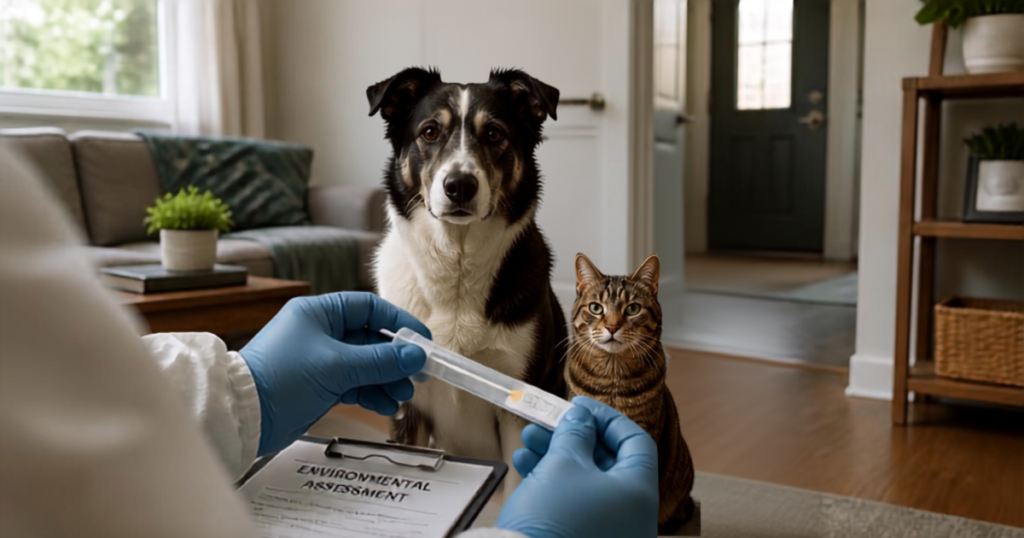
Understanding meth contamination pets is important for every pet owner. Pets are part of the family, so keeping them safe is a priority when you discover a property may have meth contamination. Dogs and cats spend a lot of time on floors, carpets, furniture and other household surfaces, which means they can come into contact with areas that may have meth residue. When meth contamination pets is a concern, testing can help identify affected areas .For homeowners, landlords and tenants, understanding meth contamination pets can help you make sensible decisions about testing, cleaning and property access. Meth residue cannot always be seen, smelled or identified by simply looking around a home. If you suspect a property has been affected, proper meth testing NZ can help determine whether further action is needed. New Zealand’s methamphetamine contamination rules changed in April 2026. Under the current regulations, rental property areas with meth residue above 15 µg/100 cm² are considered contaminated and must be decontaminated. 1. Meth Contamination Pets Can Mean More Contact With Affected Surfaces Pets naturally spend a lot of time close to the floor, which can increase their contact with household surfaces. Dogs may walk across carpets, rugs and floors before licking their paws. Cats regularly groom themselves, which means substances on their fur or paws can potentially be swallowed during grooming. This does not mean every pet exposed to a property with meth residue will become sick. However, pet owners should take suspected contamination seriously and avoid unnecessary contact with affected areas until the property has been properly assessed. If you suspect meth contamination pets may be exposed to, start by keeping them away from areas you believe could be affected. 2. How Meth Contamination Pets Can Affect Carpets and Soft Furnishings Carpets, rugs, curtains and upholstered furniture can form a large part of a pet’s everyday environment. Pets may sleep on carpets, play on rugs or spend hours resting on couches. If meth residue is present on a surface, these areas need to be considered when assessing the property. The current NZ rental regulations require affected areas to be decontaminated when meth residue is above the maximum acceptable level. You can also learn more about how contaminated household items may need to be assessed in our guide to meth contaminated furniture cleaning. 3. Meth Residue Can Be Transferred to Paws and Fur Pets can move around a property much more freely than people realise. This is an important consideration when managing meth contamination pets in a household. A dog may walk from a contaminated floor onto a bed or sofa. A cat may move between carpets, furniture and other surfaces before grooming itself. This is one reason pet owners should not assume that keeping an animal in another room automatically removes all potential exposure. The National Poisons Centre explains that pets can be poisoned when substances get onto their fur or paws and are then swallowed during grooming. That general poisoning risk is different from proving that household meth residue has caused illness in a particular pet, so avoid making assumptions about your pet’s health based only on a contamination result. 4. Meth Contamination Pets May Affect Favourite Sleeping Areas Pets often have favourite places around the home. Your dog may sleep on a particular rug, while your cat may prefer a sofa, cushion or carpeted corner. These areas can receive frequent contact from paws, fur and skin. If a property is being assessed for meth contamination pets, these high-contact areas should not simply be ignored. Instead, follow the advice of the qualified professionals carrying out the assessment and decontamination process. Avoid moving potentially affected items around the home without understanding how they should be handled. 5. Ordinary DIY Cleaning May Not Be Enough A quick household clean is not the same as professional meth decontamination. Mopping floors, vacuuming carpets or wiping down furniture may remove ordinary dirt, but these actions do not automatically prove that meth residue has been removed to the required level. New Zealand’s current rental-property rules require testing and decontamination to follow specified processes, with detailed testing carried out by qualified professionals where required. If you are unsure whether DIY cleaning is appropriate, read our guide on DIY vs professional meth cleaning before starting major cleaning work. 6. Meth Contamination Pets May Change Where Animals Spend Time When contamination is suspected, restricting access can be a sensible temporary measure. For example, you may need to keep your pet away from a particular bedroom, carpeted area or section of the property while testing or cleaning takes place. This can be inconvenient, especially for households with dogs and cats that normally move freely around the home. However, temporary restrictions can be easier to manage than allowing pets to continue moving through an area that is still being assessed or decontaminated. 7. You Cannot Reliably Identify Meth Contamination by Looking at Your Home Meth residue does not always come with obvious signs. A property can look clean while still requiring testing. Likewise, finding a stain, unusual smell or dirty surface does not automatically mean that meth contamination is present. This is why testing is important when there is a reasonable reason to suspect contamination. The current NZ rules allow screening assessments using approved methods, while certain situations require detailed testing by a qualified professional. If you are concerned about a property, our guide on how meth contamination testing protects your home, family and investment explains more about the testing process. 8.Why Meth Contamination Pets Matters When Buying or Renting Pet owners should consider contamination when assessing a property they plan to buy or rent. This is particularly important if there is information suggesting previous methamphetamine use or manufacture at the property. For rental homes, current regulations provide clear rules around meth residue levels, testing, decontamination and tenancy management. If you are buying a property, you can also review the NZ Government’s Settled.govt.nz guidance on understanding methamphetamine as part of your property research. A property that has been
How Meth Contamination Testing Protects Your Home, Family, and Investment
When people think about property safety, they often focus on structural integrity, electrical systems, plumbing, or weather-related damage. However, one hidden threat that many property owners overlook is methamphetamine contamination. Meth contamination can occur in residential homes, rental properties, commercial buildings, and even vehicles, leaving behind harmful residues that may affect occupants and reduce property value. In New Zealand, meth contamination has become a growing concern for homeowners, landlords, property managers, and property buyers. Identifying contamination early through professional meth testing can help protect your family’s health, preserve your property’s value, and prevent costly remediation issues in the future. Understanding Meth Contamination Methamphetamine, commonly known as meth, can leave chemical residues on walls, ceilings, floors, carpets, furniture, ventilation systems, and other surfaces. These residues can remain in a property long after the drug has been used or manufactured. Properties can become contaminated through: Without proper testing, contamination may remain undetected, creating risks for future occupants and property owners. Why Meth Testing Is Important Meth contamination is often invisible. Unlike mould, water damage, or structural defects, there may be no obvious signs that a property has been exposed to methamphetamine. Professional meth testing helps determine whether contamination is present and whether further investigation or remediation is required. According to New Zealand’s NZS 8510:2017 standards, testing and decontamination procedures provide a framework for identifying and managing meth-contaminated properties. Professional testing services use specialised methods and equipment to detect contamination levels accurately. Testing offers peace of mind and helps property owners make informed decisions about their assets. Protecting Your Family’s Health One of the biggest reasons for meth contamination testing is the wellbeing of those living in the property. Children, elderly individuals, and people with existing health conditions are often more vulnerable to environmental contaminants. While contamination levels and associated risks can vary, identifying potential exposure allows property owners to take appropriate action before occupants move into the property. Professional testing can help: For families purchasing a home, meth testing can provide confidence that their new environment is suitable for long-term living. Protecting Property Buyers from Costly Surprises Buying a property is one of the largest financial investments most people will ever make. Unfortunately, contamination issues are not always disclosed or discovered during standard building inspections. A property may appear clean and well-maintained while still containing methamphetamine residues from previous occupants. Professional meth testing before purchasing a property can: Many property buyers choose meth testing as part of their due diligence process because remediation expenses can become significant if contamination is discovered after purchase. Industry professionals regularly recommend testing when there are concerns about a property’s history or occupancy. Supporting Landlords and Property Managers Rental properties can experience frequent tenant turnover, making regular property assessments important. Landlords and property managers have a responsibility to provide safe accommodation and protect their investment properties from unnecessary damage. Meth contamination testing can help identify issues between tenancies and establish baseline records for future reference. Benefits for landlords include: Maintaining Property Standards Routine testing helps ensure rental properties remain in good condition and suitable for new tenants. Reducing Financial Risk Early detection often allows contamination issues to be addressed before they become more extensive. Protecting Rental Income Identifying and resolving contamination quickly can reduce vacancy periods and help maintain tenant confidence. Demonstrating Due Diligence Testing records can demonstrate that reasonable steps have been taken to monitor and maintain the property’s condition. Kiwi Meth Xpert highlights that testing between tenants can help property owners demonstrate due diligence while providing confidence to incoming tenants. Safeguarding Commercial Properties Meth contamination is not limited to residential homes. Offices, retail premises, warehouses, and other commercial buildings can also become contaminated. Businesses rely on providing safe environments for employees, customers, and visitors. Contamination issues can create reputational concerns, operational disruptions, and potential liabilities. Professional meth testing helps commercial property owners: Specialised commercial decontamination services are available when contamination is detected, helping businesses return properties to safe operating conditions. Preserving Property Value Property value is influenced by many factors, including location, condition, and environmental safety. Meth contamination can negatively impact a property’s marketability and sale potential. Buyers may be reluctant to proceed with a purchase if contamination concerns arise during inspections. Regular testing helps protect property value by: A clean test report can also provide reassurance to prospective buyers, tenants, insurers, and lenders. The Benefits of Professional Testing While DIY testing kits are available, professional testing provides a higher level of accuracy and reliability. Qualified testing professionals understand sampling procedures, laboratory requirements, and reporting standards. Many professional services use recognised methodologies that comply with New Zealand standards and laboratory protocols. Professional testing typically includes: This comprehensive approach helps property owners make informed decisions based on reliable information. When Should You Consider Meth Testing? There are several situations where meth contamination testing may be beneficial. Before Buying a Property Testing provides confidence before completing a major investment. Between Tenancies Landlords can verify property condition and establish records for future reference. Before Selling a Property A clean test result can help reassure potential buyers. Following Suspicious Activity Properties with signs of drug-related activity may benefit from professional assessment. Commercial Property Transactions Businesses purchasing or leasing premises may wish to evaluate contamination risks. Vehicle Purchases Used vehicles can also become contaminated, making testing valuable in some situations. Kiwi Meth Xpert offers testing solutions for homes, businesses, and vehicles, helping property owners identify contamination concerns before they become larger issues. What Happens If Contamination Is Found? Finding contamination does not necessarily mean a property is unusable. The next steps depend on contamination levels, property type, and professional recommendations. If contamination is identified, trained remediation specialists can perform decontamination services designed to reduce contamination and restore safe conditions. Professional cleaning methods, specialised products, and structured remediation processes are often used to address affected areas. Kiwi Meth Xpert uses cleaning systems and products that have been tested for compliance with NZS 8510:2017 requirements. Following remediation, additional testing may be conducted to verify the effectiveness of the cleaning process. approved
Signs Your Property May Need Professional Meth Decontamination Services
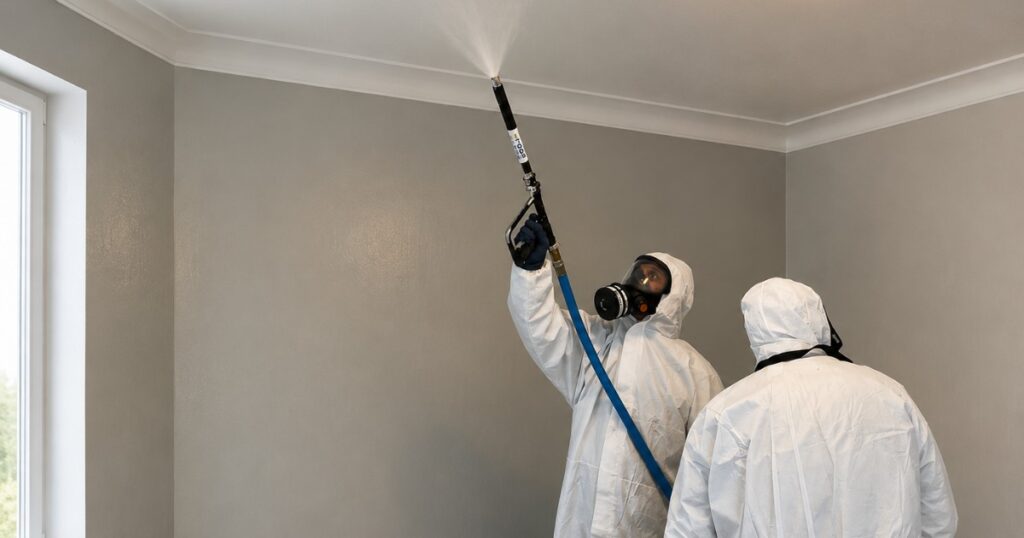
Meth contamination is an often-overlooked issue that can affect homes, rental properties, commercial buildings, and even vehicles throughout New Zealand. Because methamphetamine residue is usually invisible to the naked eye, many property owners are unaware that contamination exists until testing reveals a problem. Whether you are a homeowner, landlord, property manager, business owner, or prospective buyer, understanding the warning signs of meth contamination can help you take action before the problem becomes more serious. Professional meth decontamination services are designed to identify, manage, and remove harmful residues, helping restore a property to a safe and healthy condition. Kiwi Meth Xpert provides meth testing and decontamination services that align with NZS 8510:2017 standards for methamphetamine-contaminated properties. In this guide, we’ll explore the common signs that may indicate your property requires professional meth decontamination services. Understanding Meth Contamination Methamphetamine contamination occurs when meth is manufactured, used, stored, or handled within a property. Residues can settle on walls, ceilings, floors, ventilation systems, furniture, and other surfaces. In some cases, contamination may spread through airflow systems and affect multiple areas of a building. Because contamination is not always visible, professional testing is often the most reliable way to determine whether a property has been affected. Qualified testing and decontamination providers follow established procedures and standards to assess contamination levels and recommend appropriate remediation measures. 1. Unusual Chemical Odours One of the most common warning signs is a persistent chemical smell that cannot be easily explained. Properties affected by meth use or production may have unusual odours described as: While unusual odours do not automatically mean meth contamination is present, they can indicate that further investigation is necessary. If strong smells remain after cleaning, ventilation, or occupancy changes, professional meth testing may be worthwhile. 2. Evidence of Previous Drug Activity Properties with a history of suspicious activity may require closer examination. Potential indicators include: Even if previous occupants have moved out, contamination can remain on surfaces long after the activity has ceased. Property owners purchasing older homes or investment properties should consider testing if they become aware of a property’s questionable history. 3. Discoloured Walls, Ceilings, or Surfaces Meth production and heavy use can sometimes leave visible staining or discoloration on interior surfaces. You may notice: While these signs can also result from smoking, moisture, or ageing materials, they may indicate contamination when combined with other warning signs. Professional assessment helps determine whether the staining is related to meth contamination or another issue. 4. Excessive Residue or Sticky Surfaces Properties contaminated by meth use or manufacturing may develop unusual surface residues. Signs may include: Meth residues can adhere to surfaces and may be difficult to remove using standard household cleaning methods. If multiple surfaces continue to feel sticky or dirty after cleaning, professional testing may be recommended. 5. Health Symptoms Without an Obvious Cause One of the more concerning signs involves unexplained health symptoms experienced by occupants. Potential concerns may include: Symptoms can have many causes, so it is important not to assume meth contamination is responsible. However, if multiple occupants experience similar issues and no other environmental cause can be identified, further investigation may be appropriate. Kiwi Meth Xpert notes that meth contamination can pose potential health concerns for vulnerable individuals, making proper assessment and remediation important where contamination is identified. 6. Strong Odours in HVAC or Ventilation Systems Heating, ventilation, and air conditioning systems can sometimes spread contamination throughout a property. Warning signs include: Ventilation systems may require specialised cleaning if contamination is confirmed. Professional decontamination providers can assess whether contamination has spread beyond visible surfaces. 7. Suspicious Modifications to the Property Properties previously used for illegal activities may contain unusual alterations. Examples include: While these changes do not always indicate meth production, they may justify a professional property assessment. When buying a property, unusual modifications should always be investigated thoroughly. 8. Tenant Turnover and Rental Property Concerns Landlords often face unique challenges when managing rental properties. Situations that may justify meth testing include: Kiwi Meth Xpert recommends testing between tenancies as part of a landlord’s due diligence process. This can provide confidence for both property owners and incoming tenants while helping establish a record of property condition. 9. Concerns Following a Property Purchase Many property buyers only discover contamination concerns after settlement. Warning signs may emerge when: Meth testing before purchasing a property can help avoid costly surprises later. Industry professionals often recommend testing where there are concerns about a property’s previous occupants or usage history. 10. Vehicle Contamination Concerns Meth contamination is not limited to buildings. Vehicles may become contaminated through: Potential warning signs include: Kiwi Meth Xpert also provides vehicle decontamination services for contaminated cars and other vehicles. 11. Failed Meth Screening Results Perhaps the clearest indication that professional decontamination may be necessary is a positive meth screening result. Professional testing services often follow a structured assessment process that may include: The purpose of testing is to determine contamination levels and identify areas requiring attention. Independent laboratory analysis and qualified samplers play an important role in ensuring accurate results. Why DIY Cleaning May Not Be Enough Some property owners attempt to address contamination themselves using standard cleaning products. However, professional decontamination services offer several advantages: Kiwi Meth Xpert uses specialised cleaning products and methodologies that have been independently tested and shown to comply with NZS 8510:2017 requirements. Their processes are designed to remove contamination while minimising unnecessary property damage. What Happens During Professional Meth Decontamination? Professional decontamination generally follows a structured process: Property Assessment Experts assess the extent of contamination and identify affected areas. Testing and Sampling Surface samples may be collected and analysed to determine contamination levels. Development of a Cleaning Plan A remediation strategy is developed based on contamination findings. Decontamination Process Specialised products, equipment, and cleaning methods are used to remove contamination. Verification Testing Post-decontamination assessments help verify that remediation objectives have been achieved. NZS 8510:2017 assessment frameworks typically include testing, decontamination, and post-remediation verification stages. The Importance of Early Action Ignoring potential contamination can create
Residential vs Commercial Meth Cleaning: Understanding the Key Differences
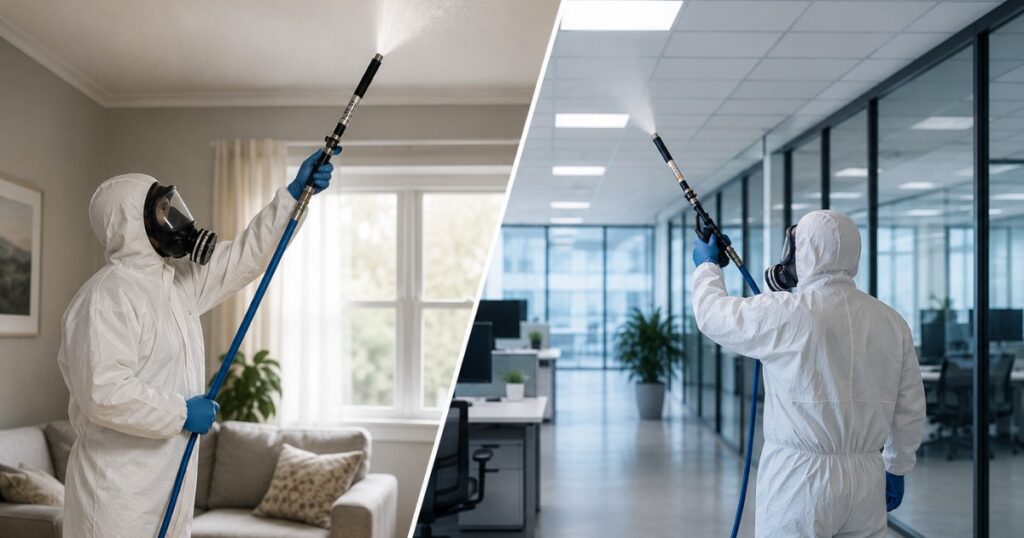
Methamphetamine contamination is a serious issue that can affect a wide range of properties across New Zealand. Whether contamination occurs in a family home, rental property, office building, retail store, warehouse, or industrial facility, professional meth cleaning is essential to restore a safe and healthy environment. While the goal of meth decontamination remains the same—removing harmful methamphetamine residues—the process can vary significantly between residential and commercial properties. Differences in building size, occupancy, regulations, business operations, and contamination levels all influence how cleaning and remediation are approached. Understanding these differences can help property owners, landlords, business operators, and property managers make informed decisions when contamination is suspected or confirmed. What Is Meth Contamination? Meth contamination occurs when methamphetamine residues settle on surfaces after the drug has been used, manufactured, stored, or transported within a property. These residues can accumulate on: Because meth contamination is often invisible, professional testing is usually required to determine whether contamination exists and to what extent. According to New Zealand’s NZS 8510:2017 standards, contaminated properties should be assessed and remediated using recognised testing and cleaning procedures to ensure safe occupancy. Why Professional Meth Cleaning Is Important Regardless of property type, meth contamination can create several challenges. Potential concerns include: Professional meth cleaning services help remove contamination while providing documentation that supports future property transactions and occupancy requirements. Kiwi Meth Xpert specialises in both residential and commercial meth decontamination services throughout New Zealand, helping property owners restore contaminated environments safely and efficiently. Understanding Residential Meth Cleaning Residential meth cleaning focuses on homes and living environments. This category includes: The primary objective is to restore a safe living environment for occupants. Common Causes of Residential Contamination Residential contamination may occur due to: In many cases, homeowners are unaware that contamination exists until they purchase the property, prepare it for sale, or conduct testing between tenancies. Residential Cleaning Priorities Residential remediation focuses heavily on protecting occupants. Special attention is often given to: Because families spend significant amounts of time inside their homes, thorough cleaning and verification are essential. Understanding Commercial Meth Cleaning Commercial meth cleaning involves workplaces and business environments. Examples include: Commercial properties often present unique challenges due to their size, layout, and operational requirements. Common Causes of Commercial Contamination Commercial contamination can occur through: Unlike residential properties, contamination in commercial buildings can sometimes affect larger areas due to extensive ventilation systems and interconnected workspaces. Commercial Cleaning Priorities Commercial remediation often focuses on: Business owners typically require solutions that minimise operational disruptions while ensuring contamination is effectively addressed. Key Difference #1: Property Size and Complexity One of the most obvious differences between residential and commercial meth cleaning is property size. Residential Properties Most homes have relatively straightforward layouts with: This generally allows contamination assessments and cleaning procedures to be completed more quickly. Commercial Properties Commercial properties can be significantly larger and more complex. Examples may include: Additional considerations often include: As a result, commercial projects often require more extensive planning and coordination. Key Difference #2: Occupancy Requirements Occupancy needs vary significantly between residential and commercial properties. Residential Occupancy Families typically require: Temporary relocation may sometimes be necessary during extensive decontamination projects. Commercial Occupancy Businesses often need: Commercial cleaning plans are frequently designed around business schedules to reduce operational interruptions. Key Difference #3: Ventilation Systems Ventilation systems play an important role in contamination management. Residential Ventilation Homes usually feature: While contamination can spread through these systems, remediation is often more straightforward. Commercial Ventilation Commercial properties frequently have: Contamination can spread across larger areas, making professional assessment particularly important. Kiwi Meth Xpert includes ventilation and air handling considerations as part of their comprehensive commercial cleaning services. Key Difference #4: Documentation Requirements Documentation is valuable in both residential and commercial remediation projects. Residential Documentation Homeowners and landlords often require: These documents provide confidence for buyers, tenants, insurers, and property managers. Commercial Documentation Commercial properties often require additional documentation for: Detailed reporting is particularly important when businesses operate in regulated industries. Key Difference #5: Business Continuity Considerations Business continuity is a major factor in commercial meth cleaning. Residential Projects While homeowners want remediation completed quickly, temporary inconvenience is often manageable. Commercial Projects Businesses may face: Professional commercial cleaning providers often develop phased remediation strategies to minimise downtime and maintain operations wherever possible. Key Difference #6: Equipment and Asset Protection Commercial properties frequently contain valuable assets that require special attention. Residential Assets Typical residential assets include: Commercial Assets Commercial environments may contain: Specialised cleaning methods may be required to protect these assets during remediation. Key Difference #7: Cost Factors Several factors influence remediation costs. Residential Cleaning Costs Factors may include: Commercial Cleaning Costs Commercial costs may be influenced by: Each property requires individual assessment before remediation plans are developed. The Meth Cleaning Process: Similarities Between Residential and Commercial Properties Despite their differences, residential and commercial meth cleaning share several important steps. Initial Assessment A professional inspection is conducted to identify contamination concerns. Meth Testing Surface sampling helps determine contamination levels and affected areas. Remediation Planning A cleaning strategy is developed based on property type and contamination findings. Professional Decontamination Specialised cleaning products and procedures are used to remove contamination. Verification Testing Post-remediation testing confirms the effectiveness of cleaning efforts. Kiwi Meth Xpert follows structured remediation processes that align with recognised New Zealand standards and industry best practices. Why DIY Cleaning Is Not Recommended Many property owners attempt to address contamination themselves. However, DIY cleaning often presents challenges: Professional remediation provides a more comprehensive and reliable solution. Why Choose Kiwi Meth Xpert? Kiwi Meth Xpert provides specialised meth contamination services for both residential and commercial properties throughout New Zealand. Their services include: Using industry-approved methods and environmentally responsible cleaning products, Kiwi Meth Xpert helps restore safe environments while supporting compliance with NZS 8510:2017 standards. Their experienced team understands the unique requirements of both homeowners and businesses, delivering tailored solutions for every property type. Final Thoughts While residential and commercial meth cleaning share the same ultimate objective—removing contamination and restoring safe environments—the approach can vary
The Complete Guide to Meth Car Decontamination: What Every Vehicle Owner Should Know
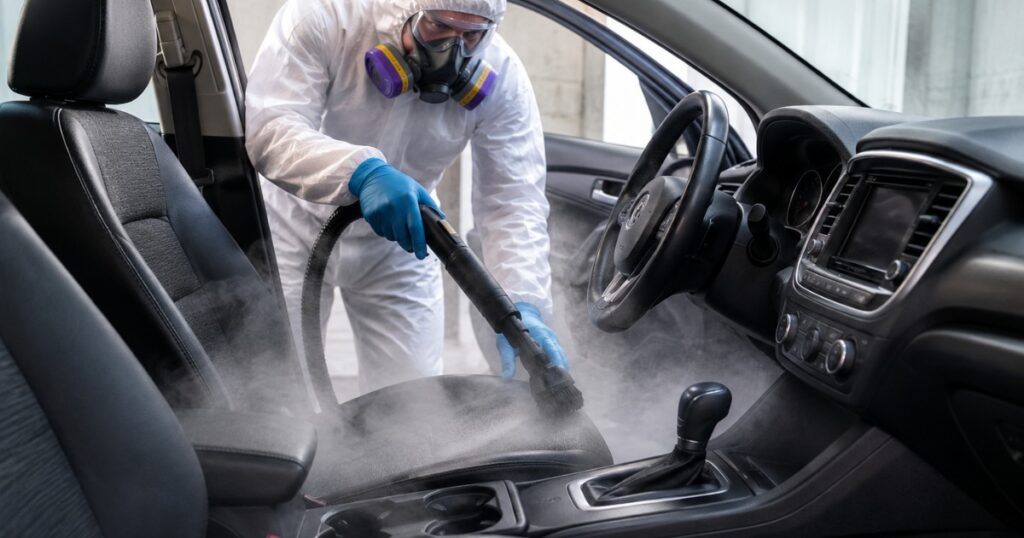
Most people associate meth contamination with homes and commercial properties, but vehicles can also become contaminated by methamphetamine use, storage, transportation, or manufacturing-related activities. Unfortunately, many vehicle owners are unaware that meth residue can remain inside a car long after the source of contamination has been removed. Whether you are purchasing a used vehicle, managing a fleet, leasing vehicles, or simply concerned about the history of your car, understanding meth car contamination is essential. Professional meth car decontamination services help restore vehicles to a safe, clean, and healthy condition while protecting drivers, passengers, and future owners. In this comprehensive guide, we’ll explore everything vehicle owners need to know about meth contamination, testing, cleaning, and professional decontamination services. What Is Meth Car Contamination? Methamphetamine contamination occurs when meth residues are deposited on surfaces inside a vehicle. This can happen through: Unlike visible dirt or stains, meth contamination is often invisible. Residues can settle on seats, carpets, dashboards, headliners, air-conditioning systems, door panels, and other interior surfaces. Without proper testing and cleaning, these residues may remain for extended periods. Professional meth car decontamination services are specifically designed to identify and remove these contaminants. Why Vehicle Meth Contamination Matters Many people underestimate the importance of vehicle decontamination. However, contaminated vehicles can present several challenges. Health and Safety Concerns Meth residues may accumulate on frequently touched surfaces throughout the vehicle. Professional cleaning helps reduce potential exposure risks and creates a cleaner environment for drivers and passengers. Kiwi Meth Xpert notes that meth contamination in vehicles may pose concerns for vulnerable individuals and pets, making remediation an important consideration. Reduced Vehicle Value A vehicle suspected of meth contamination may be less attractive to buyers. Disclosure concerns and remediation costs can negatively impact resale value. Leasing and Fleet Risks Businesses operating leased vehicles, company cars, taxis, rideshare vehicles, and transport fleets may wish to ensure vehicles remain free from contamination issues to protect employees and customers. Peace of Mind Professional assessment and cleaning provide confidence that your vehicle has been restored to a safe and usable condition. How Vehicles Become Contaminated Vehicle contamination can occur in various ways. Recreational Meth Use The most common source of contamination is repeated meth use inside a vehicle. Smoke and airborne particles can settle on interior surfaces and ventilation systems. Drug Transportation Vehicles used to transport methamphetamine or contaminated materials may develop contamination even when no drug use occurs inside the vehicle. Secondary Contamination Furniture, clothing, bags, or personal belongings exposed to meth contamination can introduce residues into an otherwise clean vehicle. Criminal Activity Vehicles involved in illegal drug operations often experience higher levels of contamination due to repeated exposure and handling of methamphetamine products. Common Signs of Meth Contamination in a Vehicle Meth contamination is not always obvious. However, some warning signs may indicate the need for professional testing. Persistent Chemical Odours Strong chemical, ammonia-like, or solvent-type smells that remain despite cleaning may warrant investigation. Sticky Interior Surfaces Residues can sometimes leave surfaces feeling sticky, greasy, or unusually dirty. Stained Upholstery Discolouration on seats, carpets, or headliners may indicate contamination or previous drug-related activity. Unexplained Vehicle History Vehicles purchased through auctions, repossessions, private sales, or fleet disposals may have unknown histories that justify testing. Occupant Concerns Passengers or drivers experiencing unusual reactions while inside the vehicle may choose to investigate environmental causes. While these signs do not confirm meth contamination, they may indicate the need for professional assessment. Why Standard Car Cleaning Is Not Enough Many vehicle owners assume that shampooing carpets or wiping surfaces will remove contamination. Unfortunately, meth residues can penetrate porous materials and settle in hard-to-reach areas. Standard detailing typically focuses on appearance rather than contamination removal. Potentially affected areas include: Professional decontamination follows specialised procedures designed specifically for meth residue removal rather than cosmetic cleaning alone. Kiwi Meth Xpert utilises industry-approved cleaning methods and equipment to clean all interior vehicle surfaces thoroughly. The Importance of Professional Meth Testing Testing is often the first step in determining whether contamination exists. Professional testing helps: Kiwi Meth Xpert also offers instant meth testing solutions that can assist in identifying contamination concerns before remediation begins. Their testing products have been independently assessed to support reliable screening results. The Meth Car Decontamination Process Professional meth car decontamination follows a structured process designed to remove contamination efficiently and safely. Step 1: Initial Assessment The vehicle undergoes a detailed inspection to identify contamination concerns and determine the extent of remediation required. Step 2: Testing and Sampling Surface testing may be conducted to identify contamination levels and affected areas. Step 3: Preparation Contaminated areas are identified, and the vehicle is prepared for cleaning. Step 4: Deep Cleaning Specialised cleaning agents and equipment are used to clean: Kiwi Meth Xpert’s vehicle cleaning service includes comprehensive cleaning of upholstery, carpets, ventilation systems, and interior surfaces using advanced cleaning techniques. Step 5: Ventilation System Cleaning Air-conditioning and ventilation systems often require additional attention because residues can accumulate within ductwork and filters. Step 6: Verification Post-cleaning assessments may be performed to verify the effectiveness of the remediation process. Why Professional Decontamination Is Worth the Investment Professional services provide benefits that extend beyond simple cleaning. Expertise Specialists understand contamination pathways and effective remediation methods. Industry Standards Professional providers follow established procedures and recognised decontamination practices. Advanced Equipment Specialised tools and products are often required to access hidden contamination. Documentation Testing and remediation records can be useful for future buyers, insurers, fleet operators, and leasing companies. Better Outcomes A professional approach helps ensure contamination is addressed thoroughly rather than superficially. Buying a Used Vehicle? Consider Meth Testing Used vehicle buyers often focus on mechanical inspections, accident history, and service records. However, environmental contamination is another factor worth considering. Testing may be valuable when: A relatively small investment in testing can provide confidence before completing a purchase. Fleet and Commercial Vehicle Considerations Businesses operating vehicles have additional responsibilities. Industries that may benefit from routine testing include: Maintaining contamination-free vehicles helps protect staff, customers, and business reputation. Eco-Friendly Meth Decontamination