Meth residue can settle on more than just one dirty-looking surface. It can remain on walls, floors, ceilings, fittings and other parts of a property, often without any obvious sign. That is why meth residue removal NZ services focus on identifying affected areas and using the right cleaning approach for each surface.
For New Zealand property owners, landlords, buyers and property managers, understanding which surfaces may need professional attention can make the cleaning and decontamination process clearer.
This guide explains where meth residue can collect, why ordinary household cleaning may not be enough, and when professional meth residue removal NZ services should be considered.
What Is Meth Residue?
Meth residue is the chemical residue that can remain after methamphetamine has been used, smoked, manufactured or otherwise introduced into a property.
The residue may settle on surfaces through smoke, vapour, dust and repeated contact. It can be difficult to see, which means a property can look clean while still requiring further assessment.
New Zealand guidance around methamphetamine contamination has changed over time. For current requirements relating to rental properties, testing and contamination management, property owners should refer to the latest information from Tenancy Services.
The Building CodeHub also provides technical resources relating to remediation of meth-contaminated buildings and NZS 8510.
Why Meth Residue Removal NZ Requires More Than Ordinary Cleaning
Regular cleaning is designed to remove everyday dirt, dust, grease and marks. Meth residue removal NZ is different because the objective is to deal with contamination rather than simply improve the appearance of a room.
Wiping a wall, vacuuming a carpet or mopping a floor may make a property look cleaner, but these actions do not automatically demonstrate that contamination has been adequately addressed.
The correct approach depends on:
- The type of surface
- Whether the material is porous or non-porous
- The location of the residue
- The level and extent of contamination
- The condition of the material
- The results of appropriate testing
- The remediation requirements for the property
Professional meth residue cleaning therefore needs to be planned around the property rather than treated as a standard house-cleaning job.
Which Surfaces Can Have Meth Residue?
Meth contamination can affect many areas of a property. Commonly considered surfaces include:
- Walls and ceilings
- Painted surfaces
- Doors and door frames
- Floors
- Timber and other hard surfaces
- Kitchen cabinets and cupboards
- Bathroom fittings
- Windows and window frames
- Light switches and other frequently touched fittings
- Furniture and fixtures
- Carpets and other floor coverings
- Curtains and soft furnishings
- Air-conditioning and ventilation components
This does not mean every surface will require the same treatment. A professional assessment can help determine where meth contaminated surfaces need attention and what cleaning or remediation approach is appropriate.
Meth Cleaning Surfaces: Hard Surfaces vs Porous Materials
One of the most important parts of meth cleaning surfaces is understanding the difference between materials.
Hard, Non-Porous Surfaces
Hard surfaces are generally easier to clean than porous materials because residue may remain closer to the surface.
Depending on the property and contamination assessment, areas such as:
- Painted walls
- Doors
- Cabinets
- Benchtops
- Tiles
- Glass
- Metal fittings
- Some sealed flooring
may be suitable for specialist cleaning.
However, the fact that a surface is hard does not automatically mean a simple wipe will remove contamination. The cleaning method still needs to be suitable for the surface and the contamination involved.
Kiwi Meth Xpert provides professional meth house decontamination services for properties requiring specialist cleaning.
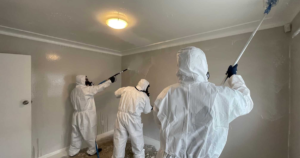
Removing Meth Residue From Walls
Removing meth residue from walls can be more complicated than repainting.
A wall may have several layers or materials, including paint, plasterboard, wallpaper or other finishes. The condition of the surface can also affect the appropriate remediation approach.
Simply painting over a suspected contaminated wall is not the same as meth residue removal NZ.
Professional cleaning may involve assessing the surface first and determining whether it can be effectively treated or whether additional remediation is required.
This is particularly important where contamination has affected a large area or where previous cleaning has already taken place.
Removing Meth Residue From Carpets
Removing meth residue from carpets presents a different challenge.
Carpet is a porous material, so contamination cannot always be treated in the same way as a sealed hard surface. The carpet backing, underlay and surrounding areas may also need consideration.
Kiwi Meth Xpert states that its Apple Environmental Meth Remover product cannot clean porous materials such as carpets, curtains and soft furnishings.
That distinction is important.
A normal carpet clean may improve appearance and remove ordinary dirt, but it should not automatically be described as meth contamination residue removal.
Where porous materials are involved, a professional assessment can help determine whether cleaning, removal or another remediation approach is appropriate.
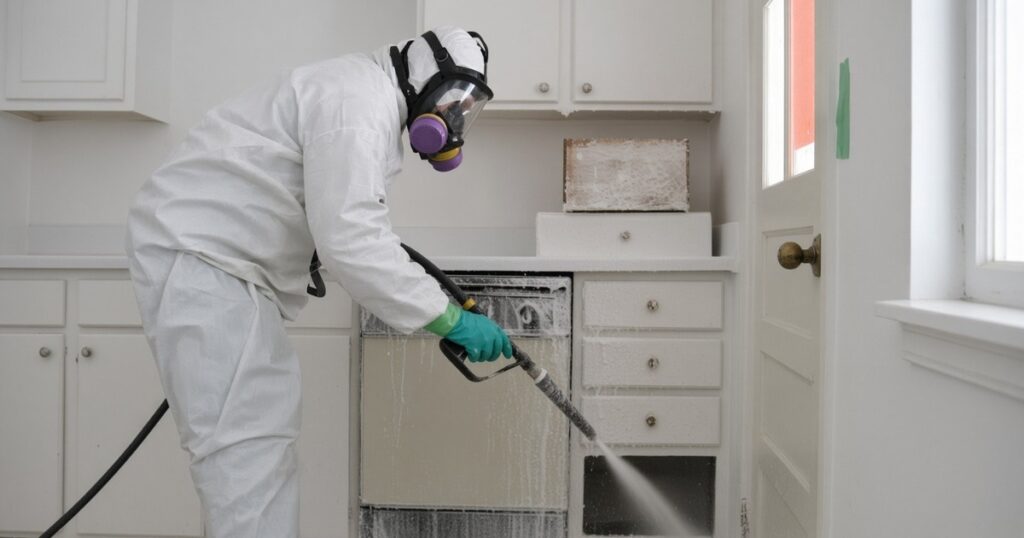
Meth Contamination Residue Removal in Kitchens and Bathrooms
Kitchens and bathrooms contain many different surfaces in a relatively small space.
A kitchen may include:
- Cabinets
- Splashbacks
- Benchtops
- Appliances
- Walls
- Floors
- Handles and fittings
Bathrooms may include:
- Tiles
- Vanity units
- Mirrors
- Fixtures
- Walls
- Flooring
- Storage areas
Because these areas contain a mixture of materials, meth contamination residue removal should consider each surface rather than treating the entire room in exactly the same way.
Professional cleaning can help identify areas that need targeted treatment.
What About Doors, Handles and Other Frequently Touched Surfaces?
Frequently touched surfaces deserve attention during a professional meth residue cleaning assessment.
These can include:
- Door handles
- Light switches
- Cabinet handles
- Handrails
- Tap handles
- Remote controls
- Frequently used fixtures
These areas may receive repeated contact from occupants, but their contamination status cannot be determined simply by looking at them.
Testing and professional assessment can help establish whether these surfaces require further remediation.
Air Conditioning and Ventilation Areas
Ventilation systems can also require consideration when assessing meth contaminated surfaces.
Air-conditioning units, vents and related components can collect dust and residues. The correct approach depends on the system, contamination circumstances and assessment findings.
This is one reason professional meth cleaning NZ services should consider the property as a whole rather than focusing only on visible walls and floors.
Kiwi Meth Xpert’s commercial cleaning service states that its professional cleaning can include walls, floors, ceilings and ventilation systems.
Can You Remove Meth Residue Yourself?
It is understandable that property owners may want to start cleaning as soon as they discover possible contamination.
However, meth contamination is different from normal household dirt.
Before beginning extensive cleaning, it is sensible to establish:
- Whether contamination is actually present.
- Which areas may be affected.
- What type of materials are involved.
- What cleaning or remediation approach is appropriate.
- Whether professional testing or remediation is required.
The current Tenancy Services guidance explains the distinction between screening and detailed testing for rental properties.
For this reason, avoid assuming that a DIY cleaning job has resolved a contamination issue simply because the property looks clean.
When Should You Arrange Professional Meth Residue Removal NZ?
Professional help may be appropriate when:
- Testing indicates contamination.
- A property has a known history of meth use or manufacture.
- Previous occupants raise contamination concerns.
- A property has persistent residue or staining that requires investigation.
- A rental property requires professional remediation.
- A property owner is unsure which materials may have been affected.
- Previous cleaning has not resolved the contamination concern.
- Porous materials or difficult-to-access areas may be involved.
- You need a structured remediation process.
For businesses and workplaces, WorkSafe New Zealand also provides guidance on managing risks from hazardous substances and workplace exposure.
How Professional Meth Residue Removal NZ Works
A professional meth residue removal NZ service generally starts with understanding the contamination rather than immediately applying cleaning products everywhere.
1. Assessment
The property is assessed to understand the suspected contamination and the materials involved.
2. Testing
Appropriate testing can help identify whether contamination is present and where further investigation may be required.
3. Remediation Planning
The cleaning approach is matched to the property, affected areas and materials.
4. Specialist Cleaning
Professional cleaners use appropriate products, equipment and procedures to treat affected surfaces.
5. Material Decisions
Where a material cannot be effectively remediated, further action may be required. The decision should be based on the contamination assessment and remediation requirements rather than guesswork.
6. Post-Cleaning Verification
Where required, testing after remediation can help establish whether the cleaning work has achieved the intended result.
Kiwi Meth Xpert explains its own cleaning approach and testing process on its professional meth cleaning services page.
Why Surface-Specific Cleaning Matters
There is no single cleaning method that works equally well for every material.
For example:
Painted wall: may require specialist surface treatment.
Tile: may respond differently to a sealed wall or painted surface.
Carpet: is porous and requires a different assessment.
Curtains: may need separate consideration because of their material.
Ventilation components: may require access and specialist attention.
This is why professional meth residue cleaning should focus on the actual materials present in the property.
The aim is not simply to make a contaminated property look clean. The aim is to follow an appropriate remediation process based on the circumstances and applicable requirements.
Meth Residue Removal NZ: Why Professional Assessment Can Save Time
Trying several household cleaning methods without first understanding the contamination can create unnecessary work.
You may clean a room only to discover that another affected area has been missed. You may also spend money cleaning materials that ultimately require replacement.
Professional meth residue removal NZ can provide a more structured approach:
Assess → Test → Plan → Clean → Remediate → Verify
That approach helps property owners make decisions based on evidence rather than appearance alone.
Choosing a Meth Cleaning NZ Professional
When comparing meth cleaning NZ providers, look beyond a standard cleaning checklist.
Consider whether the provider:
- Understands meth contamination and remediation.
- Uses appropriate cleaning methods.
- Can explain how different surfaces are treated.
- Understands the difference between porous and non-porous materials.
- Can explain the testing and verification process.
- Works with relevant New Zealand standards and guidance.
- Provides a clear scope of work.
- Can explain what happens if materials cannot be effectively remediated.
Kiwi Meth Xpert provides professional meth decontamination services for homes, commercial properties and vehicles across its service areas in New Zealand. Its services include house decontamination, commercial cleaning and vehicle decontamination.
Meth Residue Removal NZ: The Key Takeaway
Meth contamination is not simply a matter of visible dirt.
Residue can affect different materials in different ways, from painted walls and hard surfaces to carpets, curtains, furniture and ventilation areas. That is why meth residue removal NZ needs a surface-specific approach.
If contamination has been confirmed or is strongly suspected, professional assessment and remediation can help determine what needs to be cleaned, what may need further treatment and what should be considered for removal.
For property owners who need professional help, Kiwi Meth Xpert’s meth house decontamination service provides a dedicated option for addressing contaminated properties.
Need Professional Meth Residue Removal NZ?
Don’t rely on appearance alone when you are dealing with suspected meth contamination.
Kiwi Meth Xpert provides professional meth residue removal NZ, meth cleaning and decontamination services designed to help property owners address contamination properly.
Need advice about a potentially contaminated property?
Contact Kiwi Meth Xpert for a professional meth decontamination assessment and quote.