Meth property disclosure is an important part of selling a New Zealand property when there is a known or suspected history of methamphetamine contamination.
Selling a property involves more than preparing the house, setting a price and finding a buyer. Sellers and real estate agents also need to consider information that could affect a buyer’s decision.
Meth property disclosure matters because contamination may not be visible.
A property can look clean and well maintained while still having a history of methamphetamine contamination. Previous testing, remediation work, suspected manufacture or other relevant information may need careful consideration before the property goes on the market.
In 2026, New Zealand has updated rules for managing methamphetamine contamination in rental properties, while the Real Estate Authority (REA) has also published guidance for licensed real estate professionals dealing with methamphetamine disclosure.
This guide explains meth property disclosure NZ requirements, what sellers should tell their agents, what agents should consider and when testing or professional decontamination may be appropriate.
What Is Meth Property Disclosure?
Meth property disclosure means dealing openly with relevant information about known or suspected methamphetamine contamination.
When a seller knows that a property has been tested for methamphetamine, has previously been contaminated or has undergone decontamination, that information should not simply be ignored.
Sellers should provide relevant information to their real estate agent and discuss the appropriate disclosure process.
The REA provides specific guidance about methamphetamine disclosure for licensed real estate professionals.
You can read the latest official guidance directly from the Real Estate Authority – Methamphetamine Disclosure Guidance.
For sellers, the practical first step is simple: tell your agent what you know and provide the supporting records you have.
Why Meth Property Disclosure Matters in 2026
Meth property disclosure has become an even more important property issue following the 2026 regulatory changes.
The Residential Tenancies (Managing Methamphetamine Contamination) Regulations 2026 came into force on 16 April 2026. The regulations introduced clearer requirements around testing, contamination and decontamination for rental properties.
The current rental-property framework uses 15 µg/100 cm² as the maximum acceptable level. Where an affected area exceeds that level, the relevant area must be decontaminated according to the applicable requirements.
A level above 30 µg/100 cm² can also have implications for whether a rental property is considered uninhabitable under the regulations.
These rental rules should not be confused with every obligation involved in a property sale.
For the latest rental-property requirements, sellers, landlords and agents can refer to Tenancy Services – Meth and Rental Properties.
What Sellers Need to Know About Meth Property Disclosure
Sellers should raise any known meth contamination history before the property is marketed.
If your property has previously tested positive for methamphetamine, tell your real estate agent.
Relevant information may include:
- Previous meth testing
- Screening results
- Detailed laboratory testing
- Areas where contamination was identified
- Previous remediation
- Cleaning or decontamination invoices
- Post-remediation testing
- Property-management records
- Insurance information
- Known history of methamphetamine manufacture
- Other credible information relating to contamination
Do not assume an old contamination report is irrelevant simply because the property was cleaned afterwards.
The history, testing results and remediation records can help explain what happened and what action was taken.
Keep Your Meth Testing and Remediation Records
Good records make meth property disclosure much easier.
Before listing your property, collect any documents relating to previous contamination.
Keep copies of:
- Meth testing reports
- Laboratory results
- Sampling information
- Remediation reports
- Cleaning invoices
- Contractor details
- Post-remediation testing
- Insurance correspondence
- Property-management records
A documented history is more useful than simply telling a buyer that the property was “cleaned”.
If you are unsure whether your property needs testing, our guide on how meth contamination testing protects your home, family and investment explains why testing can help identify contamination and determine whether further remediation may be required.
Should You Test Before Selling?
Meth testing before selling can provide useful information when there is a genuine contamination concern.
A seller does not automatically need to test every property before putting it on the market.
However, testing may be worth considering where there is:
- A previous positive test
- A known contamination history
- A suspected methamphetamine manufacturing history
- Information suggesting heavy methamphetamine use
- Missing or unclear previous testing records
- A previous decontamination where current results are uncertain
Testing can help establish the property’s current condition.
Kiwi Meth Xpert provides meth testing and decontamination services across New Zealand. Its testing information explains how professional assessment can help identify contamination and determine the next steps.
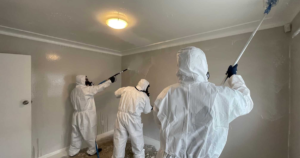
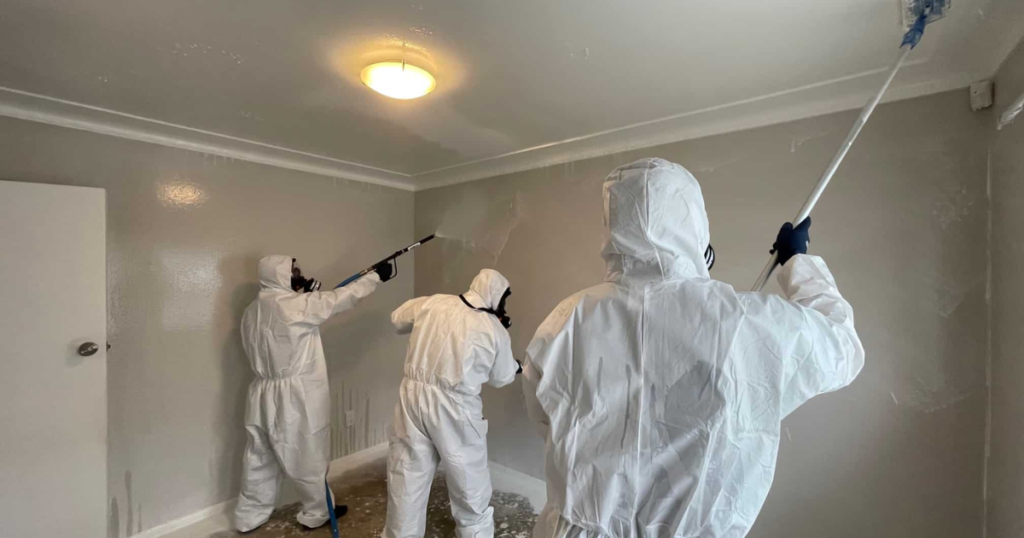
If contamination is confirmed, the next step may involve professional remediation. Learn more about professional meth house decontamination services.
What Real Estate Agents Need to Know About Meth Property Disclosure
Real estate agents play an important role in managing meth property disclosure conversations with vendors and buyers.
Agents should ask the vendor whether they know about previous methamphetamine contamination or testing.
The agent should also request relevant documentation where appropriate and discuss disclosure with the vendor.
The REA’s guidance specifically addresses methamphetamine disclosure and the responsibilities of licensed real estate professionals.
Agents should avoid making technical claims about contamination without reliable evidence.
Instead, they should work with the information available and obtain appropriate professional or legal advice where the situation is unclear.
Read the current REA methamphetamine disclosure guidance before making decisions about a specific transaction.
Does an Agent Have to Disclose Suspected Meth Contamination?
Suspected contamination can raise disclosure questions even when there is no confirmed test result.
An agent should not automatically dismiss information simply because contamination has not been scientifically confirmed.
If credible information suggests possible contamination, the agent should discuss the situation with the vendor and consider the relevant disclosure requirements.
The correct approach depends on the information available and the circumstances of the property.
Where the situation is complex, the seller or agent should obtain appropriate legal advice rather than making assumptions.
What If the Property Has Already Been Decontaminated?
Previous contamination does not automatically mean the property cannot be sold.
A property may have had meth contamination in the past and later undergone professional decontamination.
In this situation, keep the complete record.
Useful documents include:
- Original testing results
- Areas identified as contaminated
- Decontamination documentation
- Cleaning records
- Contractor information
- Post-remediation testing
- Final reports
The more complete the documentation, the easier it can be to explain the property’s history.
Kiwi Meth Xpert’s meth house decontamination service explains its approach to professional property decontamination and cleaning.
What Do the 15 µg and 30 µg Levels Mean?
Understanding the 15 µg and 30 µg levels helps sellers and agents avoid confusion.
Under the 2026 rental-property regulations, 15 µg/100 cm² is the maximum acceptable level for methamphetamine contamination.
Where an affected area exceeds 15 µg/100 cm², the area is considered contaminated under the rental-property framework and must be managed according to the applicable requirements.
The 30 µg/100 cm² level is relevant to the rules concerning whether a rental property is considered uninhabitable.
These figures are particularly important for rental properties and should not automatically be treated as a complete legal test for every property sale.
For the current official requirements, refer to Tenancy Services – Guidelines on Meth Contamination.
Meth Property Disclosure and Buyers
Buyers may want to understand the property’s meth contamination history before making an offer.
If a property has a known or suspected contamination history, buyers may ask:
- Has the property ever been tested?
- When was it tested?
- What were the results?
- Which areas were affected?
- Was professional decontamination completed?
- Is post-remediation testing available?
- Are the original reports available?
- Has there been any known history of methamphetamine manufacture?
A buyer can then discuss the information with their lawyer or property professional.
Kiwi Meth Xpert’s guide, 7 Important Facts About Meth Residue in Homes Every NZ Buyer Should Know, covers questions buyers can consider when a property has a possible contamination history.
Do Not Rely on a Standard Building Inspection Alone
A standard building inspection and meth testing look at different property issues.
A building inspection may assess:
- Structure
- Roofing
- Plumbing
- Moisture
- Electrical systems
- General building condition
Meth testing is designed to assess methamphetamine residue.
A property can therefore appear structurally sound while still requiring meth contamination assessment.
If there is a genuine concern about methamphetamine contamination, consider professional testing separately from the standard property inspection.
Why Professional Meth Testing Can Help
Professional testing provides evidence that can help sellers, buyers and agents understand the property.
Methamphetamine residue is often invisible. A property may look clean without providing any reliable indication of its contamination status.
Kiwi Meth Xpert explains that professional testing can help identify whether contamination is present and whether further remediation may be required.
Testing should be appropriate for the property and circumstances.
For rental properties, Tenancy Services provides specific requirements for screening, detailed testing and decontamination under the current regulations.
What Happens If Meth Contamination Is Found Before a Sale?
A positive result should lead to a structured assessment rather than panic.
1. Review the Test Results
Start by understanding exactly what the report says.
Look at the affected areas, results and testing method.
2. Get Professional Advice
Use the results to determine the appropriate next step.
A qualified testing or remediation professional can help explain the available options.
3. Complete Appropriate Decontamination
If remediation is required, deal with the affected areas properly.
The appropriate method depends on the property, materials, contamination levels and requirements that apply.
4. Complete Follow-Up Testing
Post-remediation testing helps establish whether the required outcome has been achieved.
For rental properties, current Tenancy Services guidance sets out requirements for post-decontamination testing.
5. Keep All Documentation
Store the testing and remediation records together.
These documents can become important when explaining the property’s contamination history during a future transaction.
Meth Property Disclosure Checklist for Sellers
Use this checklist before listing a property with a possible meth contamination history.
☐ Check whether the property has ever been tested.
☐ Find previous testing reports.
☐ Find previous remediation documents.
☐ Check whether post-remediation testing was completed.
☐ Tell your real estate agent about known or suspected contamination.
☐ Give your agent copies of relevant reports.
☐ Discuss the disclosure process with your agent and lawyer.
☐ Consider professional testing if the current condition is uncertain.
☐ Avoid unsupported claims such as “100% meth-free”.
☐ Keep all records for future reference.
Meth Property Disclosure Checklist for Real Estate Agents
A structured disclosure process can help agents manage relevant property information.
☐ Ask the vendor about known meth contamination.
☐ Ask whether previous testing has been completed.
☐ Request available reports.
☐ Ask about previous remediation.
☐ Check whether post-remediation testing is available.
☐ Discuss relevant information with the vendor.
☐ Follow current REA guidance.
☐ Avoid making unsupported technical claims.
☐ Keep appropriate transaction records.
☐ Recommend professional or legal advice where necessary.
Common Meth Property Disclosure Mistakes
Avoiding simple mistakes can reduce confusion during a property transaction.
Assuming a Clean House Has No Meth Residue
Appearance does not prove the absence of contamination.
Meth residue may not be visible.
Hiding an Old Testing Report
Previous testing may form part of the property’s relevant history.
Discuss available records with your agent and lawyer.
Treating Normal Cleaning as Decontamination
Ordinary house cleaning is not automatically meth decontamination.
The correct process depends on the contamination findings and applicable requirements.
Ignoring Suspicious Information
Unconfirmed information should not simply be dismissed without consideration.
If credible information raises concerns, discuss whether further assessment is appropriate.
Making Unsupported “Meth-Free” Claims
Use evidence instead of broad marketing statements.
If professional testing has been completed, keep the report available.
Does Meth Contamination Affect Property Value?
Meth contamination can create additional questions during a property transaction.
A buyer may want to understand the contamination history, testing results, remediation work and current condition before proceeding.
The effect on a particular property’s value or marketability depends on its individual circumstances.
Factors can include:
- Contamination history
- Test results
- Areas affected
- Remediation status
- Property condition
- Available documentation
- Buyer requirements
Sellers should focus on providing accurate information rather than making assumptions about how buyers will respond.
What Sellers Should Do Before Listing
Preparing your records before marketing can make meth property disclosure much easier.
First, Gather Your Records
Find all previous testing and remediation documents.
Next, Tell Your Agent
Explain any known or suspected contamination history before advertising begins.
Then, Consider Testing
If the current condition is uncertain, professional testing may provide useful information.
Finally, Discuss the Transaction With Your Lawyer
Your lawyer can advise you about your specific circumstances and the appropriate disclosure process.
Taking these steps early can help prevent avoidable surprises later in the transaction.
How Kiwi Meth Xpert Can Help
Professional meth testing and decontamination can help property owners deal with contamination concerns before selling.
Kiwi Meth Xpert provides meth contamination testing and professional decontamination services for properties across New Zealand.
The company provides professional meth house decontamination services and explains its approach to restoring properties affected by methamphetamine contamination.
You can also read:
- How Meth Contamination Testing Protects Your Home, Family and Investment
- 7 Important Facts About Meth Residue in Homes
- Signs Your Property May Need Professional Meth Decontamination Services
- Meth Cleaning After Tenant Moves Out
These related resources provide useful supporting information for property owners, landlords, property managers and buyers.
Final Thoughts on Meth Property Disclosure NZ
Meth property disclosure should be handled carefully, openly and with reliable information.
The 2026 changes provide clearer rules for managing methamphetamine contamination in rental properties, while the REA provides specific guidance for licensed real estate professionals dealing with methamphetamine disclosure.
For sellers, the practical starting point is to tell your agent about known or suspected contamination and provide relevant records.
For agents, the focus should be on understanding the information available, discussing disclosure with the vendor and following the current REA guidance.
If the property’s current condition is uncertain, professional testing can help establish the facts.
Do not rely on appearance alone. A property can look clean while still requiring proper assessment.
Need Meth Testing Before Selling Your Property?
Deal with meth contamination concerns before they become a problem during your property sale.
If you are a homeowner, seller, landlord, property manager or real estate professional and need help with meth testing or decontamination, Kiwi Meth Xpert can help.
Contact Kiwi Meth Xpert to discuss your property and arrange professional meth testing or decontamination services across New Zealand.