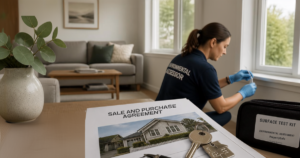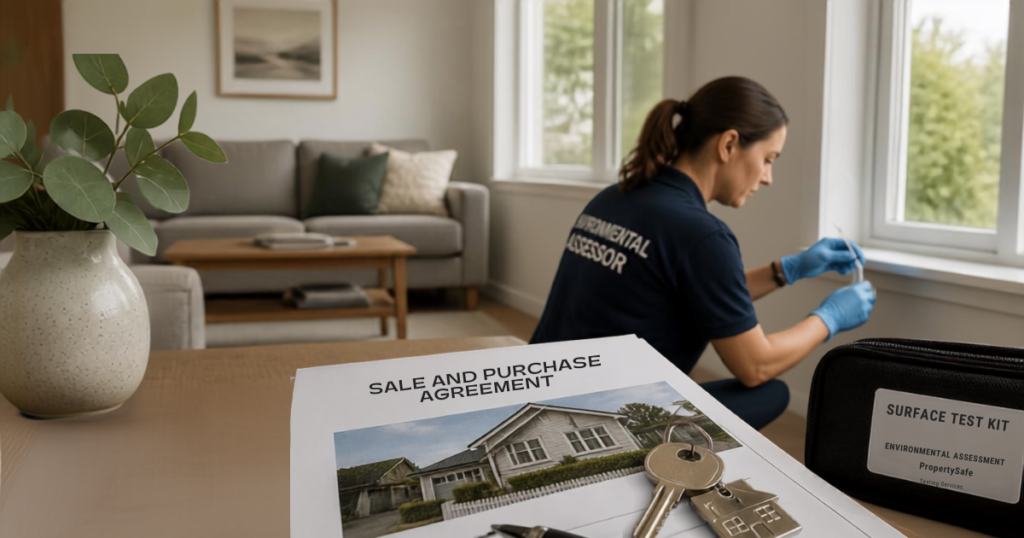
Buying, renting or selling a home is a major decision, and meth residue in homes is an issue that should not be overlooked when there is a genuine reason to suspect contamination.
Methamphetamine residue can remain on household surfaces after meth has been smoked or manufactured inside a property. The residue may not always be visible, which means a home can look clean while still requiring proper assessment.
For buyers, understanding meth residue in homes can help you ask the right questions before making an offer. For renters, it can help you understand your rights and responsibilities if contamination is suspected. For sellers, knowing how to deal with a contaminated property can help prevent delays and disputes.
New Zealand also introduced new rules for managing methamphetamine contamination in rental properties in April 2026. These rules provide clearer thresholds and processes for testing, decontamination and tenancy management.
What Is Meth Residue in Homes?
Understanding what meth residue in homes actually means is the first step for property owners and prospective buyers.
When methamphetamine is smoked or manufactured inside a property, residue can settle on surfaces and materials. This can include walls, ceilings, floors, carpets, furniture and other parts of the home.
You cannot reliably confirm contamination simply by looking at a room. Settled.govt.nz explains that there may be no obvious signs when methamphetamine has been used at a property.
That is why testing can be important when there is a reasonable reason to suspect a property has been affected.
Why Meth Residue in Homes Matters When Buying Property
Buying a home involves more than checking the kitchen, bathroom and bedrooms. You also need to understand potential property risks before committing to the purchase.
If there is credible information suggesting previous methamphetamine production or heavy use, meth residue in homes should form part of your property due diligence.
Settled.govt.nz advises buyers who are concerned about methamphetamine contamination to discuss the issue with their lawyer or real estate agent. Buyers may also consider making a satisfactory toxicology report a condition of their offer where appropriate.
A property inspection can identify many common building issues, but meth contamination requires a different type of assessment.
How Buyers Can Check for Meth Residue in Homes
Knowing what to ask before making an offer can help you make a better-informed property decision.
If you are concerned about meth residue in homes, ask the selling agent whether they are aware of previous contamination, testing or remediation at the property.
You can also ask whether previous meth testing reports are available.
Settled.govt.nz notes that buyers can request information about methamphetamine contamination and may ask their lawyer to include a satisfactory test result as a condition of an offer where appropriate.
A LIM may also contain relevant information if the local council has been notified about methamphetamine use or production at the property. However, the absence of information on a LIM does not automatically prove that a property has never had contamination.
Meth Residue in Homes May Not Be Visible
A clean-looking property is not automatically a contamination-free property.
This is one of the most important things to understand about meth residue in homes. Residue can be present without obvious stains, smells or visible damage.
Some properties may show unusual chemical smells or yellow or brown staining, particularly where methamphetamine has been manufactured. However, these signs are not enough to confirm contamination on their own.
Testing should be based on the circumstances of the property and the level of concern rather than appearance alone.
Meth Testing NZ: When Should a Property Be Tested?
Understanding when testing makes sense can save buyers, sellers and landlords from unnecessary uncertainty.
A property does not automatically need meth testing simply because someone has mentioned methamphetamine. Testing should be considered in the context of the property’s history and any credible information available.
For rental properties, the 2026 regulations provide specific processes for screening assessments and detailed testing. Tenancy Services states that professional testing is required in certain circumstances, including where Police or a council advises that methamphetamine manufacture was likely, or where a legally valid screening test shows results above 15 µg/100 cm².
For buyers, your lawyer or property professional can help you decide whether testing should form part of your purchase conditions.
What Do the 2026 NZ Rules Say About Meth Residue in Homes?
The rules changed in April 2026, so older articles may no longer provide the complete picture.
Under the current residential tenancy rules, a property is considered contaminated when any part has meth residue above 15 µg/100 cm². Those affected areas must be decontaminated until the residue level is 15 µg/100 cm² or below.
If any part of a rental property has meth residue above 30 µg/100 cm², the property is considered uninhabitable under the regulations, subject to the specific rules around remote and inconsequential areas.
These thresholds are particularly important for landlords and tenants because they affect what happens after testing.
You can read the current official guidance on meth and rental properties from Tenancy Services.
Meth Residue in Homes and Rental Properties
Renters have different concerns from home buyers, but understanding meth residue in homes is still important when renting.
Landlords must not knowingly rent out contaminated properties that create health risks. Where a rental property is found to be contaminated, the landlord has responsibilities for managing the situation and arranging decontamination where required.
Tenants also have responsibilities. Using, manufacturing or selling methamphetamine in a rental property is unlawful and can breach tenancy obligations.
If you believe your rental home may be affected, do not simply move out or begin major cleaning without understanding your rights and responsibilities.
What Should Renters Do If They Suspect Meth Residue?
Knowing what to do first can prevent unnecessary stress.
If you suspect meth residue in homes may be present in your rental, raise the concern with your landlord or property manager and keep records of relevant communication.
You may also carry out a valid screening assessment where appropriate. Tenancy Services states that screening assessments can detect the presence of meth residue and indicate whether more detailed testing may be required.
If a screening assessment indicates contamination, the landlord may need to arrange further testing and potentially decontamination.
Do not assume that you are responsible for paying for every stage simply because you live in the property. Responsibility can depend on how the contamination occurred and the circumstances of the tenancy.
Meth Residue in Homes and Landlord Responsibilities
Landlords need to understand their responsibilities before renting out a property affected by methamphetamine.
Under the current rules, landlords must not knowingly rent out properties contaminated with meth. Where a property is contaminated, the landlord must manage the affected areas appropriately and arrange decontamination where required.
The rules also provide requirements around testing, tenant notification and the management of affected properties.
Landlords can review the official Tenancy Services guidelines on meth contamination before deciding what action to take.
Selling a Property With Meth Residue in Homes
Selling a property with known contamination requires careful handling.
If testing has identified meth residue in homes, sellers should not ignore the result and hope it will not affect the sale.
A buyer may request a toxicology report or include a suitable testing condition in the sale and purchase agreement. Settled.govt.nz specifically discusses toxicology reports as one of the possible conditions buyers may use when they are concerned about drug contamination.
Sellers should discuss their circumstances with their lawyer and real estate professional before deciding how to disclose, remediate or negotiate around contamination.
Can Meth Residue in Homes Affect Property Value?
Property contamination can create additional costs and uncertainty during a sale.
The impact of meth residue in homes on a property’s value depends on factors such as the contamination level, affected areas, remediation requirements and the property’s overall condition.
If a property tests above the relevant level, a buyer may request that remediation takes place before settlement. They may also negotiate around the expected cost of the work.
Settled.govt.nz notes that where methamphetamine levels are above 15 µg/100 cm², buyers may seek an estimate for remediation and negotiate with the seller regarding the cost or sale price.
The actual financial impact should be assessed on a case-by-case basis rather than assuming every positive test will result in the same reduction in value.
Meth Residue in Homes: What Happens After a Positive Test?
A positive test does not automatically mean the entire property needs to be stripped and rebuilt.
The next step depends on the test results, affected areas, materials and the applicable requirements.
For rental properties, the 2026 regulations use a room-by-room approach. If one room is above the contamination threshold while another is below it, the affected room may require decontamination while the unaffected room does not.
This is why professional assessment and a clear remediation plan are important.
How Meth Decontamination NZ Works
Professional decontamination focuses on removing meth residue from affected areas and materials.
The exact process depends on what has been contaminated and the level of residue identified.
Tenancy Services states that testing and decontamination of methamphetamine-contaminated properties must follow NZS 8510:2017, with modifications set out under the 2026 regulations for rental properties.
You can learn more about the practical process through Kiwi Meth Xpert’s meth decontamination services.
Why DIY Cleaning May Not Solve Meth Residue in Homes
Normal household cleaning is not the same as professional meth decontamination.
Wiping walls, vacuuming carpets or using general-purpose cleaners may make a property look cleaner, but appearance alone does not confirm that meth residue has been reduced to the required level.
If you are considering cleaning a property yourself, understand the difference between ordinary cleaning and contamination remediation first.
Our guide to DIY vs professional meth cleaning explains some of the key differences.
For rental properties, decontamination must follow the process required by the 2026 regulations.
Meth Residue in Homes Can Affect Furniture and Soft Furnishings
Property owners should not focus only on walls and floors.
Meth residue in homes can also raise questions about carpets, curtains, upholstered furniture and other household contents.
The correct approach depends on the item and the circumstances of the contamination. Some materials may be capable of appropriate cleaning, while others may require removal.
If you are dealing with potentially affected furniture, see our guide to meth contaminated furniture cleaning for more information.
What Buyers Should Ask Before Making an Offer
Asking the right questions can make property due diligence much easier.
If you are concerned about meth residue in homes, consider asking:
- Has the property ever been tested for methamphetamine?
- Are previous testing reports available?
- Has the property ever required meth decontamination?
- Is there any known history of methamphetamine manufacture or heavy use?
- Has the council or Police been involved?
- Are there remediation records available?
- Can a satisfactory meth test be included as a condition of the offer?
Your lawyer can help you decide which conditions are appropriate for your circumstances.
Settled.govt.nz recommends buyers discuss concerns about methamphetamine contamination with their lawyer or real estate agent before making an offer.
What Sellers Should Do Before Listing a Property
Preparation can make a property sale much smoother.
If you already know about meth residue in homes, gather all available testing, cleaning and remediation documents before listing the property.
Speak with your lawyer and real estate agent about the information that needs to be disclosed and how the property should be presented to potential buyers.
If remediation is required, obtaining professional advice before marketing the property can also help you understand the likely costs and timeline.
A clear record of testing and completed remediation can give potential buyers better information when they assess the property.
What Renters Should Know About Contaminated Rental Homes
Tenants should understand that contamination does not automatically mean they must immediately leave their rental property.
The current Tenancy Services guidance states that tenants are not necessarily required to move out while decontamination takes place. Landlords and tenants can discuss relocation arrangements and possible rent reductions, depending on the circumstances.
Where contamination levels make a property uninhabitable, different tenancy termination rules can apply.
If you are affected by a dispute, consider obtaining independent legal or tenancy advice rather than relying on general online information.
Meth Residue in Homes and Your Property Due Diligence
Property due diligence should bring together several types of information.
A building inspection can identify structural and maintenance issues. A LIM can provide council-related information. A meth test can help assess potential contamination where testing is justified.
Together, these checks can give buyers a clearer picture of the property before they commit.
Settled.govt.nz recommends that buyers understand all aspects of a property before making an offer, including issues that may require further investigation.
For more information about testing, you can also read Kiwi Meth Xpert’s guide to how meth contamination testing protects your home, family and investment.
Is Every Positive Meth Test a Reason to Walk Away?
A positive result does not automatically mean you should abandon a property.
The result needs to be understood in context.
The contamination level, affected areas, remediation requirements, cost of cleaning and the terms of the sale all matter.
For example, a property with manageable contamination may be treated differently from a property requiring extensive remediation.
The best decision depends on the available evidence and the advice you receive from your lawyer, property professionals and qualified testing or remediation providers.
How Professional Meth Testing Can Help
Good decisions start with reliable information.
Professional meth testing NZ can help property owners understand whether further assessment or remediation is required.
Testing should follow the appropriate standard and process for the property and situation. Tenancy Services confirms that screening assessments, detailed testing and decontamination must follow the relevant requirements for rental properties.
Kiwi Meth Xpert can help property owners understand the available testing and remediation options.
You can also read our guide to meth residue removal NZ to understand more about managing affected areas.
Meth Residue in Homes: Buyers, Renters and Sellers Need Different Answers
The same contamination issue can create very different concerns depending on your role.
For buyers, the priority is understanding the property’s history and carrying out sensible due diligence before making an offer.
For renters, the priority is knowing what happens if contamination is discovered and understanding the landlord’s responsibilities.
For sellers, the priority is dealing with known contamination properly and providing accurate information during the sale process.
In all three situations, meth residue in homes should be managed using evidence rather than assumptions.
Frequently Asked Questions About Meth Residue in Homes
What is meth residue in homes?
Meth residue is material left behind on household surfaces after methamphetamine has been smoked or manufactured inside a property. It may not always be visible, which is why testing can be important when there is a genuine reason for concern.
How much meth residue makes a rental property contaminated in NZ?
Under the 2026 rental-property regulations, an area is considered contaminated when meth residue is above 15 µg/100 cm². The affected area must be decontaminated until the residue is at or below that level.
What level makes a rental property uninhabitable?
If any part of a rental property is tested and found to have meth residue above 30 µg/100 cm², the property is considered uninhabitable under the current regulations, subject to specific exceptions for remote and inconsequential areas.
Should I test a house before buying it?
Testing is not automatically necessary for every property. However, if there is strong suspicion or credible information that the property may have been used for methamphetamine production or heavy use, discuss testing with your lawyer and real estate agent.
Settled.govt.nz advises buyers that a satisfactory toxicology report can be included as a condition of an offer where appropriate.
Can meth residue be removed?
Yes, affected areas can be decontaminated using an appropriate process. The method depends on the affected materials, contamination levels and the requirements that apply to the property.
Can I clean meth residue myself?
Do not assume that ordinary household cleaning will resolve contamination. For rental properties, decontamination must follow the applicable requirements and standards.
Should a seller disclose meth contamination?
If you know that a property has contamination or relevant test results, discuss the situation with your lawyer and real estate professional. They can advise you about your disclosure obligations and the appropriate way to handle the sale.
Final Thoughts on Meth Residue in Homes
Buying, renting or selling a property comes with plenty of decisions, and meth residue in homes can add another layer of uncertainty.
The good news is that you do not have to make decisions based on rumours or appearances.
Buyers can investigate the property before making an offer. Renters can understand their rights and responsibilities. Sellers can obtain appropriate testing and professional remediation where required.
The key is to use reliable information, follow the current New Zealand requirements and get professional advice when contamination is suspected.
Need Help With Meth Residue in Homes?
If you are concerned about meth residue in homes, Kiwi Meth Xpert can help you understand your options.
From testing and assessment through to professional meth decontamination, getting the right information early can make it easier to manage the property and plan your next move.
Visit Kiwi Meth Xpert to learn more about meth testing, meth decontamination and professional meth cleaning services across New Zealand.