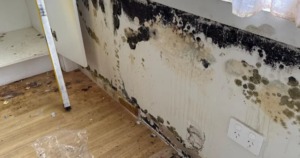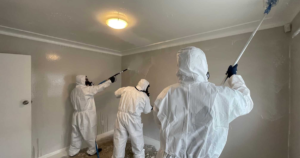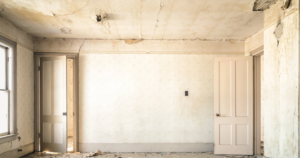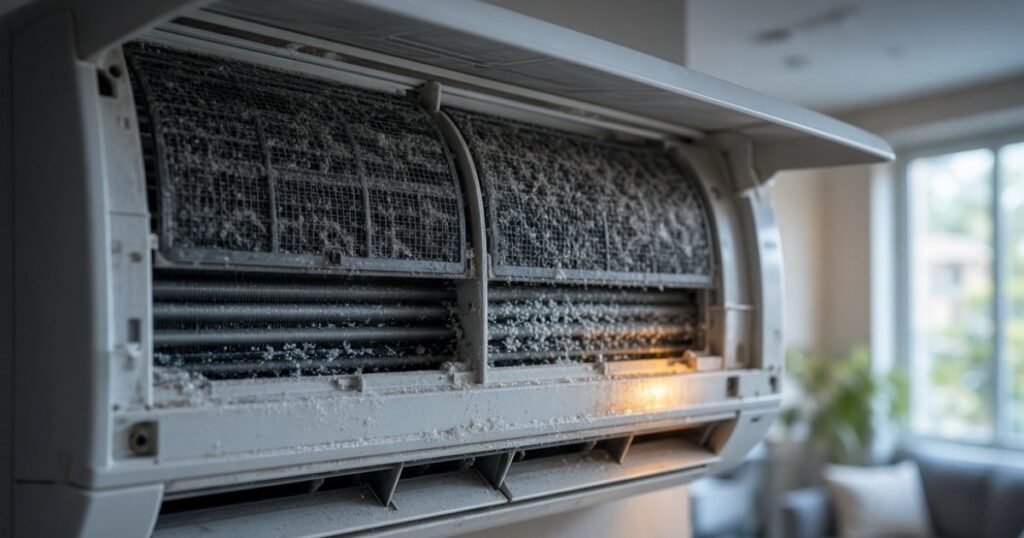
Meth contamination can affect more than walls, floors, and furniture. Meth contamination air conditioning can also become a concern when residue reaches vents, filters, coils, ductwork and other parts of a ventilation system. Air conditioning moves air throughout a property, so contaminated components should not be overlooked during a professional assessment.
For homeowners, landlords, property managers and property buyers in New Zealand, meth contamination air conditioning should be considered when a property has a known or suspected history of meth use or manufacture. Cleaning visible surfaces alone may not address residue that has reached the HVAC or ventilation system.
For homeowners, landlords, property managers, and property buyers in New Zealand, checking the HVAC system can be an important part of a wider meth contamination assessment. Cleaning visible surfaces alone may not address contamination hidden inside the ventilation system.
If you suspect a property has been affected, Kiwi Meth Xpert provides professional meth testing and decontamination services across New Zealand. Get professional meth decontamination help from Kiwi Meth Xpert
What Is Meth Contamination Air Conditioning?
Meth contamination air conditioning refers to meth residue that has entered or settled within an air conditioning or ventilation system. When meth is smoked, used or manufactured inside a property, residue can settle on nearby surfaces. Air movement can also carry residue towards vents, filters and other HVAC components.
Over time, meth residue HVAC contamination may develop in areas such as:
- Air conditioning filters
- Supply and return vents
- Ductwork
- Grilles and registers
- Fan and blower components
- Internal HVAC surfaces
- Coils and accessible equipment surfaces
The exact extent of contamination depends on the property, the HVAC design, the source of contamination, and how the system operates.
This is why meth contamination ventilation should form part of a proper property assessment where contamination is suspected.
Why Meth Contamination Air Conditioning Needs Attention
Meth contamination air conditioning needs attention because HVAC systems continuously move air around a building. If meth residue is present inside vents, filters, ductwork or other components, normal air movement can potentially carry contamination into other areas. Professional assessment can determine whether the HVAC system requires cleaning or further decontamination.
This makes meth cleaning air conditioning different from ordinary air conditioning maintenance.
A standard HVAC service usually focuses on airflow, filters, cooling performance, electrical components, and general maintenance. It is not automatically a meth decontamination service.
Where meth contamination has been identified, the HVAC system may need to be assessed as part of the wider remediation plan.
New Zealand’s Tenancy Services states that properties affected by meth must be managed according to the applicable requirements, including the Residential Tenancies (Managing Methamphetamine Contamination) Regulations 2026 and relevant parts of NZS 8510:2017.
How Meth Contamination Air Conditioning Can Happen
Meth contamination air conditioning can happen when residue reaches an HVAC system through normal air movement. Depending on the property’s layout and ventilation design, residue may settle around return-air vents, supply vents, filters, ductwork and other accessible components.
Meth Residue HVAC Pathways
Meth residue does not necessarily remain exactly where meth was used or manufactured.
Air movement can carry contamination towards ventilation points. Once residue reaches an HVAC system, it may settle on internal surfaces or components.
A system with contaminated filters, vents or accessible internal surfaces can therefore become another area that requires attention.
Meth Contamination Air Conditioning and Ventilation Systems
Meth contamination air conditioning and ventilation systems should be considered together because many HVAC systems are designed to move air between different areas of a property. If contamination is confirmed near ventilation points, professionals may need to assess connected components as part of the wider remediation process.
Signs That Your HVAC System May Need Assessment
There is no single visual sign that proves an HVAC system contains meth residue. However, an assessment may be sensible when:
- A property has confirmed meth contamination.
- Meth use or manufacture has occurred inside the building.
- Testing has identified contamination close to vents or HVAC equipment.
- There is a history of contamination in several rooms.
- The ventilation system serves areas where contamination occurred.
- A property is undergoing professional meth remediation.
It is important to remember that ordinary dust, odours, stains or dirty filters do not prove meth contamination.
Testing and professional assessment are needed to establish whether meth residue is present.
Why Standard Air Conditioning Cleaning May Not Be Enough
Routine air conditioning cleaning and meth contamination air conditioning remediation are not the same thing. Standard HVAC servicing generally focuses on airflow, filters, cooling performance and mechanical maintenance. Meth contamination air conditioning cleaning requires a contamination-focused assessment based on testing results and the property’s circumstances.
A normal HVAC service may clean filters and remove dust from accessible components. Meth remediation requires a contamination-focused approach based on the property’s testing results and the applicable New Zealand requirements.
For example, simply replacing an HVAC filter does not automatically address contamination that may be present elsewhere in the system.
Similarly, spraying an ordinary household cleaner into vents is not a suitable substitute for professional meth decontamination.
WorkSafe New Zealand highlights the importance of controlling exposure to hazardous substances and using suitable cleaning procedures and protective equipment when dealing with contamination risks.
Meth Contamination Air Conditioning: What Professional Cleaning Involves
Professional meth contamination air conditioning cleaning should follow an assessment of the affected property and HVAC system. The exact process depends on the type of system, the areas affected, the materials involved and the results of contamination testing.
1. Start With Meth Testing
The first step is to establish whether meth contamination exists and determine where it has been identified.
Testing helps professionals understand the scope of the problem before deciding what needs to be cleaned, treated, or removed.
Kiwi Meth Xpert also provides meth testing solutions for homes, businesses and vehicles.
2. Assess the HVAC and Ventilation System
If contamination is confirmed, the HVAC system should be considered alongside other potentially affected areas.
This may include accessible vents, filters, ductwork, grilles and other components, depending on the system and contamination pattern.
3. Develop a Decontamination Plan
The appropriate HVAC meth cleaning NZ approach depends on the system, the affected materials, accessibility and test results.
Professionals can determine which components can be appropriately cleaned and which may require further action.
4. Carry Out Appropriate Cleaning
Where cleaning is suitable, trained professionals use appropriate methods and products for the affected materials.
Kiwi Meth Xpert explains that its meth decontamination process is designed around NZS 8510:2017 requirements and uses specialised cleaning products and methods.
5. Complete Post-Remediation Testing
Cleaning should not simply end when the property looks clean.
Follow-up testing can help confirm whether the required remediation outcome has been achieved.
Tenancy Services states that, after decontamination, detailed testing must be completed to confirm residue levels are no longer above the applicable maximum acceptable level.
Contaminated Ductwork: Should It Always Be Replaced?
Not necessarily.
The answer depends on the type of ductwork, its condition, accessibility, contamination level and the applicable remediation requirements.
Some HVAC components may be suitable for professional cleaning, while other materials may be difficult or unsuitable to decontaminate effectively.
This is why property owners should avoid making a replacement decision before receiving a professional assessment.
The goal of ventilation decontamination is to deal with contamination appropriately rather than automatically replacing an entire HVAC system.
Does Air Conditioning Spread Meth Residue?
An HVAC system moves air, so it can influence how contaminants move within a building. However, the extent of any spread depends on the system and the circumstances of the contamination.
This is one reason meth contamination air conditioning should be considered as part of the overall property investigation rather than treated as an isolated cleaning issue.
If one room has tested positive, professionals may need to consider connected ventilation pathways when determining the appropriate remediation plan.
Meth Cleaning Air Conditioning vs Regular HVAC Maintenance
It helps to understand the difference.
| Regular HVAC maintenance | Meth decontamination |
|---|---|
| Focuses on system performance | Focuses on contamination control |
| Removes normal dust and debris | Addresses identified meth residue |
| Checks filters and mechanical components | Considers contaminated surfaces and materials |
| Improves airflow and efficiency | Forms part of a wider remediation process |
| Usually routine maintenance | Requires contamination-specific assessment |
A clean-looking air conditioner does not necessarily mean that it has been decontaminated after meth exposure.
New Zealand Meth Contamination Rules You Should Know
New Zealand introduced new regulations for managing methamphetamine contamination in rental properties in April 2026.
Under the current Tenancy Services guidance, areas with meth residue above 15 µg/100 cm² must be decontaminated. Properties with areas above 30 µg/100 cm² can be legally uninhabitable depending on the circumstances.
For the latest official requirements, property owners and managers should refer directly to Tenancy Services – Meth testing and decontamination standards.
These requirements can change, so professional advice is important when dealing with a contaminated rental property.
Can You Clean Meth-Contaminated Air Conditioning Yourself?
DIY cleaning may appear cheaper, but meth contamination air conditioning is not the same as ordinary household or HVAC cleaning. Without appropriate testing and assessment, it can be difficult to know whether contamination remains inside vents, ductwork or other HVAC components.
Meth contamination is not the same as ordinary household dirt. You may not know which HVAC components are contaminated or whether cleaning has actually reduced residue to an acceptable level.
Opening or disturbing contaminated components without the right precautions may also expose the person doing the work.
For these reasons, professional meth decontamination HVAC services are the safer option when contamination has been confirmed or strongly suspected.
If you are unsure what to do next, Kiwi Meth Xpert’s guide to meth decontamination in New Zealand explains the broader testing and remediation process.
How HVAC Cleaning Fits Into Whole-Property Meth Decontamination
HVAC cleaning should not be treated as a standalone solution.
Meth residue may also affect:
- Walls and ceilings
- Floors
- Carpets
- Curtains
- Furniture
- Doors and cabinetry
- Light fittings
- Appliances
- Other building surfaces
Tenancy Services specifically provides requirements for managing carpets, curtains and other soft furnishings in contaminated rental properties, including cleaning or removal depending on whether they can be appropriately decontaminated.
For more information about the wider cleaning process, read Kiwi Meth Xpert’s guide to professional meth cleaning services.
Why Professional HVAC Meth Cleaning NZ Matters
Professional assessment can help property owners avoid two common mistakes:
Ignoring the HVAC system:
Cleaning visible surfaces while overlooking potentially affected ventilation components can leave part of the contamination issue unresolved.
Replacing everything unnecessarily:
Without an assessment, owners may remove components that could have been appropriately cleaned.
A structured approach helps identify what actually needs attention and supports a more practical remediation plan.
Meth Contamination Air Conditioning Should Not Be Overlooked
Meth contamination air conditioning is an important part of a complete property remediation assessment. Because HVAC systems move air throughout a building, vents, filters, ductwork and other components may need to be considered when meth contamination has been identified.
If you suspect meth contamination air conditioning, do not rely on ordinary HVAC cleaning alone. Start with professional testing, assess the wider property, identify potentially affected HVAC components and follow an appropriate decontamination process.
Frequently Asked Questions
Can meth residue get into air conditioning systems?
Yes. Meth residue can settle on surfaces and may reach HVAC and ventilation components through air movement. The extent of contamination depends on the property and the circumstances.
Does replacing the air filter remove meth contamination?
Not necessarily. A filter is only one component of an HVAC system. Other areas may require assessment and appropriate cleaning.
Is contaminated ductwork always replaced?
No. Replacement depends on the type of ductwork, contamination, accessibility, condition and professional assessment.
Can regular HVAC cleaners perform meth decontamination?
Routine HVAC maintenance and meth remediation are different services. When meth contamination is confirmed, use professionals experienced in contamination assessment and decontamination.
Does New Zealand have rules for meth-contaminated rental properties?
Yes. The Residential Tenancies (Managing Methamphetamine Contamination) Regulations 2026 came into force in April 2026 and set requirements for testing, contamination thresholds and decontamination.
What should I do if I suspect meth contamination in my HVAC system?
Avoid disturbing potentially contaminated components and arrange appropriate professional testing and assessment. The results can help determine the next steps.
Get Professional Meth Decontamination Help in New Zealand
If you suspect meth contamination air conditioning or contamination anywhere else in your property, do not leave the problem to ordinary cleaning.
Kiwi Meth Xpert provides professional meth testing and decontamination services designed to help homeowners, landlords, property managers and businesses address meth contamination safely and systematically.
Contact Kiwi Meth Xpert today for a professional assessment and practical advice on your next step.