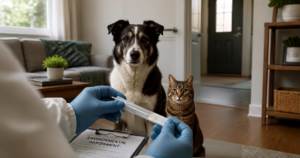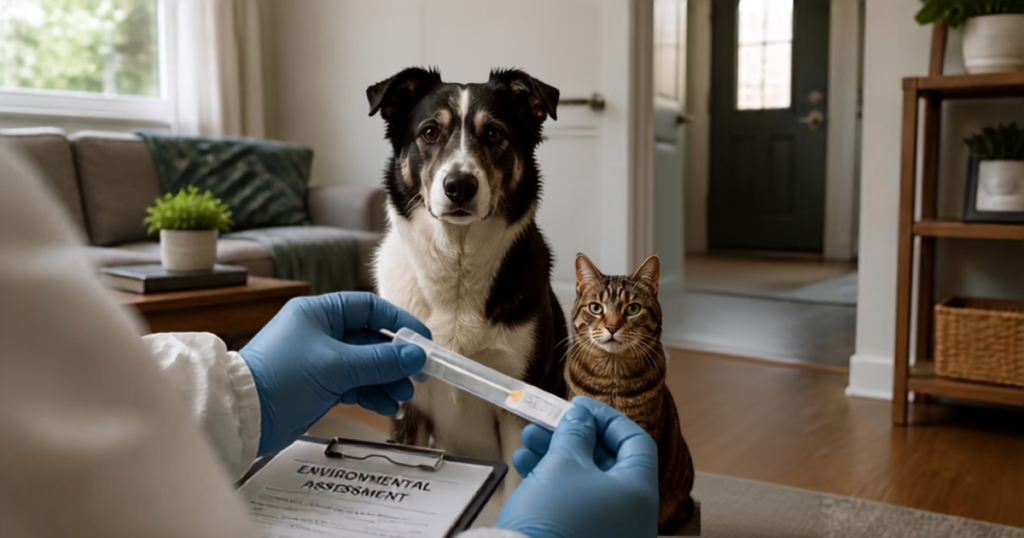
Understanding meth contamination pets is important for every pet owner. Pets are part of the family, so keeping them safe is a priority when you discover a property may have meth contamination. Dogs and cats spend a lot of time on floors, carpets, furniture and other household surfaces, which means they can come into contact with areas that may have meth residue.
When meth contamination pets is a concern, testing can help identify affected areas .For homeowners, landlords and tenants, understanding meth contamination pets can help you make sensible decisions about testing, cleaning and property access.
Meth residue cannot always be seen, smelled or identified by simply looking around a home. If you suspect a property has been affected, proper meth testing NZ can help determine whether further action is needed.
New Zealand’s methamphetamine contamination rules changed in April 2026. Under the current regulations, rental property areas with meth residue above 15 µg/100 cm² are considered contaminated and must be decontaminated.
1. Meth Contamination Pets Can Mean More Contact With Affected Surfaces
Pets naturally spend a lot of time close to the floor, which can increase their contact with household surfaces.
Dogs may walk across carpets, rugs and floors before licking their paws. Cats regularly groom themselves, which means substances on their fur or paws can potentially be swallowed during grooming.
This does not mean every pet exposed to a property with meth residue will become sick. However, pet owners should take suspected contamination seriously and avoid unnecessary contact with affected areas until the property has been properly assessed.
If you suspect meth contamination pets may be exposed to, start by keeping them away from areas you believe could be affected.
2. How Meth Contamination Pets Can Affect Carpets and Soft Furnishings
Carpets, rugs, curtains and upholstered furniture can form a large part of a pet’s everyday environment.
Pets may sleep on carpets, play on rugs or spend hours resting on couches. If meth residue is present on a surface, these areas need to be considered when assessing the property.
The current NZ rental regulations require affected areas to be decontaminated when meth residue is above the maximum acceptable level.
You can also learn more about how contaminated household items may need to be assessed in our guide to meth contaminated furniture cleaning.
3. Meth Residue Can Be Transferred to Paws and Fur
Pets can move around a property much more freely than people realise. This is an important consideration when managing meth contamination pets in a household.
A dog may walk from a contaminated floor onto a bed or sofa. A cat may move between carpets, furniture and other surfaces before grooming itself.
This is one reason pet owners should not assume that keeping an animal in another room automatically removes all potential exposure.
The National Poisons Centre explains that pets can be poisoned when substances get onto their fur or paws and are then swallowed during grooming.
That general poisoning risk is different from proving that household meth residue has caused illness in a particular pet, so avoid making assumptions about your pet’s health based only on a contamination result.
4. Meth Contamination Pets May Affect Favourite Sleeping Areas
Pets often have favourite places around the home.
Your dog may sleep on a particular rug, while your cat may prefer a sofa, cushion or carpeted corner. These areas can receive frequent contact from paws, fur and skin.
If a property is being assessed for meth contamination pets, these high-contact areas should not simply be ignored.
Instead, follow the advice of the qualified professionals carrying out the assessment and decontamination process. Avoid moving potentially affected items around the home without understanding how they should be handled.
5. Ordinary DIY Cleaning May Not Be Enough
A quick household clean is not the same as professional meth decontamination.
Mopping floors, vacuuming carpets or wiping down furniture may remove ordinary dirt, but these actions do not automatically prove that meth residue has been removed to the required level.
New Zealand’s current rental-property rules require testing and decontamination to follow specified processes, with detailed testing carried out by qualified professionals where required.
If you are unsure whether DIY cleaning is appropriate, read our guide on DIY vs professional meth cleaning before starting major cleaning work.
6. Meth Contamination Pets May Change Where Animals Spend Time
When contamination is suspected, restricting access can be a sensible temporary measure.
For example, you may need to keep your pet away from a particular bedroom, carpeted area or section of the property while testing or cleaning takes place.
This can be inconvenient, especially for households with dogs and cats that normally move freely around the home.
However, temporary restrictions can be easier to manage than allowing pets to continue moving through an area that is still being assessed or decontaminated.
7. You Cannot Reliably Identify Meth Contamination by Looking at Your Home
Meth residue does not always come with obvious signs.
A property can look clean while still requiring testing. Likewise, finding a stain, unusual smell or dirty surface does not automatically mean that meth contamination is present.
This is why testing is important when there is a reasonable reason to suspect contamination.
The current NZ rules allow screening assessments using approved methods, while certain situations require detailed testing by a qualified professional.
If you are concerned about a property, our guide on how meth contamination testing protects your home, family and investment explains more about the testing process.
8.Why Meth Contamination Pets Matters When Buying or Renting
Pet owners should consider contamination when assessing a property they plan to buy or rent.
This is particularly important if there is information suggesting previous methamphetamine use or manufacture at the property.
For rental homes, current regulations provide clear rules around meth residue levels, testing, decontamination and tenancy management.
If you are buying a property, you can also review the NZ Government’s Settled.govt.nz guidance on understanding methamphetamine as part of your property research.
A property that has been tested and properly remediated can give you much greater confidence before you and your pets move in.
9. Pet Bedding and Belongings May Need Attention
Pets often have more belongings than we realise.
Beds, blankets, toys, scratching posts, carriers and cushions can all be part of their normal environment .Pet belongings should therefore be considered when managing meth contamination pets concerns.
If these items have been kept in an area affected by meth residue, do not automatically assume they can be safely cleaned or should simply be thrown away.
The appropriate approach depends on the item, its condition, where it was stored and the contamination assessment.
For larger household items, our meth contaminated furniture cleaning guide provides useful information about how contaminated contents can be considered during remediation.
10. Suspected Pet Poisoning Requires Prompt Veterinary Advice
Pet owners should always treat signs of possible poisoning seriously.
If your pet has swallowed or come into contact with a potentially harmful substance, contact your vet for advice rather than trying to diagnose the problem yourself.
The National Poisons Centre advises pet owners not to induce vomiting and recommends contacting a vet or the NZ Animal Poisons Helpline on 0800 869 738. If an animal is unconscious, having difficulty breathing or having a seizure, it should be taken to a vet immediately.
These are general poisoning guidelines and should not be interpreted as proof that meth residue is responsible for a particular pet’s symptoms.
If your pet is unwell, get veterinary advice promptly.
11. Meth Contamination Can Affect the Whole Property Remediation Plan
Pet safety should form part of your wider property management plan.
If testing confirms contamination, you need to consider where your pets will stay while affected areas are being cleaned and tested.
You may also need to consider access to rooms, pet bedding, furniture and other belongings.
Under the current NZ rental regulations, contaminated areas must be decontaminated and then tested again by a qualified professional to confirm that residue levels are no longer above 15 µg/100 cm². If levels remain above that threshold, further decontamination and testing may be required.
Planning for your pets before work begins can make the remediation process easier and reduce unnecessary contact with affected areas.
What Should Pet Owners Do If They Suspect Meth Contamination?
Taking a practical approach can help you protect your pets while you investigate the property. If you suspect meth contamination pets may be exposed to affected areas, act promptly.
Keep Pets Away From Suspected Areas
Start by limiting your pet’s access to rooms or surfaces you believe may be affected.
If possible, use a clean area of the home or arrange temporary accommodation for your pet while testing or remediation takes place.
Arrange Proper Meth Testing
Do not rely on appearance or smell to decide whether a property is contaminated.
Arrange appropriate testing so you can understand whether meth residue is present and whether further assessment is required.
If you need help understanding the process, see our meth residue removal NZ guide.
Avoid Unplanned DIY Remediation
Aggressive cleaning without a proper assessment can create more problems.
Do not move potentially affected furniture, carpets or belongings around the property without understanding how they should be handled.
Where professional decontamination is required, use a qualified provider and follow the appropriate NZ process.
Speak to Your Vet if Your Pet Is Unwell
If your pet shows unusual symptoms after possible exposure to a harmful substance, contact your vet.
Do not assume that a property contamination result explains your pet’s symptoms. Veterinary assessment is the right way to investigate an animal’s health.
Arrange Professional Decontamination Where Required
Professional testing and cleaning can help manage meth contamination pets concerns while ensuring affected areas are assessed appropriately. If testing confirms that affected areas require remediation, the next step is to develop an appropriate cleaning and decontamination plan.
Kiwi Meth Xpert provides meth house decontamination services for properties requiring professional remediation.
Are Pets More Sensitive to Meth Contamination Than People?
There is not enough evidence to make a simple statement that pets are more sensitive to household meth residue than humans.
What is clear is that pets behave differently from people. They spend more time close to floors and soft furnishings, and animals such as cats regularly groom their fur.
That behaviour means pet owners should consider how animals interact with their surroundings when a property is being assessed for contamination.
The safest approach is to base decisions on proper testing, professional advice and veterinary guidance rather than assumptions.
What Do the 2026 NZ Meth Contamination Rules Mean for Pet Owners?
The current rules provide clearer requirements for managing meth contamination in rental properties.
The Residential Tenancies (Managing Methamphetamine Contamination) Regulations 2026 came into force on 16 April 2026. Rental property areas with meth residue above 15 µg/100 cm² are considered contaminated and must be decontaminated. Areas above 30 µg/100 cm² can make a property legally uninhabitable under the regulations, with specific tenancy termination provisions applying.
For landlords and tenants, this means contamination should be managed through the proper testing and decontamination process rather than informal cleaning alone.
You can read the latest information directly through Tenancy Services’ methamphetamine guidance and the Ministry for Cities, Environment, Regions and Transport’s methamphetamine regulations information.
How Professional Meth Decontamination Can Help
Once testing confirms contamination, professional remediation can help return the affected areas to the required standard.
The process should be based on the contamination findings and the materials affected. Different surfaces and household contents may require different approaches.
Professional meth decontamination NZ services can also help property owners understand which areas need attention and what testing is required after cleaning.
Kiwi Meth Xpert can assess your requirements and help you understand the next steps for your property.
Final Thoughts on Meth Contamination Pets
Understanding meth contamination pets is important for anyone who owns a dog, cat or other household animal.
Pets may spend more time on carpets, floors and furniture than people do, and cats may groom their fur. When dealing with meth contamination pets, these behaviours make sensible precautions important.
However, avoid jumping to conclusions about your pet’s health. A contamination result does not automatically mean your pet has been harmed.
The practical approach is simple: restrict access to suspected areas, arrange appropriate testing, follow professional decontamination advice and contact your vet if you are concerned about your pet’s health.
Protect Your Home and Pets With Kiwi Meth Xpert
If you suspect meth contamination pets may be exposed to, Kiwi Meth Xpert can help you understand the testing and decontamination process.
From initial assessment through to professional meth residue removal NZ, getting the right advice can help you manage your property with greater confidence.
Contact Kiwi Meth Xpert to discuss your property and find out what steps may be appropriate.