

Meth Cleaning After Tenant Moves Out: 7 Proven & Safe Steps

When a tenant moves out, landlords usually focus on routine cleaning, repairs, inspections and preparing the property for the next tenant. But what happens when you suspect the property has been exposed to meth? Meth cleaning after tenant moves out requires more than normal end-of-tenancy cleaning. Methamphetamine residue can remain on surfaces even when a property looks clean. If contamination is suspected or confirmed, landlords need to follow the appropriate testing and decontamination process before offering the property to a new tenant. New Zealand’s rules changed on 16 April 2026. The Residential Tenancies (Managing Methamphetamine Contamination) Regulations 2026 now set clear requirements for testing and decontamination of rental properties. A property is considered contaminated when meth residue is above 15 µg/100 cm², and affected areas must be decontaminated to 15 µg/100 cm² or less. Meth cleaning after tenant moves out should always begin with the right assessment, followed by testing and professional remediation where required. Why Meth Cleaning After Tenant Moves Out Matters A property can look perfectly normal after a tenant leaves. Walls may look clean. Floors may look spotless. The kitchen may have been wiped down. Carpets may have been vacuumed. That does not automatically mean the property is free from meth residue. Meth contamination can be difficult to identify because residue is often invisible. It may remain on walls, floors, ceilings, carpets, furniture, curtains and other surfaces. This is why meth cleaning after tenant moves out should not simply be added to a normal house-cleaning checklist. The first question should be: Does the property need testing? If testing identifies contamination above the legal threshold, the affected areas need to be decontaminated before the property is rented again. Tenancy Services states that landlords must not knowingly rent out contaminated properties and must decontaminate them before renting them out. Meth cleaning after tenant moves out matters because residue can remain on surfaces even when a rental property looks clean. A proper meth cleaning after tenant moves out process helps landlords identify contamination and prepare the property safely for the next tenant. What Should a Landlord Do Before Meth Cleaning After Tenant Moves Out? Before starting meth cleaning after tenant moves out, a landlord should first establish whether meth contamination is suspected or confirmed. This prevents unnecessary cleaning and helps identify the correct remediation approach. If you have concerns about possible tenant meth contamination, take a structured approach rather than immediately starting deep cleaning. Step 1: Inspect the Property Start with a thorough visual inspection. Look for signs that may justify further investigation, such as: These signs do not prove contamination. They simply indicate that further assessment may be appropriate. For more information, read our guide on signs your property may need professional meth decontamination services. Kiwi Meth Xpert – Signs Your Property May Need Professional Meth Decontamination Services Step 2: Consider Meth Testing Testing is an important part of meth cleaning after tenant moves out because it helps determine whether professional decontamination is required. Under the 2026 regulations, landlords must carry out the prescribed testing process in certain situations, including where Police or a local authority advises that methamphetamine manufacture was likely, or where a valid screening assessment indicates that meth may be present above the maximum acceptable level. For landlords, testing also creates useful documentation about the condition of the property. Our article on how meth contamination testing protects your home, family and investment explains why testing can be useful before and after remediation. Meth Contamination Testing Guide – Kiwi Meth Xpert Meth Cleaning After Tenant Moves Out Should Follow the Test Results The results should guide every stage of meth cleaning after tenant moves out. If contamination is confirmed, the landlord can identify the affected areas and choose the appropriate cleaning and remediation method. If the property is not contaminated above the relevant limit, normal property preparation may continue. If contamination is confirmed, the affected areas need appropriate decontamination. This is where rental property meth cleaning differs from ordinary end-of-tenancy cleaning. Normal cleaning removes everyday dirt, dust, stains and grime. Meth decontamination focuses on removing methamphetamine residue and then confirming that the remediation has achieved the required result. Tenancy Services states that decontamination must follow the process prescribed by the 2026 regulations, based on NZS 8510:2017 with specified modifications. Meth Decontamination Between Tenants: What Does It Involve? Meth decontamination between tenants should be treated as a separate remediation process rather than simply another stage of bond cleaning. A typical process involves: 1. Identify the Affected Areas Testing helps establish which rooms or areas require attention. Under the current rules, contamination is assessed on a room-by-room basis. For example, if one bedroom exceeds the maximum acceptable level while another room does not, the affected bedroom may require decontamination while the other room may not. 2. Develop a Remediation Plan The cleaning approach should take account of: 3. Decontaminate the Property The affected areas are cleaned using appropriate procedures and equipment. Tenancy Services recommends that landlords who are unsure whether they can carry out testing or decontamination according to the required standards consider hiring a qualified professional. 4. Complete Post-Decontamination Testing Cleaning should not be considered finished simply because the property looks clean. After decontamination, detailed testing must be carried out again by a qualified professional who was not the person who carried out the decontamination work. If results remain above 15 µg/100 cm², additional decontamination and testing are required. Professional meth cleaning after tenant moves out can form part of this process when contamination is confirmed in a rental property. What Is the Meth Contamination Limit for Rental Properties in New Zealand? The current maximum acceptable level is 15 µg/100 cm². If an area exceeds this level, it is considered contaminated and must be decontaminated until the residue is at or below 15 µg/100 cm². There is also a 30 µg/100 cm² maximum inhabitable level. If any part of the property exceeds this level, the property may be considered uninhabitable under the regulations, subject to the circumstances
Meth Contamination Air Conditioning: 7 HVAC Cleaning Facts
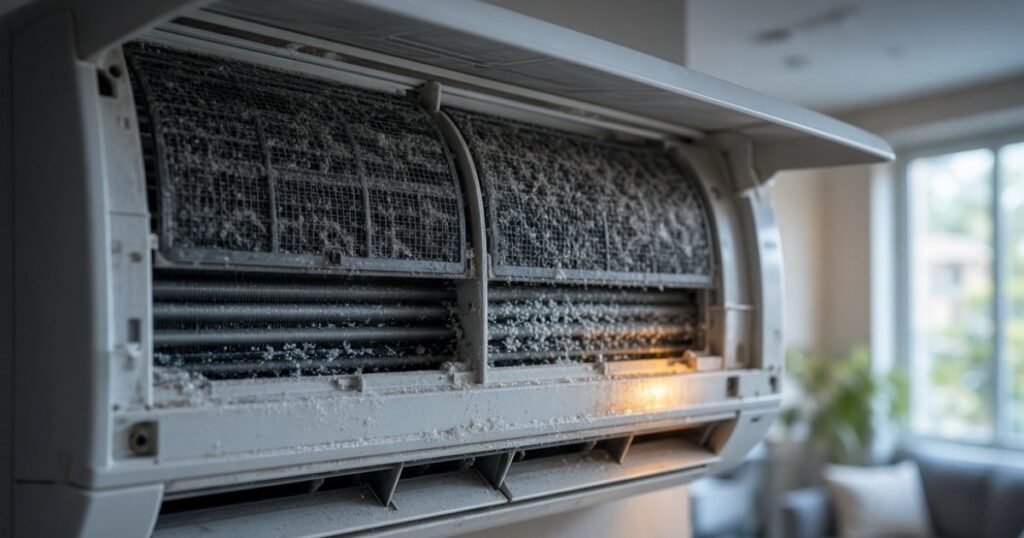
Meth contamination can affect more than walls, floors, and furniture. Meth contamination air conditioning can also become a concern when residue reaches vents, filters, coils, ductwork and other parts of a ventilation system. Air conditioning moves air throughout a property, so contaminated components should not be overlooked during a professional assessment. For homeowners, landlords, property managers and property buyers in New Zealand, meth contamination air conditioning should be considered when a property has a known or suspected history of meth use or manufacture. Cleaning visible surfaces alone may not address residue that has reached the HVAC or ventilation system. For homeowners, landlords, property managers, and property buyers in New Zealand, checking the HVAC system can be an important part of a wider meth contamination assessment. Cleaning visible surfaces alone may not address contamination hidden inside the ventilation system. If you suspect a property has been affected, Kiwi Meth Xpert provides professional meth testing and decontamination services across New Zealand. Get professional meth decontamination help from Kiwi Meth Xpert What Is Meth Contamination Air Conditioning? Meth contamination air conditioning refers to meth residue that has entered or settled within an air conditioning or ventilation system. When meth is smoked, used or manufactured inside a property, residue can settle on nearby surfaces. Air movement can also carry residue towards vents, filters and other HVAC components. Over time, meth residue HVAC contamination may develop in areas such as: The exact extent of contamination depends on the property, the HVAC design, the source of contamination, and how the system operates. This is why meth contamination ventilation should form part of a proper property assessment where contamination is suspected. Why Meth Contamination Air Conditioning Needs Attention Meth contamination air conditioning needs attention because HVAC systems continuously move air around a building. If meth residue is present inside vents, filters, ductwork or other components, normal air movement can potentially carry contamination into other areas. Professional assessment can determine whether the HVAC system requires cleaning or further decontamination. This makes meth cleaning air conditioning different from ordinary air conditioning maintenance. A standard HVAC service usually focuses on airflow, filters, cooling performance, electrical components, and general maintenance. It is not automatically a meth decontamination service. Where meth contamination has been identified, the HVAC system may need to be assessed as part of the wider remediation plan. New Zealand’s Tenancy Services states that properties affected by meth must be managed according to the applicable requirements, including the Residential Tenancies (Managing Methamphetamine Contamination) Regulations 2026 and relevant parts of NZS 8510:2017. How Meth Contamination Air Conditioning Can Happen Meth contamination air conditioning can happen when residue reaches an HVAC system through normal air movement. Depending on the property’s layout and ventilation design, residue may settle around return-air vents, supply vents, filters, ductwork and other accessible components. Meth Residue HVAC Pathways Meth residue does not necessarily remain exactly where meth was used or manufactured. Air movement can carry contamination towards ventilation points. Once residue reaches an HVAC system, it may settle on internal surfaces or components. A system with contaminated filters, vents or accessible internal surfaces can therefore become another area that requires attention. Meth Contamination Air Conditioning and Ventilation Systems Meth contamination air conditioning and ventilation systems should be considered together because many HVAC systems are designed to move air between different areas of a property. If contamination is confirmed near ventilation points, professionals may need to assess connected components as part of the wider remediation process. Signs That Your HVAC System May Need Assessment There is no single visual sign that proves an HVAC system contains meth residue. However, an assessment may be sensible when: It is important to remember that ordinary dust, odours, stains or dirty filters do not prove meth contamination. Testing and professional assessment are needed to establish whether meth residue is present. Why Standard Air Conditioning Cleaning May Not Be Enough Routine air conditioning cleaning and meth contamination air conditioning remediation are not the same thing. Standard HVAC servicing generally focuses on airflow, filters, cooling performance and mechanical maintenance. Meth contamination air conditioning cleaning requires a contamination-focused assessment based on testing results and the property’s circumstances. A normal HVAC service may clean filters and remove dust from accessible components. Meth remediation requires a contamination-focused approach based on the property’s testing results and the applicable New Zealand requirements. For example, simply replacing an HVAC filter does not automatically address contamination that may be present elsewhere in the system. Similarly, spraying an ordinary household cleaner into vents is not a suitable substitute for professional meth decontamination. WorkSafe New Zealand highlights the importance of controlling exposure to hazardous substances and using suitable cleaning procedures and protective equipment when dealing with contamination risks. Meth Contamination Air Conditioning: What Professional Cleaning Involves Professional meth contamination air conditioning cleaning should follow an assessment of the affected property and HVAC system. The exact process depends on the type of system, the areas affected, the materials involved and the results of contamination testing. 1. Start With Meth Testing The first step is to establish whether meth contamination exists and determine where it has been identified. Testing helps professionals understand the scope of the problem before deciding what needs to be cleaned, treated, or removed. Kiwi Meth Xpert also provides meth testing solutions for homes, businesses and vehicles. 2. Assess the HVAC and Ventilation System If contamination is confirmed, the HVAC system should be considered alongside other potentially affected areas. This may include accessible vents, filters, ductwork, grilles and other components, depending on the system and contamination pattern. 3. Develop a Decontamination Plan The appropriate HVAC meth cleaning NZ approach depends on the system, the affected materials, accessibility and test results. Professionals can determine which components can be appropriately cleaned and which may require further action. 4. Carry Out Appropriate Cleaning Where cleaning is suitable, trained professionals use appropriate methods and products for the affected materials. Kiwi Meth Xpert explains that its meth decontamination process is designed around NZS 8510:2017 requirements and uses
Meth Contamination and Soft Furnishings: Can They Be Cleaned?
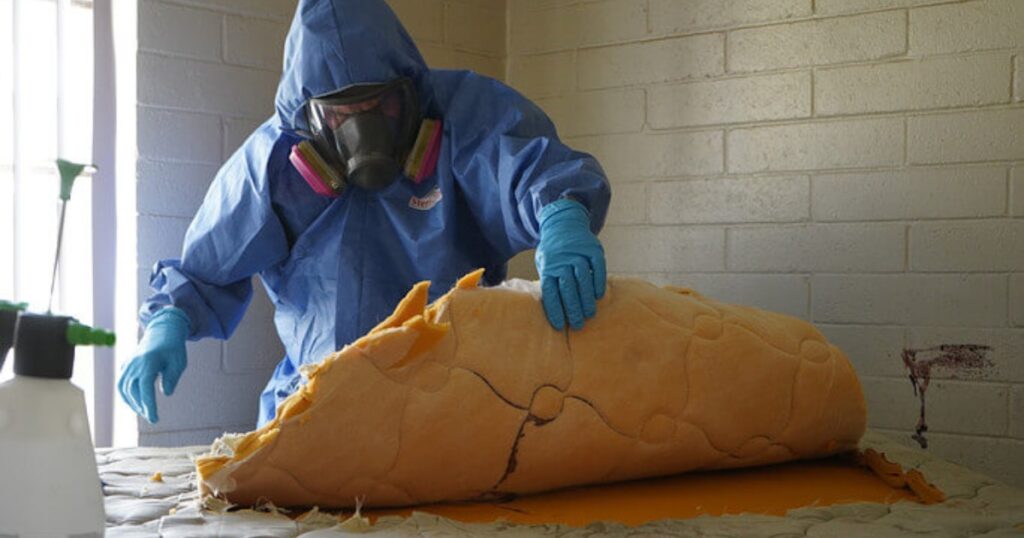
Finding meth residue in a home can be worrying, especially when the contamination involves furniture, carpets, curtains, mattresses or other soft furnishings. Many property owners immediately ask the same question: can meth contaminated furniture cleaning save these items, or do they need to be removed? The answer depends on the level of contamination, the type of material, how the item was affected and whether it can be properly cleaned and verified. In New Zealand, methamphetamine contamination is managed under the Residential Tenancies (Managing Methamphetamine Contamination) Regulations 2026 , The current maximum acceptable level for methamphetamine in premises is 15 µg/100 cm². That means ordinary household cleaning is not always enough. A professional assessment can help determine which soft furnishings can be cleaned and which items should be removed. If you are dealing with a suspected contaminated property, Kiwi Meth Xpert’s meth contamination services can help you understand the next steps. What Is Meth Contaminated Furniture Cleaning? Meth contaminated furniture cleaning is the process of assessing and treating furniture that may have methamphetamine residue on or within its surfaces. Meth residue can settle on many parts of a home. It may be found on: The important point is that meth residue is not always visible. A sofa can look clean while still requiring assessment. This is why meth contaminated furniture cleaning should not be treated like normal upholstery cleaning. Regular vacuuming, shampooing or wiping may improve the appearance of an item without proving that contamination has been removed. For more information about identifying possible contamination, see our guide on How Meth Contamination Testing Protects Your Home, Family, and Investment. Can Meth Contaminated Furniture Be Cleaned? In some cases, yes. However, meth contaminated furniture cleaning is not suitable for every item. The decision depends on the material, construction, contamination level and whether the item can be cleaned effectively. New Zealand’s current tenancy guidance says that carpets, curtains and other soft furnishings provided by a landlord can remain in the property when they are capable of being decontaminated. In that situation, they must be HEPA-filter vacuumed and then steam cleaned. If they cannot be cleaned to the required level, they must be removed and replaced. This is an important distinction. Cleaning a contaminated item is not the same as simply making it look clean. The goal is to reduce meth residue to an acceptable level and then use appropriate post-decontamination testing to confirm the result. Meth Contaminated Furniture Cleaning Depends on the Material Different materials react differently to contamination and cleaning. Fabric Sofas and Chairs Fabric furniture can be difficult because meth residue may settle into fibres, seams, cushions and other areas that are not easy to reach. Professional meth cleaning upholstery may be possible when the construction and material allow effective cleaning. The item should be assessed before deciding whether to keep it. Wooden Furniture Sealed, non-porous surfaces may be easier to clean than heavily porous materials. However, the entire item still needs to be assessed rather than assuming that a simple wipe will solve the problem. Drawers, handles, joints and unfinished areas may require additional attention. Fabric Cushions Loose cushions can hold residue within their covers and filling. Cleaning the cover alone may not address contamination elsewhere in the cushion. For this reason, meth decontamination furniture decisions should consider the complete construction of the item. Mattresses Mattresses deserve particular attention. A mattress contains layers of porous materials, including fabric, foam and filling. Because of this construction, meth contaminated mattresses may not always be suitable for cleaning and retention. New Zealand Tenancy Services specifically identifies couches and mattresses among soft furnishings that may need to be removed when they cannot be cleaned. A professional assessment should determine whether a mattress can realistically be decontaminated or whether replacement is the better option. Meth Cleaning Upholstery: What Should You Know? Meth cleaning upholstery requires more care than ordinary upholstery cleaning. A standard upholstery cleaner generally focuses on dirt, stains, dust and odours. Meth remediation has a different objective: dealing with chemical residue and confirming that the affected item or area has been adequately treated. Before starting meth contaminated furniture cleaning, consider: These questions help prevent unnecessary disposal while also avoiding the mistake of keeping an item that cannot be adequately decontaminated. What About Meth Contaminated Carpet? Carpet is one of the most common soft furnishings that property owners worry about. A meth contaminated carpet can hold residue within its fibres and backing. Simply vacuuming with a standard household vacuum does not provide the same approach required for meth decontamination. Under the current New Zealand regulations, contaminated carpets provided by a landlord as part of the tenancy can remain when they are capable of being decontaminated. They must be HEPA-filter vacuumed and then steam cleaned. If they cannot be brought below the required level, they must be removed. This makes professional assessment particularly useful when deciding whether carpet replacement is necessary. Meth Residue in Curtains: Can Curtains Be Saved? Curtains are another common concern. Meth residue in curtains can be difficult to identify because curtains may look completely normal even when residue is present. Current New Zealand guidance includes curtains among the soft furnishings that may be cleaned when they are capable of being decontaminated and are to remain in a rental property. The required process includes HEPA-filter vacuuming followed by steam cleaning. However, not every curtain can necessarily be retained. The fabric, lining, construction and contamination level all matter. If cleaning cannot achieve the required result, replacement may be necessary. Cleaning Soft Furnishings After Meth Contamination: Why DIY Cleaning Can Be Risky It is understandable that property owners want to save money by cleaning affected furniture themselves. The problem is that ordinary household cleaning does not necessarily address meth contamination properly. DIY cleaning can also create other problems: The purpose of cleaning soft furnishings after meth contamination should not simply be to remove stains or smells. The process should follow an appropriate decontamination plan based on the contamination findings. Our guide on DIY
5 Proven Meth Residue Removal NZ Services for Safe Homes
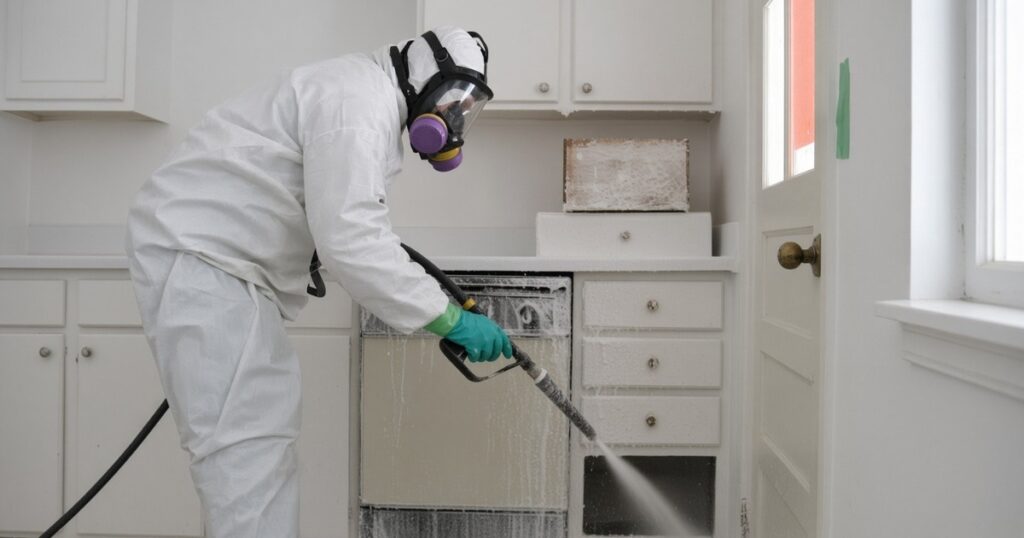
Meth residue can settle on more than just one dirty-looking surface. It can remain on walls, floors, ceilings, fittings and other parts of a property, often without any obvious sign. That is why meth residue removal NZ services focus on identifying affected areas and using the right cleaning approach for each surface. For New Zealand property owners, landlords, buyers and property managers, understanding which surfaces may need professional attention can make the cleaning and decontamination process clearer. This guide explains where meth residue can collect, why ordinary household cleaning may not be enough, and when professional meth residue removal NZ services should be considered. What Is Meth Residue? Meth residue is the chemical residue that can remain after methamphetamine has been used, smoked, manufactured or otherwise introduced into a property. The residue may settle on surfaces through smoke, vapour, dust and repeated contact. It can be difficult to see, which means a property can look clean while still requiring further assessment. New Zealand guidance around methamphetamine contamination has changed over time. For current requirements relating to rental properties, testing and contamination management, property owners should refer to the latest information from Tenancy Services. The Building CodeHub also provides technical resources relating to remediation of meth-contaminated buildings and NZS 8510. Why Meth Residue Removal NZ Requires More Than Ordinary Cleaning Regular cleaning is designed to remove everyday dirt, dust, grease and marks. Meth residue removal NZ is different because the objective is to deal with contamination rather than simply improve the appearance of a room. Wiping a wall, vacuuming a carpet or mopping a floor may make a property look cleaner, but these actions do not automatically demonstrate that contamination has been adequately addressed. The correct approach depends on: Professional meth residue cleaning therefore needs to be planned around the property rather than treated as a standard house-cleaning job. Which Surfaces Can Have Meth Residue? Meth contamination can affect many areas of a property. Commonly considered surfaces include: This does not mean every surface will require the same treatment. A professional assessment can help determine where meth contaminated surfaces need attention and what cleaning or remediation approach is appropriate. Meth Cleaning Surfaces: Hard Surfaces vs Porous Materials One of the most important parts of meth cleaning surfaces is understanding the difference between materials. Hard, Non-Porous Surfaces Hard surfaces are generally easier to clean than porous materials because residue may remain closer to the surface. Depending on the property and contamination assessment, areas such as: may be suitable for specialist cleaning. However, the fact that a surface is hard does not automatically mean a simple wipe will remove contamination. The cleaning method still needs to be suitable for the surface and the contamination involved. Kiwi Meth Xpert provides professional meth house decontamination services for properties requiring specialist cleaning. Removing Meth Residue From Walls Removing meth residue from walls can be more complicated than repainting. A wall may have several layers or materials, including paint, plasterboard, wallpaper or other finishes. The condition of the surface can also affect the appropriate remediation approach. Simply painting over a suspected contaminated wall is not the same as meth residue removal NZ. Professional cleaning may involve assessing the surface first and determining whether it can be effectively treated or whether additional remediation is required. This is particularly important where contamination has affected a large area or where previous cleaning has already taken place. Removing Meth Residue From Carpets Removing meth residue from carpets presents a different challenge. Carpet is a porous material, so contamination cannot always be treated in the same way as a sealed hard surface. The carpet backing, underlay and surrounding areas may also need consideration. Kiwi Meth Xpert states that its Apple Environmental Meth Remover product cannot clean porous materials such as carpets, curtains and soft furnishings. That distinction is important. A normal carpet clean may improve appearance and remove ordinary dirt, but it should not automatically be described as meth contamination residue removal. Where porous materials are involved, a professional assessment can help determine whether cleaning, removal or another remediation approach is appropriate. Meth Contamination Residue Removal in Kitchens and Bathrooms Kitchens and bathrooms contain many different surfaces in a relatively small space. A kitchen may include: Bathrooms may include: Because these areas contain a mixture of materials, meth contamination residue removal should consider each surface rather than treating the entire room in exactly the same way. Professional cleaning can help identify areas that need targeted treatment. What About Doors, Handles and Other Frequently Touched Surfaces? Frequently touched surfaces deserve attention during a professional meth residue cleaning assessment. These can include: These areas may receive repeated contact from occupants, but their contamination status cannot be determined simply by looking at them. Testing and professional assessment can help establish whether these surfaces require further remediation. Air Conditioning and Ventilation Areas Ventilation systems can also require consideration when assessing meth contaminated surfaces. Air-conditioning units, vents and related components can collect dust and residues. The correct approach depends on the system, contamination circumstances and assessment findings. This is one reason professional meth cleaning NZ services should consider the property as a whole rather than focusing only on visible walls and floors. Kiwi Meth Xpert’s commercial cleaning service states that its professional cleaning can include walls, floors, ceilings and ventilation systems. Can You Remove Meth Residue Yourself? It is understandable that property owners may want to start cleaning as soon as they discover possible contamination. However, meth contamination is different from normal household dirt. Before beginning extensive cleaning, it is sensible to establish: The current Tenancy Services guidance explains the distinction between screening and detailed testing for rental properties. For this reason, avoid assuming that a DIY cleaning job has resolved a contamination issue simply because the property looks clean. When Should You Arrange Professional Meth Residue Removal NZ? Professional help may be appropriate when: For businesses and workplaces, WorkSafe New Zealand also provides guidance on managing risks from hazardous substances and workplace exposure. How Professional