If you’re living in or managing a property and suspect it might be unsafe, it’s essential to recognise the signs your home may be meth-contaminated. Meth contamination poses serious health hazards and legal concerns if left unaddressed. This blog will guide you through the common red flags and next steps to keep your home safe.
Why Identifying a Meth-Contaminated Home Matters
Meth contamination is becoming a growing concern. Many homes, especially rentals and former drug labs, may contain toxic meth residues without showing obvious damage. Living in a meth-contaminated home can lead to serious health issues, including:
- Migraines and breathing difficulties
- Skin rashes
- Behavioural issues in children
That’s why homeowners and landlords must remain vigilant about the warning signs.
Common Signs Your Home May Be Meth-Contaminated
1. Unusual Chemical Smells
Homes in Wellington or Hastings previously used for meth production often have lingering odours that resemble ammonia or burnt plastic. These smells are often embedded in walls, curtains, and ventilation systems.
2. Discolouration and Stains
Look for yellowish or greasy stains on ceilings, walls, or behind furniture. These marks are often present in meth-contaminated homes found in older properties.
3. Suspicious Property History
If the property was tenanted by individuals with criminal records, or if there was high tenant turnover, it might indicate past drug activity.
4. Rusty or Damaged Fixtures
In homes, chemical residues from meth production can corrode metal fixtures. Check for rust or damage around taps, drains, and light fittings.
5. Health Issues in Occupants
Are you or your family experiencing sudden headaches, dizziness, or chronic coughing in your home? These are potential symptoms of living in a meth-contaminated house.
When Should You Arrange Meth Testing?
Professional meth testing is recommended if:
- You are purchasing or renting a property with unknown history
- Your tenants behave suspiciously or vacate suddenly
- You or your family show unexplained health symptoms
- Any of the above signs are present
A certified meth testing service will collect samples and provide results based on the NZS 8510:2017 standard, used nationwide.
What to Do if Your Home Tests Positive
If your home is confirmed as meth-contaminated, take the following steps:
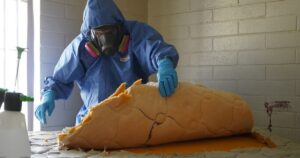
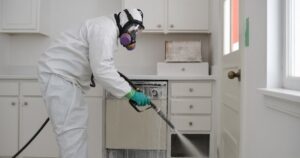
- Don’t attempt to clean it yourself – Meth residue requires professional decontamination
- Hire certified cleaners – Choose a team familiar with NZ decontamination regulations
- Get post-cleaning clearance – Ensure your home is safe for occupancy before returning
Conclusion: Protect Your Family from a Meth-Contaminated Home
If you’re based in Wellington, Palmerston North, Gisborne, Whanganui, or Hastings, and suspect meth contamination, act fast. The sooner you identify the signs and take action, the better. Ignoring the problem could lead to health issues and property devaluation. Get professional testing, ensure proper cleanup, and keep your home safe.
Frequently Asked Questions (FAQs)
Chemical odours, discoloured walls, rusting fixtures, and health symptoms in residents are strong indicators of meth-contaminated properties in these areas.
No. Under the Residential Tenancies Act, properties must be safe and habitable. Renting out a meth-contaminated home can lead to legal action.
Stop using the affected space and contact certified meth testing professionals immediately. Don’t try to clean it yourself.
Basic screening can start at around $200–$400. Full lab testing may cost more depending on the home size.
Yes, especially in urban areas with high rental turnover. Regular testing between tenancies is recommended.