A positive meth test can be worrying for any New Zealand property owner, especially if you are unsure what to do next. The good news is that a positive result does not automatically mean the entire property needs to be stripped out or rebuilt.
The right next step depends on the type of property, the test method used, the contamination level, the affected areas and whether the property is a rental. For rental properties, New Zealand’s 2026 regulations provide specific requirements for testing, decontamination and managing contaminated areas.
If you have received a positive meth test, the most important thing is to avoid rushing into cleaning or disposal. First understand the result, then arrange the appropriate professional assessment and remediation process.
What Does a Positive Meth Test Mean?
A positive meth test means testing has detected methamphetamine residue at the property.
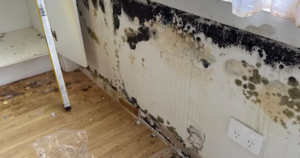
Methamphetamine residue can be left behind after meth has been used or manufactured inside a building. The residue may settle on walls, ceilings, floors, carpets, furniture, curtains, ventilation systems and other surfaces.
A positive result does not necessarily mean every part of the property is contaminated.
The level of contamination and where it was detected are important. For rental properties, the current 2026 framework treats areas above 15 µg/100 cm² as contaminated, while an area above 30 µg/100 cm² can make a property uninhabitable under the regulations, subject to the circumstances set out in the law.
This is why you should not make decisions based only on the words “positive” or “failed”.
Positive Meth Test: 7 Essential Steps Property Owners Must Take
Getting a positive meth test can feel overwhelming, but breaking the process into clear steps makes it easier to manage.
1. Do Not Panic After a Positive Meth Test
The first step after a positive meth test is to stay calm and review the actual test report.
A positive result does not automatically mean the whole house is unsafe or that everything inside needs to be removed.
Check:
- Where were samples taken?
- Which areas returned positive results?
- What were the measured levels?
- What testing method was used?
- Was this a screening assessment or detailed testing?
- Does the property have tenants?
- Is there previous contamination or testing history?
The answers will help determine what should happen next.
For more information about why testing matters, see our guide on how meth contamination testing protects your home, family and investment.
2. Check Whether Further Testing Is Required
A positive meth test may need further investigation before you decide how the property should be treated.
New Zealand’s current rental-property rules distinguish between screening assessments and detailed testing. A valid screening assessment can identify whether more detailed testing is needed. Where the relevant requirements are triggered, landlords must arrange detailed testing through a qualified professional.
Detailed testing helps establish:
- The level of meth residue
- The affected areas
- The extent of contamination
- Whether decontamination is required
- Whether further testing is needed after cleaning
This is important because a single positive screening result should not be treated as a complete remediation plan.
Why the Test Method Matters
Not every test method is treated the same way under the current regulations.
Tenancy Services states that approved testing methods include individual sampling, laboratory composite testing and validated screening test kits used in accordance with the applicable requirements. Unvalidated testing kits and certain field composite testing methods are not approved for the relevant regulatory purposes.
If you are unsure whether your positive meth test was completed using an appropriate method, ask a qualified professional to review the report.
3. Understand the 15 µg and 30 µg Levels
One of the most important things to understand after a positive meth test is the actual contamination level.
For rental properties under the 2026 regulations:
Above 15 µg/100 cm²: The affected area is considered contaminated and must be decontaminated until the residue is at or below 15 µg/100 cm².
Above 30 µg/100 cm²: The affected area can be considered uninhabitable under the regulations, subject to the circumstances specified in the legislation.
These levels should not be confused with a simple “positive” or “negative” result.
The actual number and location matter.
Positive Meth Test Results Can Vary Between Rooms
Contamination is assessed on an area-by-area basis for rental properties.
For example, one bedroom could test above the applicable contamination threshold while another room does not.
This means you should not automatically assume that every room requires the same treatment.
The appropriate remediation plan should be based on the detailed test results and the applicable requirements.
4. Do Not Start Random DIY Cleaning
After receiving a positive meth test, many property owners immediately start scrubbing walls, washing carpets or throwing away furniture.
That can create problems.
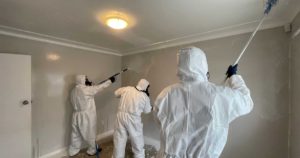
Meth decontamination is different from normal house cleaning. The appropriate process depends on the contamination level, affected materials and the requirements that apply to the property.
Tenancy Services states that testing and decontamination for rental properties must follow NZS 8510:2017, with the modifications specified by the 2026 regulations.
Before starting major cleaning work, understand:
- Which areas are affected
- Which materials are contaminated
- Which items can potentially be cleaned
- Which items may need removal
- What cleaning process is appropriate
- What testing is required afterwards
For a broader explanation, read our guide to meth decontamination in New Zealand.
5. Create a Proper Meth Decontamination Plan
Once the positive meth test has been properly assessed, the next step is to create a remediation plan.
A professional assessment can help identify:
Affected Areas
The test report should show which parts of the property require attention.
Affected Materials
Different materials respond differently to cleaning. Hard surfaces, carpets, curtains, furniture and other porous materials may require different approaches.
Cleaning Requirements
The remediation plan should identify the appropriate cleaning process for the affected areas.
Items That Cannot Be Properly Cleaned
Some materials may not be suitable for successful decontamination and may need to be removed.
For rental properties, Tenancy Services provides specific guidance for carpets, curtains and other soft furnishings supplied by the landlord. Where these items can be decontaminated and retained, the regulations require appropriate HEPA-filter vacuuming and steam cleaning. Items that cannot be adequately cleaned may need to be removed and replaced.
You can also read about professional meth house decontamination services to understand the remediation process.
6. Complete Post-Decontamination Testing
Cleaning is not the final step after a positive meth test.
After decontamination, the property needs to be checked again.
For rental properties, Tenancy Services states that post-decontamination detailed testing must be completed by a qualified professional. The person carrying out the post-remediation testing must not be the same person who carried out the decontamination work.
The purpose of this testing is to confirm whether meth residue remains above the applicable maximum acceptable level.
If results are still above 15 µg/100 cm², additional decontamination and detailed testing are required for rental properties.
This gives property owners a clear process:
Positive test → detailed assessment → decontamination → post-decontamination testing → further work if required
Do not assume the property is ready simply because it looks clean.
What Happens After a Positive Meth Test in a Rental Property?
If your property is rented, there are additional responsibilities to consider.
New Zealand’s Residential Tenancies (Managing Methamphetamine Contamination) Regulations 2026 came into force on 16 April 2026. These regulations establish requirements around testing, contamination levels and decontamination for rental properties.
Landlords must not knowingly rent out a property that is contaminated.
If a rental property is found to be contaminated, the landlord must manage the affected areas according to the applicable requirements before renting the property out again.
Existing Tenants and Positive Meth Test Results
If there are existing tenants, landlords also need to follow the applicable notice and information requirements.
Tenancy Services states that where a landlord carries out relevant testing during a tenancy, the landlord must provide the test results to existing tenants within seven days of receiving them.
Because tenancy situations can become complicated, property owners should consider getting independent legal advice where there is a dispute about responsibility, costs, access or ending a tenancy.
What If the Positive Meth Test Shows More Than 30 µg?
A result above 30 µg/100 cm² requires particular attention in a rental property.
Under the 2026 regulations, a property is uninhabitable where any part has meth residue above 30 µg/100 cm², subject to the circumstances specified in the legislation.
There are specific rules around tenancy termination where these levels are present.
The situation can also depend on whether the affected area is considered a “remote and inconsequential” part of the property.
Because tenancy termination is a legal issue, landlords and tenants should refer to the current Tenancy Services guidance and consider independent legal advice where necessary.
Positive Meth Test and Property Insurance
A positive meth test can also raise questions about insurance.
If your property has been confirmed as contaminated, contact your insurer and check your policy before starting major remediation work.
Your insurer may want:
- The original testing report
- Photographs
- Information about the suspected cause
- Previous testing records
- Remediation quotes
- Details of the contractor
- Decontamination documentation
- Post-remediation testing results
Do not assume that your insurance policy will cover every cost associated with meth contamination.
Your insurer can explain the specific terms and conditions of your policy.
Positive Meth Test and Selling Your Property
If you are planning to sell a property following a positive meth test, keep all documentation.
This can include:
- Original test reports
- Detailed testing reports
- Laboratory results
- Remediation plans
- Cleaning records
- Invoices
- Photographs
- Post-remediation testing
- Any relevant insurance correspondence
Disclosure can also become important when selling a property.
The Real Estate Authority updated its methamphetamine disclosure guidance for licensed real estate professionals on 7 September 2026. The guidance addresses disclosure obligations and considerations around known or suspected methamphetamine contamination.
If you are selling a property with a contamination history, speak openly with your real estate professional about the testing and remediation records.
Read more about meth property disclosure in NZ through the Real Estate Authority.
Should You Keep the Positive Meth Test Report?
Yes, keep your records.
A positive meth test should not simply become a document that disappears after cleaning.
Keep copies of:
- Initial screening results
- Detailed test reports
- Laboratory results
- Decontamination records
- Contractor invoices
- Photos before and after remediation
- Post-remediation test results
- Insurance documents
- Relevant tenancy records
Good documentation can help demonstrate what was found, what work was completed and what the subsequent testing showed.
It may also become useful if you later refinance, sell, insure or manage the property.
Can You Live in a Property After a Positive Meth Test?
The answer depends on the contamination level, affected areas, property type and applicable requirements.
Do not make a decision based solely on the word “positive”.
For rental properties, the 2026 regulations set specific contamination and uninhabitable thresholds. Where a property is above the relevant levels, landlords need to follow the required process.
If you are unsure whether the property should remain occupied, get professional advice based on the actual test results.
Positive Meth Test: Common Mistakes Property Owners Should Avoid
A positive meth test can lead to rushed decisions. Avoid these common mistakes.
1. Assuming the Whole House Is Contaminated
A positive result in one location does not automatically mean every room is contaminated.
2. Treating Meth Cleaning Like Normal House Cleaning
Regular cleaning does not replace a proper meth remediation process.
3. Throwing Away Everything
Not every contaminated item automatically needs to be discarded. The appropriate decision depends on the item, material, contamination and whether it can be effectively decontaminated.
4. Ignoring the Test Report
The actual numbers and sample locations matter.
5. Skipping Post-Remediation Testing
Cleaning should be followed by appropriate testing where required.
6. Renting the Property Too Soon
Landlords must not knowingly rent contaminated rental properties.
7. Losing Your Documentation
Keep the complete testing and remediation history for future reference.
Positive Meth Test: Property Owner Checklist
If you receive a positive meth test, use this simple checklist.
Immediately After Testing
- Review the complete report.
- Confirm the test method.
- Identify affected areas.
- Check the measured contamination levels.
- Determine whether further detailed testing is required.
If Contamination Is Confirmed
- Avoid unnecessary DIY cleaning.
- Arrange a suitable remediation assessment.
- Identify affected materials.
- Develop a decontamination plan.
- Keep detailed records.
During Decontamination
- Follow the applicable NZ requirements.
- Use appropriate safety procedures.
- Manage carpets and soft furnishings correctly.
- Record the work completed.
After Decontamination
- Arrange post-remediation detailed testing where required.
- Review the results.
- Complete additional remediation if necessary.
- Keep the final reports with your property records.
Why Professional Help Matters After a Positive Meth Test
A positive meth test is not something most property owners deal with regularly.
Professional testing and remediation can help you understand the contamination level, identify affected areas and follow an appropriate process.
Kiwi Meth Xpert provides meth contamination testing and decontamination services for New Zealand properties.
Our related guide explains what happens after meth contamination is found and why a positive result does not automatically mean the entire property needs to be stripped out.
For professional property decontamination, you can also learn more about Kiwi Meth Xpert’s meth house decontamination service.
Positive Meth Test: What Should You Do Next?
If you have received a positive meth test, do not ignore the result and do not rush into expensive cleaning without understanding the report.
The sensible process is to:
Review the test → confirm the contamination level → identify affected areas → arrange detailed assessment if required → decontaminate where necessary → complete post-remediation testing → keep your records.
For rental properties, make sure you follow the current 2026 requirements from Tenancy Services. The regulations introduced specific contamination and testing requirements, including the 15 µg/100 cm² maximum acceptable level for rental properties and the 30 µg/100 cm² uninhabitable threshold, subject to the legal circumstances.
If you are selling, also discuss any known or suspected contamination with your real estate professional and keep your testing and remediation records. REA’s updated 2026 guidance provides information for licensed real estate professionals dealing with methamphetamine disclosure.
Need Help After a Positive Meth Test?
A positive meth test does not have to leave you guessing about what happens next.
Kiwi Meth Xpert can help property owners understand the testing and decontamination process and arrange professional services where required.
For professional advice about your property, contact Kiwi Meth Xpert to discuss your situation.
Phone: 020 4444 044
Email: info@kiwimethxpert.co.nz