Kiwi Meth Xpert

OUR BLOGS

The Complete Guide to Meth Car Decontamination: What Every Vehicle Owner Should Know

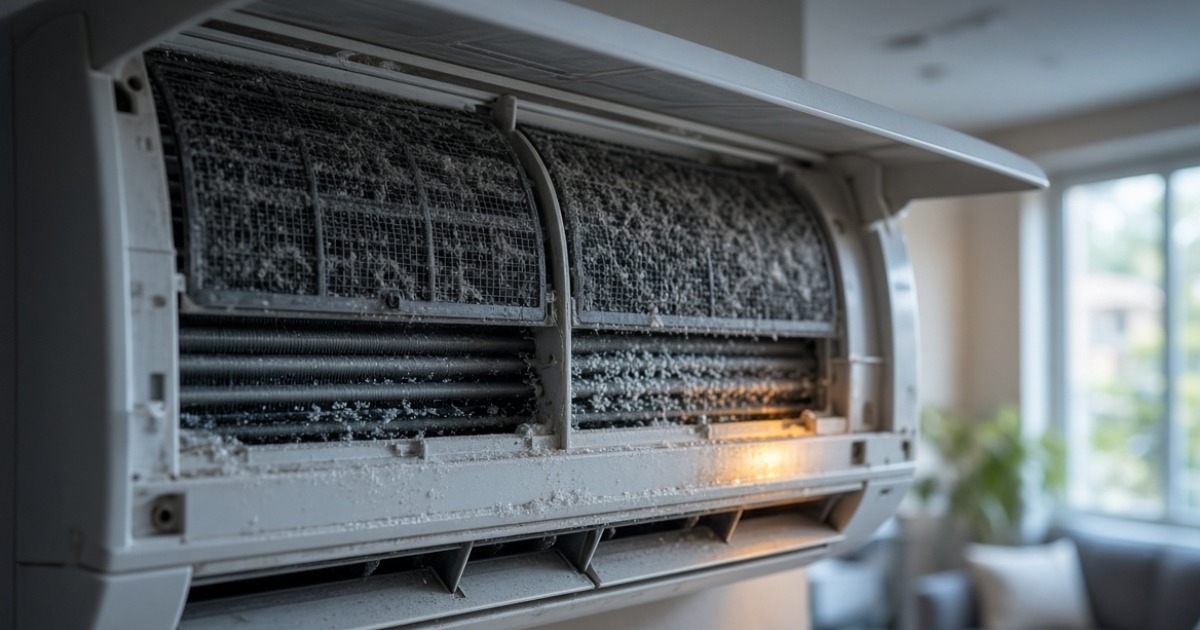
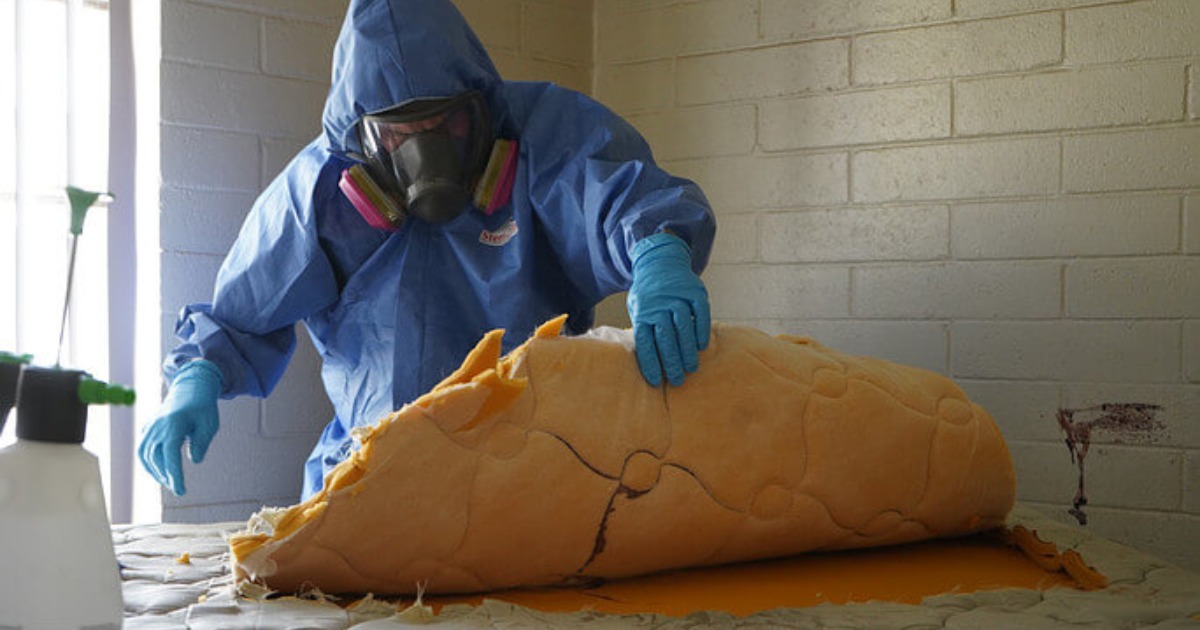
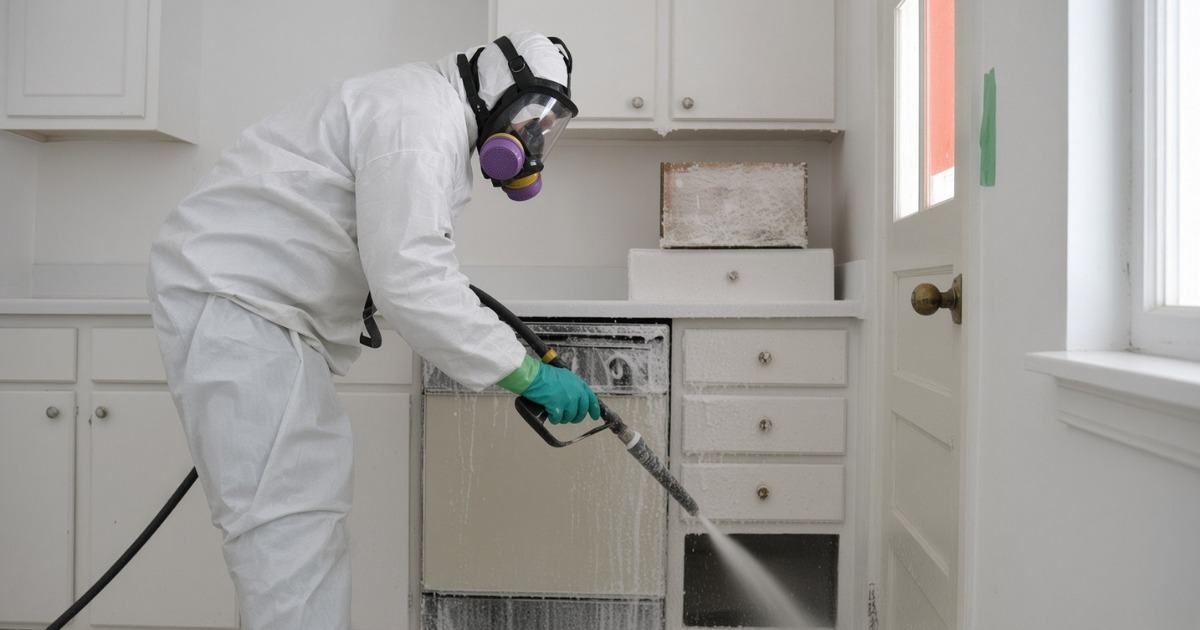
Most people associate meth contamination with homes and commercial properties, but vehicles can also become contaminated by methamphetamine use, storage, transportation, or manufacturing-related activities. Unfortunately, many vehicle owners are unaware that meth residue can remain inside a car long after the source of contamination has been removed. Whether you are purchasing a used vehicle, managing a fleet, leasing vehicles, or simply concerned about the history of your car, understanding meth car contamination is essential. Professional meth car decontamination services help restore vehicles to a safe, clean, and healthy condition while protecting drivers, passengers, and future owners. In this comprehensive guide, we’ll explore everything vehicle owners need to know about meth contamination, testing, cleaning, and professional decontamination services. What Is Meth Car Contamination? Methamphetamine contamination occurs when meth residues are deposited on surfaces inside a vehicle. This can happen through: Unlike visible dirt or stains, meth contamination is often invisible. Residues can settle on seats, carpets, dashboards, headliners, air-conditioning systems, door panels, and other interior surfaces. Without proper testing and cleaning, these residues may remain for extended periods. Professional meth car decontamination services are specifically designed to identify and remove these contaminants. Why Vehicle Meth Contamination Matters Many people underestimate the importance of vehicle decontamination. However, contaminated vehicles can present several challenges. Health and Safety Concerns Meth residues may accumulate on frequently touched surfaces throughout the vehicle. Professional cleaning helps reduce potential exposure risks and creates a cleaner environment for drivers and passengers. Kiwi Meth Xpert notes that meth contamination in vehicles may pose concerns for vulnerable individuals and pets, making remediation an important consideration. Reduced Vehicle Value A vehicle suspected of meth contamination may be less attractive to buyers. Disclosure concerns and remediation costs can negatively impact resale value. Leasing and Fleet Risks Businesses operating leased vehicles, company cars, taxis, rideshare vehicles, and transport fleets may wish to ensure vehicles remain free from contamination issues to protect employees and customers. Peace of Mind Professional assessment and cleaning provide confidence that your vehicle has been restored to a safe and usable condition. How Vehicles Become Contaminated Vehicle contamination can occur in various ways. Recreational Meth Use The most common source of contamination is repeated meth use inside a vehicle. Smoke and airborne particles can settle on interior surfaces and ventilation systems. Drug Transportation Vehicles used to transport methamphetamine or contaminated materials may develop contamination even when no drug use occurs inside the vehicle. Secondary Contamination Furniture, clothing, bags, or personal belongings exposed to meth contamination can introduce residues into an otherwise clean vehicle. Criminal Activity Vehicles involved in illegal drug operations often experience higher levels of contamination due to repeated exposure and handling of methamphetamine products. Common Signs of Meth Contamination in a Vehicle Meth contamination is not always obvious. However, some warning signs may indicate the need for professional testing. Persistent Chemical Odours Strong chemical, ammonia-like, or solvent-type smells that remain despite cleaning may warrant investigation. Sticky Interior Surfaces Residues can sometimes leave surfaces feeling sticky, greasy, or unusually dirty. Stained Upholstery Discolouration on seats, carpets, or headliners may indicate contamination or previous drug-related activity. Unexplained Vehicle History Vehicles purchased through auctions, repossessions, private sales, or fleet disposals may have unknown histories that justify testing. Occupant Concerns Passengers or drivers experiencing unusual reactions while inside the vehicle may choose to investigate environmental causes. While these signs do not confirm meth contamination, they may indicate the need for professional assessment. Why Standard Car Cleaning Is Not Enough Many vehicle owners assume that shampooing carpets or wiping surfaces will remove contamination. Unfortunately, meth residues can penetrate porous materials and settle in hard-to-reach areas. Standard detailing typically focuses on appearance rather than contamination removal. Potentially affected areas include: Professional decontamination follows specialised procedures designed specifically for meth residue removal rather than cosmetic cleaning alone. Kiwi Meth Xpert utilises industry-approved cleaning methods and equipment to clean all interior vehicle surfaces thoroughly. The Importance of Professional Meth Testing Testing is often the first step in determining whether contamination exists. Professional testing helps: Kiwi Meth Xpert also offers instant meth testing solutions that can assist in identifying contamination concerns before remediation begins. Their testing products have been independently assessed to support reliable screening results. The Meth Car Decontamination Process Professional meth car decontamination follows a structured process designed to remove contamination efficiently and safely. Step 1: Initial Assessment The vehicle undergoes a detailed inspection to identify contamination concerns and determine the extent of remediation required. Step 2: Testing and Sampling Surface testing may be conducted to identify contamination levels and affected areas. Step 3: Preparation Contaminated areas are identified, and the vehicle is prepared for cleaning. Step 4: Deep Cleaning Specialised cleaning agents and equipment are used to clean: Kiwi Meth Xpert’s vehicle cleaning service includes comprehensive cleaning of upholstery, carpets, ventilation systems, and interior surfaces using advanced cleaning techniques. Step 5: Ventilation System Cleaning Air-conditioning and ventilation systems often require additional attention because residues can accumulate within ductwork and filters. Step 6: Verification Post-cleaning assessments may be performed to verify the effectiveness of the remediation process. Why Professional Decontamination Is Worth the Investment Professional services provide benefits that extend beyond simple cleaning. Expertise Specialists understand contamination pathways and effective remediation methods. Industry Standards Professional providers follow established procedures and recognised decontamination practices. Advanced Equipment Specialised tools and products are often required to access hidden contamination. Documentation Testing and remediation records can be useful for future buyers, insurers, fleet operators, and leasing companies. Better Outcomes A professional approach helps ensure contamination is addressed thoroughly rather than superficially. Buying a Used Vehicle? Consider Meth Testing Used vehicle buyers often focus on mechanical inspections, accident history, and service records. However, environmental contamination is another factor worth considering. Testing may be valuable when: A relatively small investment in testing can provide confidence before completing a purchase. Fleet and Commercial Vehicle Considerations Businesses operating vehicles have additional responsibilities. Industries that may benefit from routine testing include: Maintaining contamination-free vehicles helps protect staff, customers, and business reputation. Eco-Friendly Meth Decontamination

Read More »